
 EN
EN
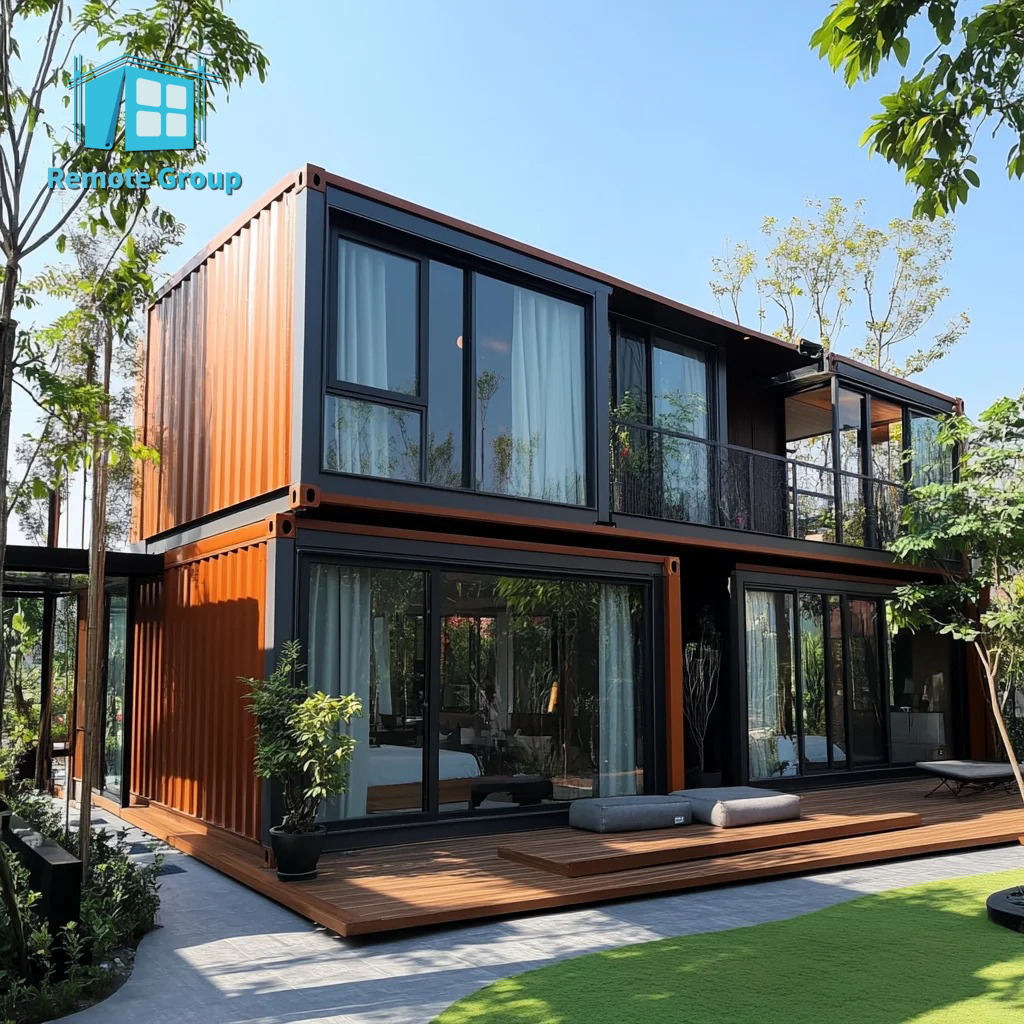
Structural Integrity of Container Houses in High Winds and Hurricanes
Inherent Steel Strength vs. Real-World Wind and Debris Exposure
A container house derives its primary strength from the corten steel used in shipping containers—a material engineered to endure ocean transport. This rigid steel frame resists significant lateral forces, and engineering analyses indicate that a well-maintained container can withstand wind speeds up to 180 mph, matching the upper threshold of a Category 5 hurricane on the Saffir-Simpson scale. Its low center of gravity and rectangular geometry further enhance stability, reducing overturning risk during severe gusts.
However, real-world performance depends on more than material alone. Flying debris—common in hurricanes—can compromise external surfaces if the steel is undersized or compromised by pre-existing corrosion. While the inherent steel strength provides a robust baseline, occupants in extreme weather zones must verify both the structural condition of the container and the integrity of any added cladding against anticipated debris impact.
How Modifications—Windows, Doors, and Cutting—Impact Storm Resilience
Modifying a container for habitation inevitably involves cutting openings for windows, doors, and utilities—each of which removes load-bearing steel from the sidewalls and reduces the structure’s ability to transfer wind loads to the foundation. Without proper reinforcement—such as steel headers, box columns, or moment frames around openings—the building’s shear resistance declines significantly. For example, an unreinforced door opening can become a failure point under high winds, allowing pressure infiltration that stresses the roof and walls.
Impact-resistant windows and doors—including laminated safety glass and hurricane-rated frames—are essential in storm-prone areas to preserve the building envelope. Likewise, anchoring the container to a concrete foundation using bolt-down brackets or earth penetrators counters uplift forces exacerbated by large openings. Every modification must be engineered to restore original structural capacity—ensuring the home performs as intended during extreme wind events.
Anchoring, Foundations, and Code Compliance for Extreme Weather Safety
Foundation Types That Resist Uplift, Frost Heave, and Settling
The foundation anchors a container house to the earth, countering wind uplift and soil instability. Common systems include concrete slabs, driven piles, and helical piers—each selected and engineered for site-specific hazards:
- Deep pile foundations extend below frost lines to prevent heave in cold climates
- Grade beams with reinforced footings distribute loads across unstable soils to resist settling
- Wider base configurations improve stability in high-wind zones by lowering the center of gravity
Local building codes dictate minimum depth, reinforcement, and load-bearing requirements based on seismic, flood, snow, and wind exposure. A geotechnical analysis is critical to ensure the foundation withstands site-specific risks—from clay expansion and sandy soil liquefaction to permafrost thaw.
Certified Anchoring Systems Aligned with ICC-ES AC432 and FEMA P-84
Container houses require engineered tie-down systems to resist extreme weather forces. ICC-ES AC432 certified anchors undergo rigorous testing for wind and seismic resilience, while FEMA P-84 guidelines specify connection details that maintain structural integrity during floods or hurricanes. Key features include:
- Welded shear plates, which transfer lateral forces from container to foundation
- Through-bolted corner castings, rated for cyclic loading during earthquakes
- Corrosion-resistant materials, ensuring longevity in coastal environments
Compliance with these standards reduces catastrophic failure risk by 72%, according to post-storm forensic analysis. Non-compliant anchoring increases repair costs by $740k on average (Ponemon Institute, 2023), making third-party certification vital—not only for occupant safety but also for insurability.
Container House Performance Under Snow Loads and Subzero Conditions
Roof Design, Insulation Integration, and Load Distribution in Heavy Snow
Container houses demonstrate strong resilience in snowy environments when engineered correctly. Reinforced roof structures—often incorporating additional steel beams or trusses—prevent sagging under heavy snow accumulation. Sloped roof designs actively shed snow, reducing dead load stress on the structure. Multi-layered insulation systems—integrating vapor barriers and high-R-value materials like closed-cell spray foam or rigid mineral wool panels—maintain interior habitability at exterior temperatures as low as –50°C (–58°F), while preventing condensation and thermal bridging.
| Structural Feature | Design Approach | Performance Benefit |
|---|---|---|
| Roof Reinforcement | Added steel beams, trusses | Prevents roof sagging under snow weight |
| Thermal Insulation | Multi-layered systems with vapor barriers | Maintains habitable temps at –50°C (–58°F) exterior |
| Load Distribution | Sloped designs, strategic support placement | Reduces point loads, promotes snow shedding |
This integrated approach—robust framing, continuous insulation, and intelligent load management—ensures structural integrity, occupant safety, and thermal comfort under demanding winter conditions.
Real-World Evidence: Verified Extreme Weather Performance of Container Houses
Post-Hurricane Michael (2018) Assessment of Florida Container House Survivability
In the aftermath of Hurricane Michael (2018)—a Category 5 storm with sustained winds exceeding 150 mph that devastated the Florida Panhandle—several container houses remained structurally intact. These units featured reinforced corner connections and robust anchoring systems aligned with ICC-ES AC432 and FEMA P-84 standards. No roof detachment or wall failure occurred among the assessed structures. Their performance validates engineering models showing that properly secured, code-compliant container houses can withstand extreme hurricane forces without compromising occupant safety.
FAQ Section
Can container houses withstand hurricanes?
Yes, container houses engineered with reinforced structures and compliant anchoring systems can endure high winds of up to 180 mph, equivalent to a Category 5 hurricane.
How do modifications impact storm resistance?
Cutting openings for windows and doors weakens the structure, but proper reinforcement and impact-resistant materials can restore original strength.
What foundation types are best for container houses in extreme conditions?
Concrete slabs, deep pile foundations, and helical piers are commonly used to resist wind uplift, frost heave, and soil instability based on site-specific hazards.
Do container houses require special insulation for snowy climates?
Yes, multi-layered insulation, vapor barriers, and reinforced roofs ensure structural integrity and thermal comfort under heavy snow and subzero temperatures.