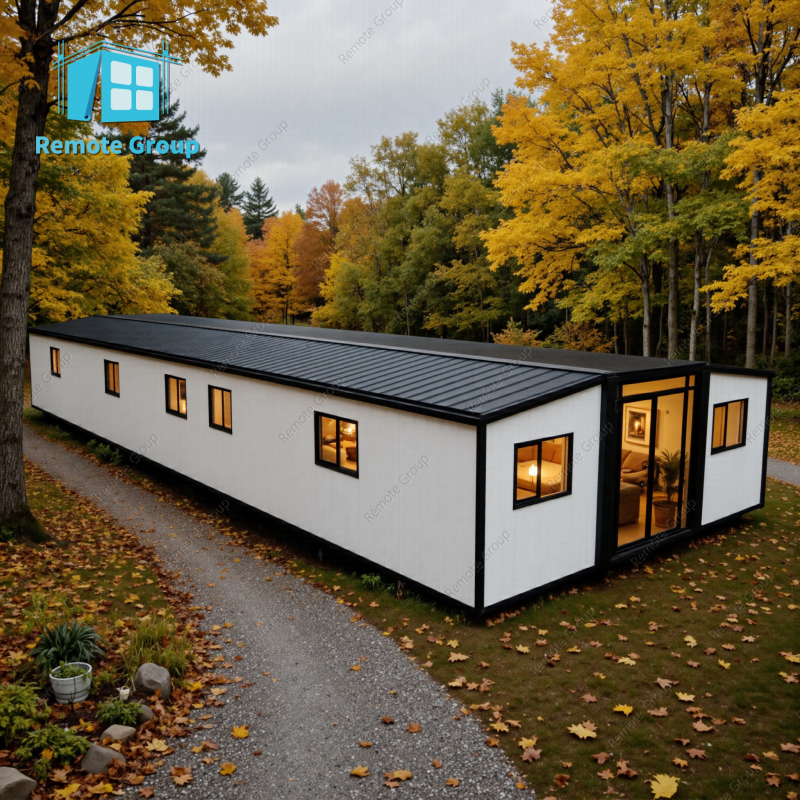
Creating a safe, efficient, and caring orphanage requires balancing economic efficiency with high-quality living conditions. Using container houses as the primary building unit offers a flexible, rapid, and sustainable solution. This project outlines how to utilize modular container structures to create a modern orphanage campus.
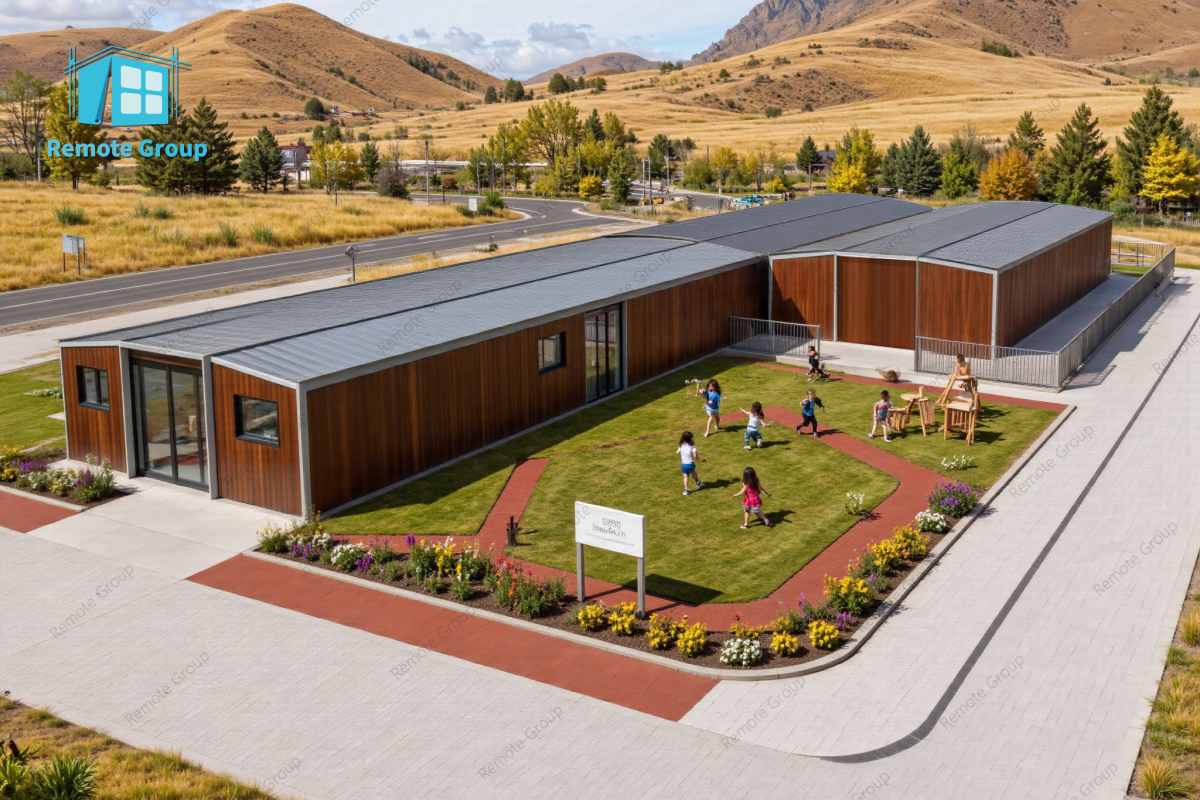
The design of a container-based orphanage prioritizes functionality, safety, and emotional well-being.
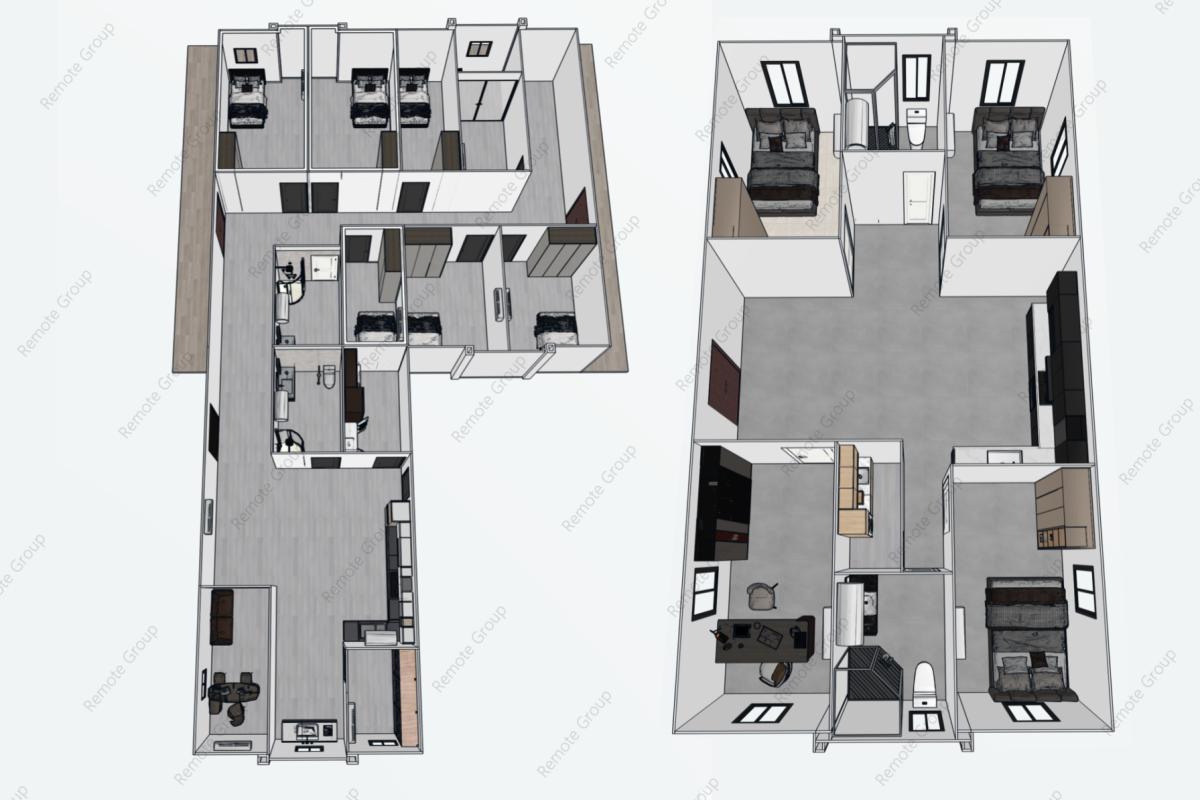
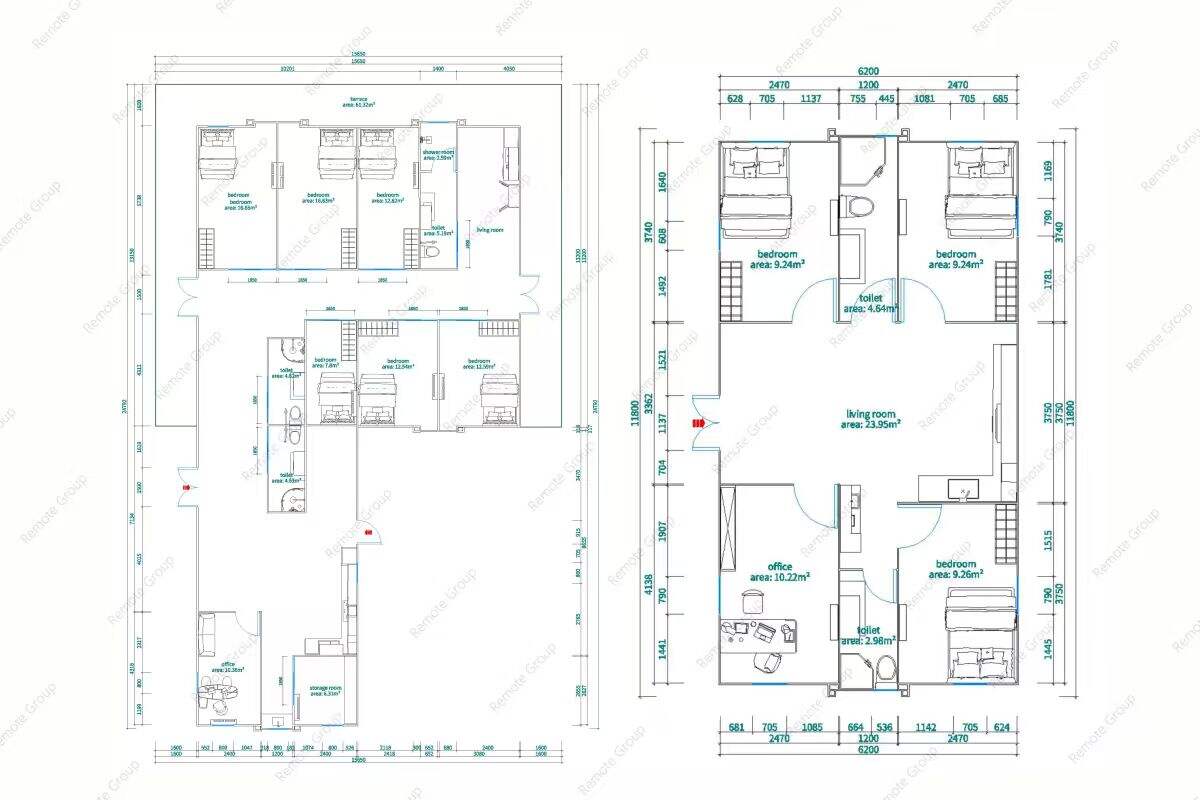
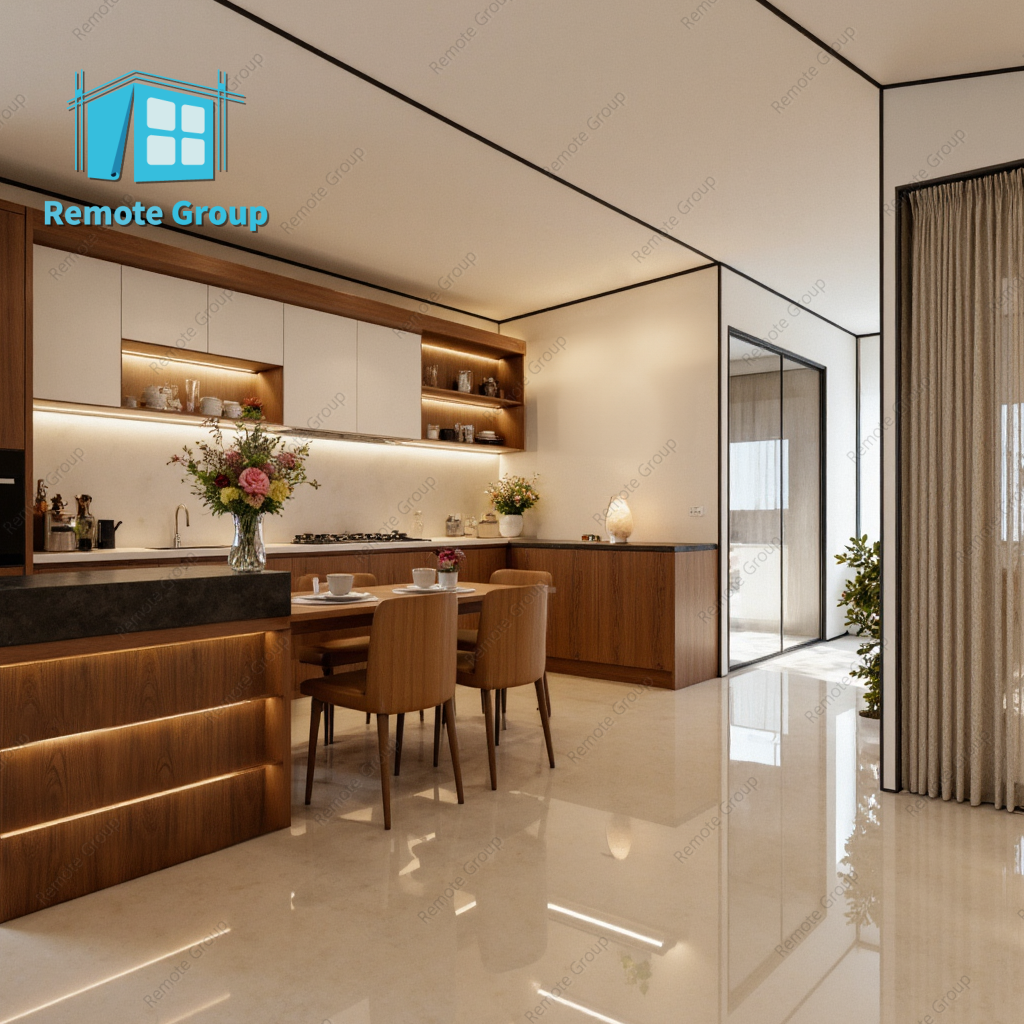
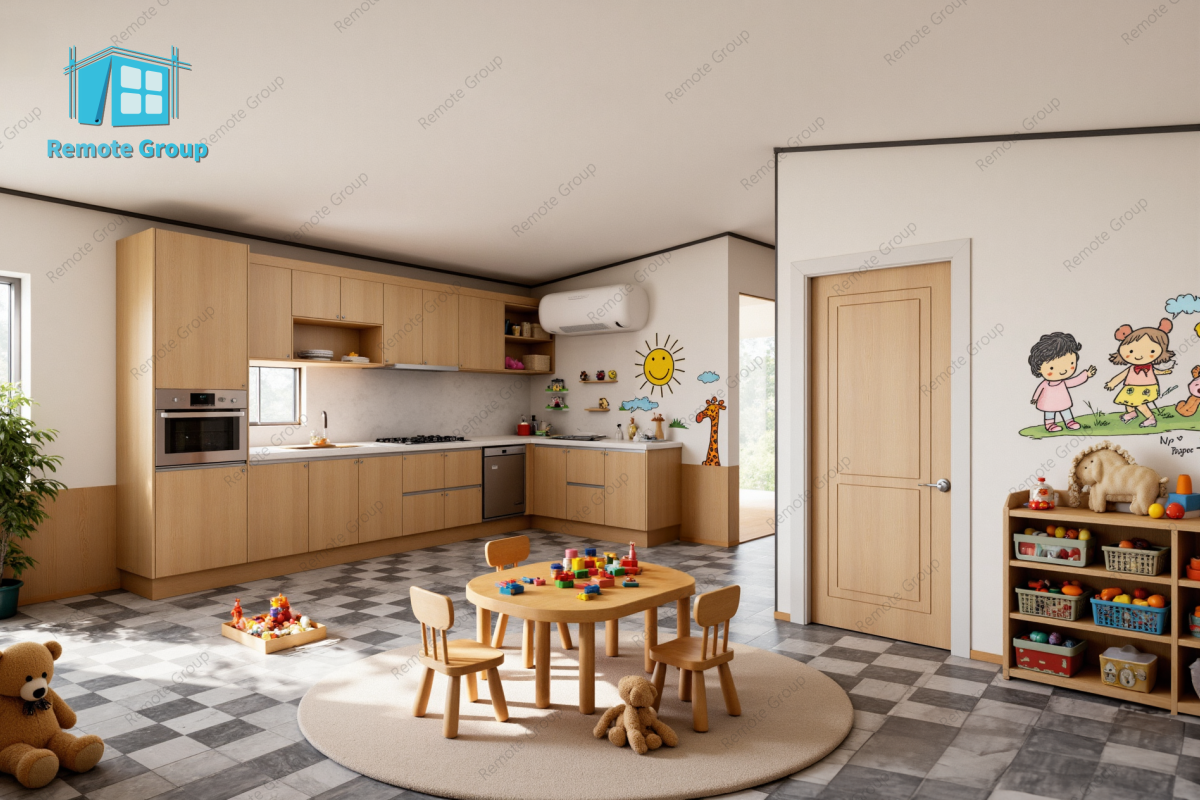
First, careful space planning ensures that each functional area—dormitories, classrooms, dining hall, medical room, and administrative offices—has the appropriate size and layout. Containers can be combined or expanded to create larger rooms, ensuring children have ample space to learn, play, and rest.
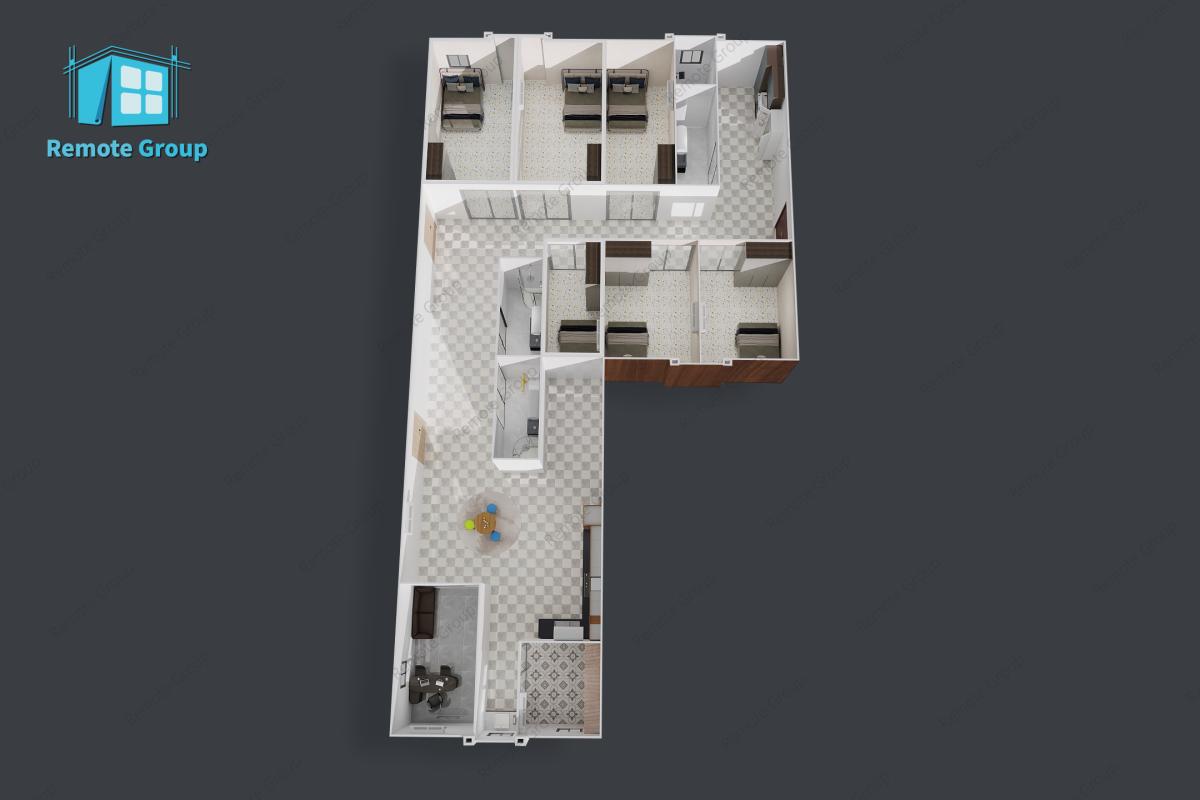
Second, ventilation, natural lighting, and temperature comfort are crucial. Properly placed windows, skylights, and energy-efficient insulation help maintain a comfortable indoor environment. To comply with building codes and childcare standards, the design incorporates safety features such as fire-resistant materials, reinforced structures, and safe emergency exits.
- Prefabricated container modules can be produced and assembled quickly.
-Construction Time Reduced by Up to 60% Compared to Traditional Buildings
-Ideal for Communities with Urgent Needs or Limited Resources
-Reduces Labor Costs, Material Waste, and Transportation Costs Compared to Concrete and Brick Structures
-Modular Design Supports Phased Construction and Allows for Gradual Expansion as the Orphanage Grows.
-Containers Can Withstand Harsh Weather and Environmental Conditions
-Steel Frames Provide Strong Structural Stability, Ensuring the Long-Term Safety of Children and Staff
-Reusing Shipping Containers Reduces Industrial Waste and Carbon Emissions-
-Easy to Integrate Solar Energy, Rainwater Harvesting Systems, and Energy-Saving Insulation Materials
-Contributes to Creating Green and Environmentally Friendly Orphanages
- Insufficient insulation can lead to overheating in summer and excessive cold in winter.
- Metal structures are susceptible to external temperature fluctuations.
- Steel walls can amplify external noise, affecting the quietness of the indoor environment.
- Local governments are unfamiliar with container architecture, resulting in lengthy approval processes and stringent standards.
- Compliance with building codes, fire regulations, and childcare facility standards is required.
- Some people perceive container architecture as "temporary" and "low-end."
- This may affect fundraising and stakeholder support.
- Use high-performance insulation materials (such as polyurethane and rock wool).
- Add shading systems, ventilated curtain walls, and green roofs to improve indoor temperature.
- Install sound-absorbing panels and sound insulation materials in dormitories and classrooms to reduce noise interference.
- Collaborate with the government, architects, and engineering teams from the early stages of the project.
- Provide detailed designs, safety certifications, and success stories to expedite approval and build trust.
- Showcase renderings, 3D models, and material samples to increase acceptance of container architecture.
- Share global success stories (schools, clinics, housing).
- Expand support by engaging donors and community members through workshops, site visits, and other means.
Ultimately, using container homes to build an orphanage offers a practical, sustainable, and impactful solution for communities seeking affordable and high-quality facilities. With thoughtful design and well-planned mitigation strategies, this project can deliver a safe, nurturing environment where children can grow, learn, and thrive.

 EN
EN