Kako potražnja za fleksibilnim, održivim stanovanjem nastavlja rasti, kontejnerske kuće su se pojavile kao praktično i inovativno rješenje. Od udaljenih radnih prostora do luksuznih kućnica za odmor, sve više pojedinaca i poduzeća postavlja ključno pitanje: Kako dizajnirati svoj vlastiti dom u kontejneru? Ovaj uvid u industriju istražuje bitne korake, trendove i razmatranja koja oblikuju budućnost kontejnerskog stanovanja.
1. za Određujte svoje svrhe i potrebe u pogledu načina života
Prvi korak u projektiranju kuće od kontejnera je utvrđivanje njene primarne upotrebe. Je li to stalni dom, odmaralište, mobilna kancelarija ili poslovna jedinica? Vaša svrha određuje raspored, veličinu i razinu prilagođavanja.
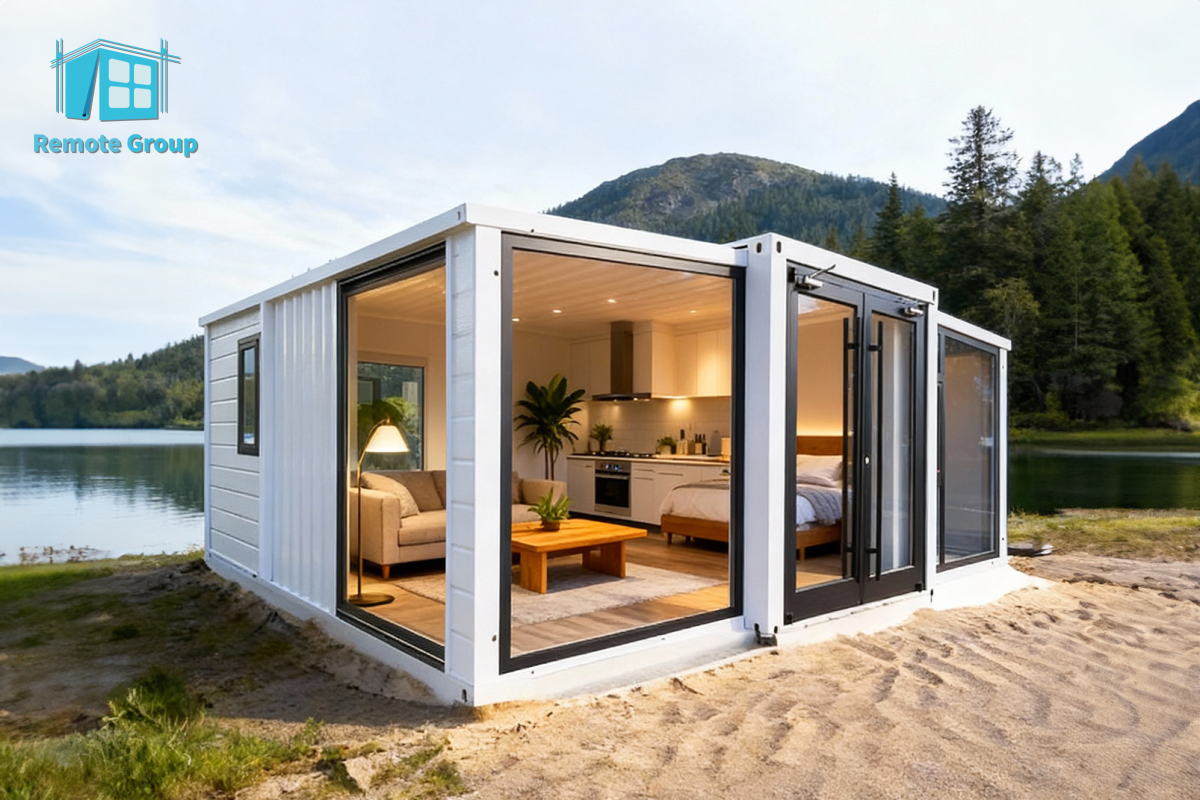
Primjerice, jedinica u stilu odmarališta može dati prednost panoramskim staklenim zidovima i vanjskim palubama, dok se radni prostor može usredotočiti na izolaciju, osvjetljenje i povezivanje.
2. - Što? Odaberite pravi tip spremnika
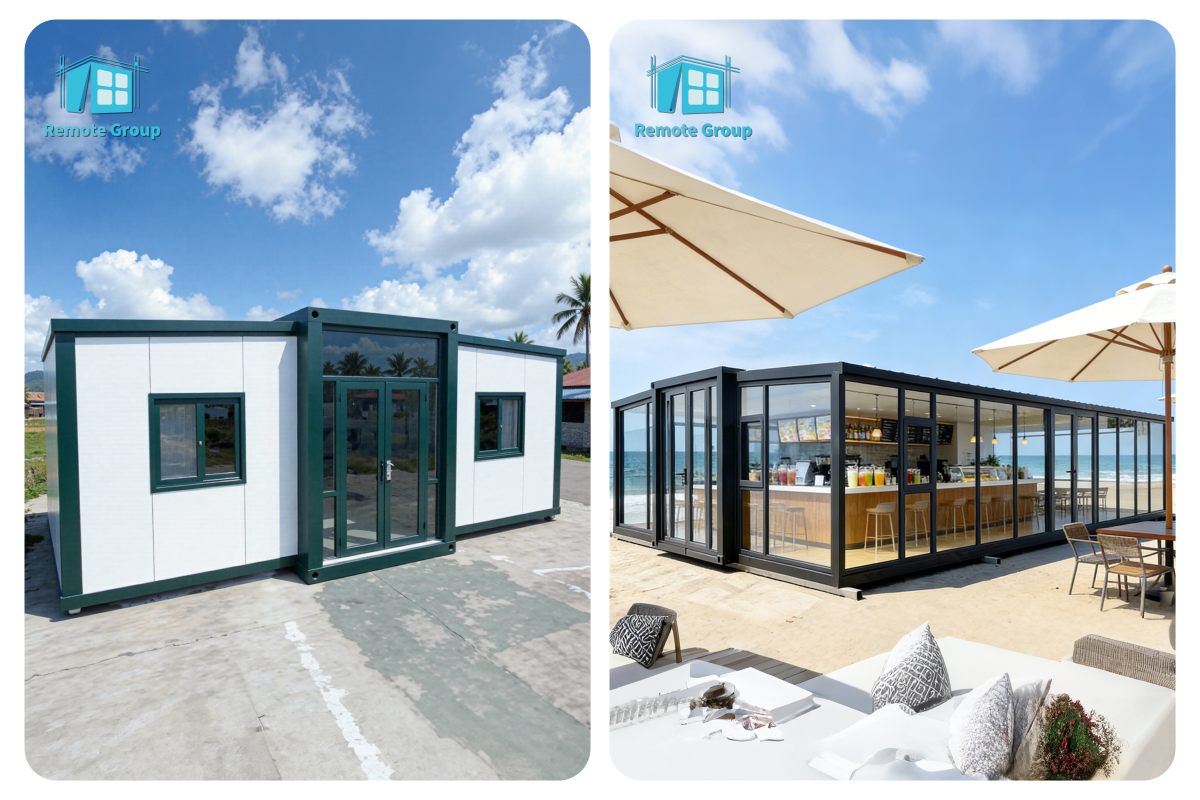
Standardni kontejneri za prijevoz obično dolaze u veličinama od 20 i 40 stopa, s opcijama kao što su kontejneri visoke kocke koji nude dodatnu visinu stropa. Složljivi i proširivi kontejnerski domovi također su sve popularniji zbog njihove jednostavnosti transporta i brze instalacije.
Proizvodi s proširivom površinom omogućuju korisnicima da maksimalno iskoriste unutarnji prostor bez povećanja troškova prijevoza, što ih čini idealnim za globalno korištenje.
3. Slijedi sljedeće: Planiranje funkcionalnog rasporeda
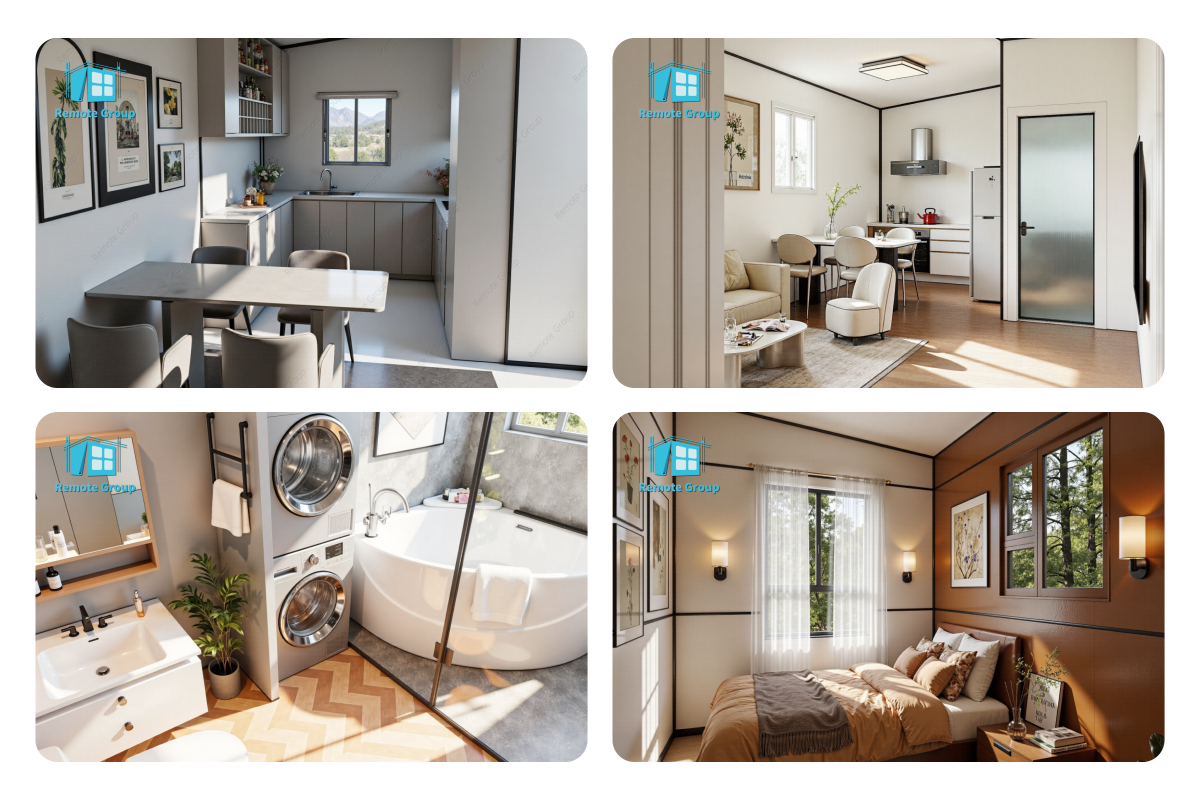
U skladu s člankom 3. stavkom 1. Otvoreni raspored, multifunkcionalni namještaj i pametna rješenja za skladištenje mogu značajno poboljšati upotrebljivost.
Glavni razmatranji rasporeda uključuju:
Spavaće i dnevne zone
Sastavljanje kuhinje i kupaonice
Prirodno osvjetljenje i ventilacija
Ulaz i izlaz
4. - Što? Osredotočenje na strukturalne promjene
Rezanje i jačanje čeličnih konstrukcija zahtijeva stručnu stručnost. Dodavanje prozora, vrata i povezivanje više kontejnera mora se pažljivo projektirati kako bi se održao strukturan integritet.
Moderne kontejnerske kuće često imaju modularne konstrukcije, što omogućuje kombiniranje više jedinica u veće stambene ili komercijalne prostore.
- Pet. Izolacija i kontrola klime
Budući da su spremnici napravljeni od čelika, potrebna je odgovarajuća izolacija kako bi se osigurala udobnost u različitim klimatskim uvjetima. Popularni izolacijski materijali uključuju pjenu, kamenu vunu i poliuretanske ploče.
Osim toga, integracija sustava HVAC-a, solarnih panela i pametnih energetskih rješenja može poboljšati energetsku učinkovitost i održivost.
6. - Što? Dizajn unutrašnjosti i vanjske stranice
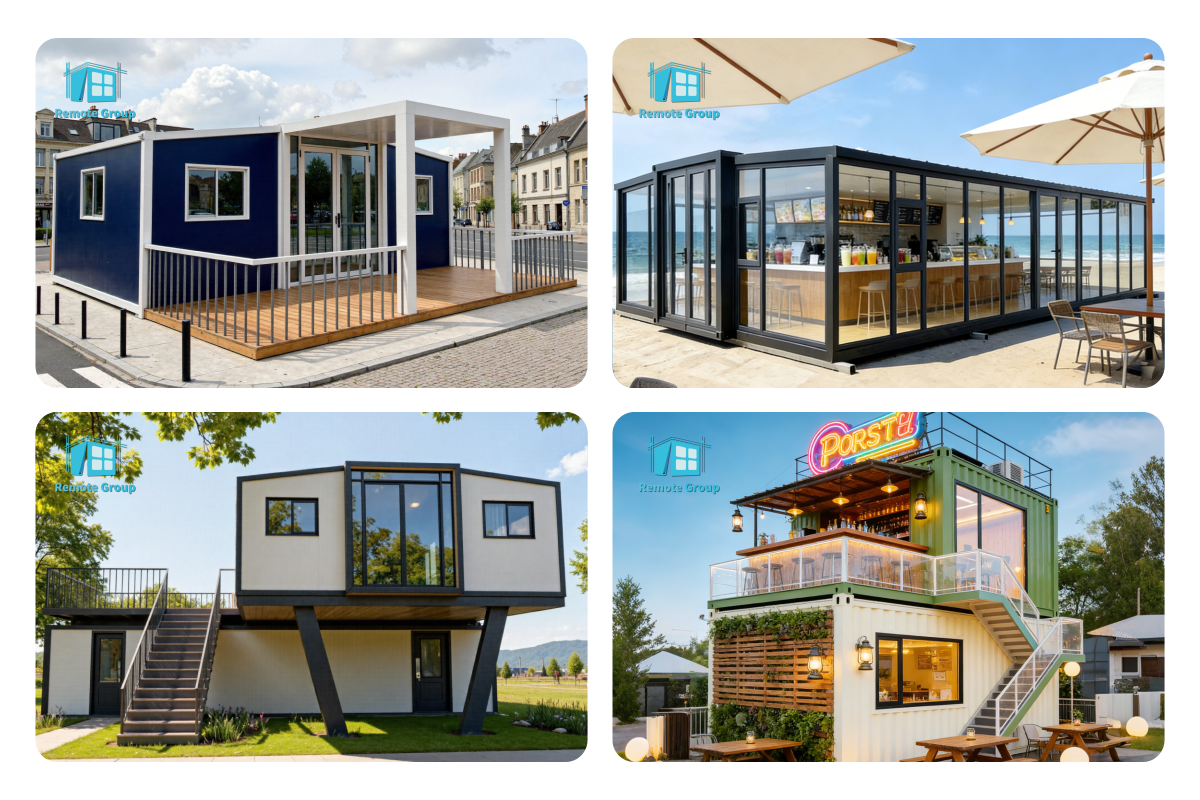
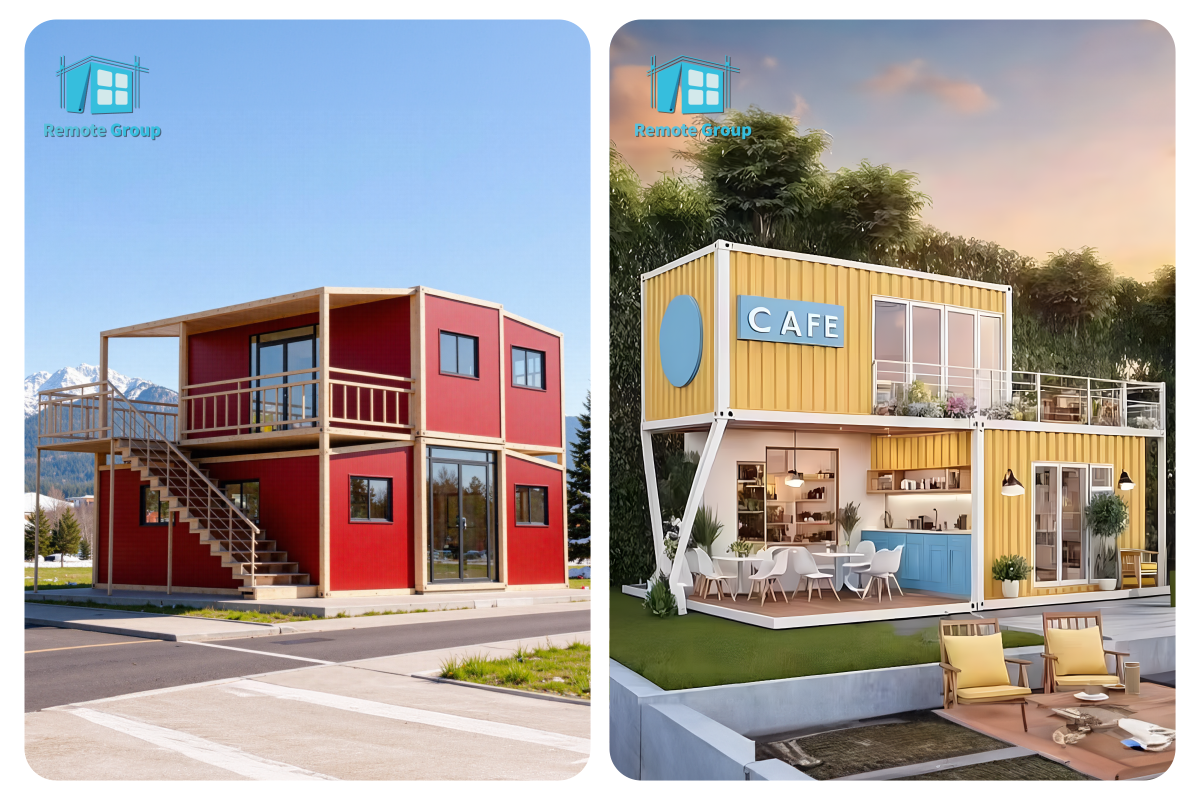
Kontejnerske kuće više nisu samo industrijske kutije, već su arhitektonske izjave. Dizajn enterijera može se kretati od minimalističkog modernog do luksuznih završetaka s vrhunskim materijalima.
Opcije prilagođavanja vanjske stranice uključuju:
S druge površine
Staklene zavjesne fasade
Krovne terase
S druge vrste
- Sedam. U skladu s člankom 3. stavkom 2.
Prije nego što se započne gradnja, važno je razumjeti lokalne građevinske propise, propise o zonizaciji i zahtjeve u pogledu prijevoza. Prefabrikirane kuće u kontejnerima imaju prednosti u tom području, jer se mogu proizvoditi izvan objekta i brzo ugraditi.
8. - Što? Trendovi u industriji i budući izgled
U skladu s člankom 21. stavkom 1. stavkom 2.
Zaključak
Dizajniranje vlastite kuće u kontejneru je ravnoteža između kreativnosti, inženjerstva i funkcionalnosti. Uz pravo planiranje i stručnu podršku, kontejnerske kuće mogu ponuditi ekonomično, održivo i vrlo prilagodljivo rješenje za život.
Kako globalna potražnja nastavlja rasti, kontejnerske kuće više nisu alternativa, već postaju glavni izbor za moderne životne i poslovne primjene.
Kontaktirajte nas
Ako imate pitanja o projektu, potrebe za prilagođavanjem ili mogućnosti partnerstva, molimo vas da nas kontaktirate:

 EN
EN