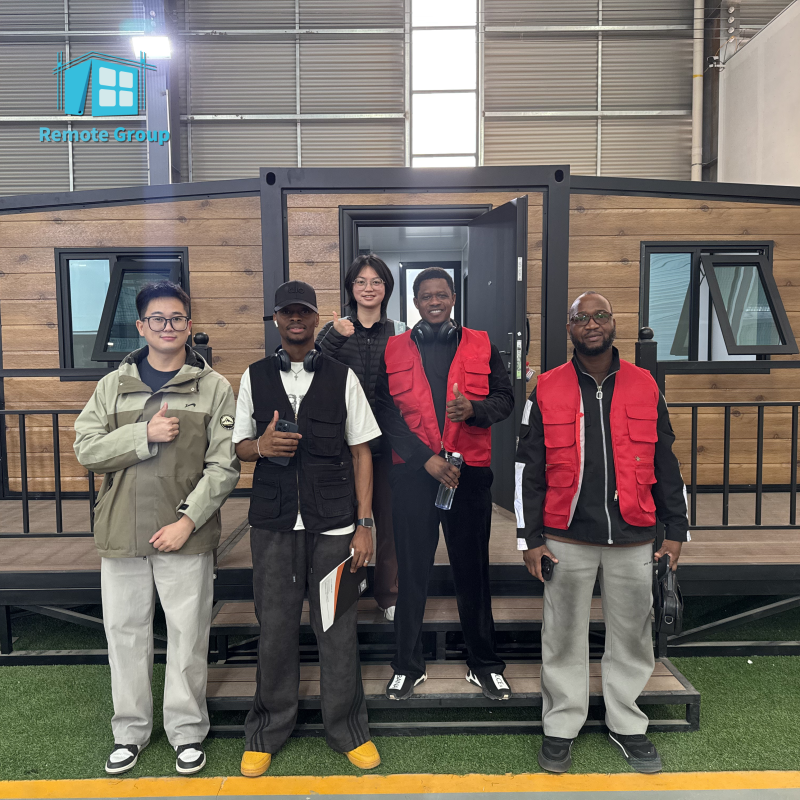
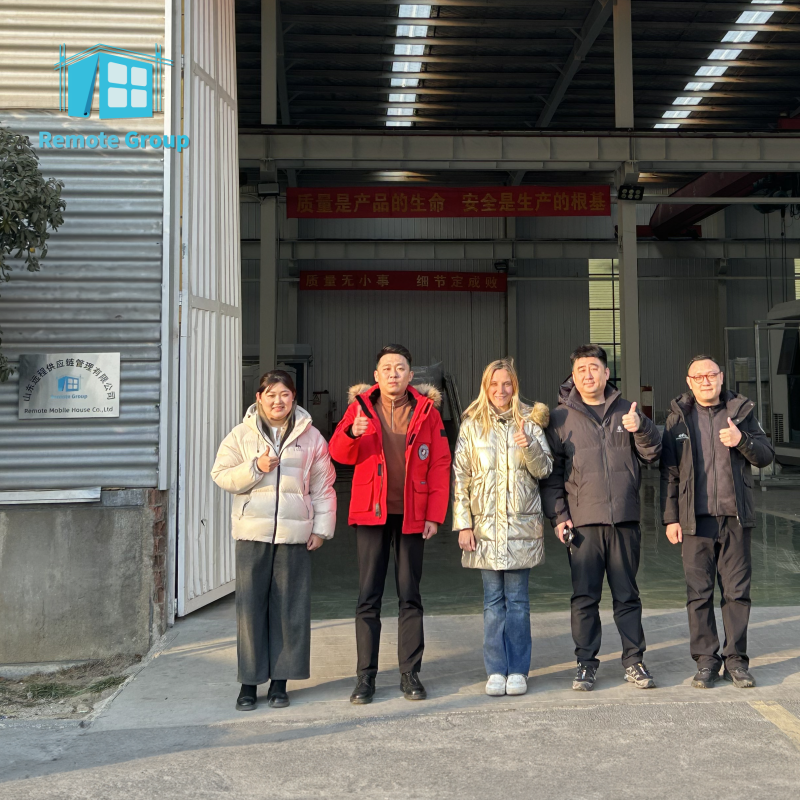
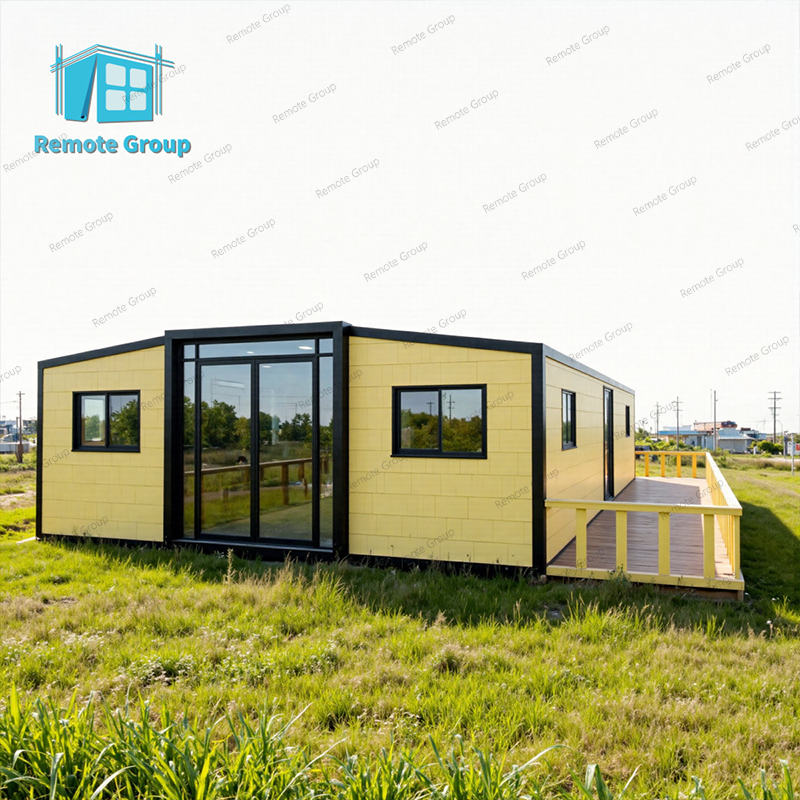
Date: 2026-01-07 Client: Argentina (video conference) Product Focus: Double-Wing Expandable Container House (double-wing expandable container) 1) Meeting Background On January 7, 2026, Remote Mobile Houses Co., Ltd held a dedicated video confe...
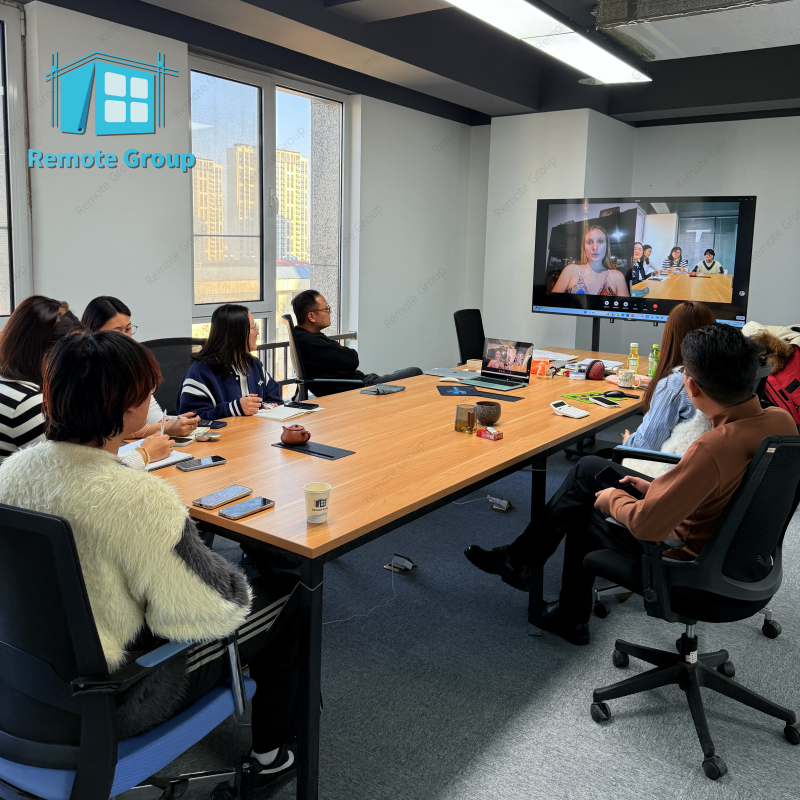
Date: 2026-01-07
Client: Argentina (video conference)
Product Focus: Double-Wing Expandable Container House (double-wing expandable container)
1) Meeting Background
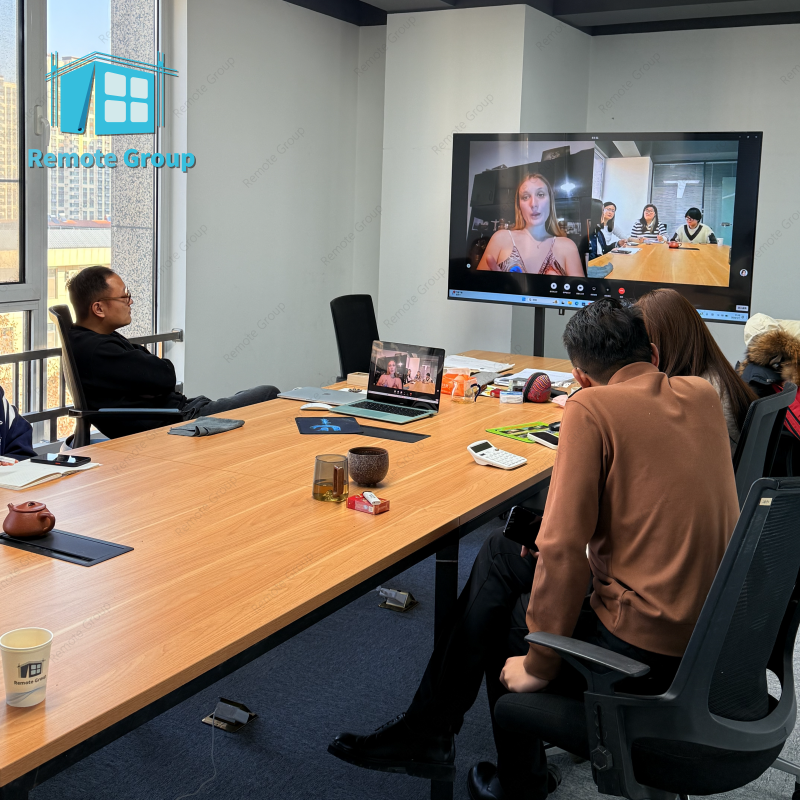
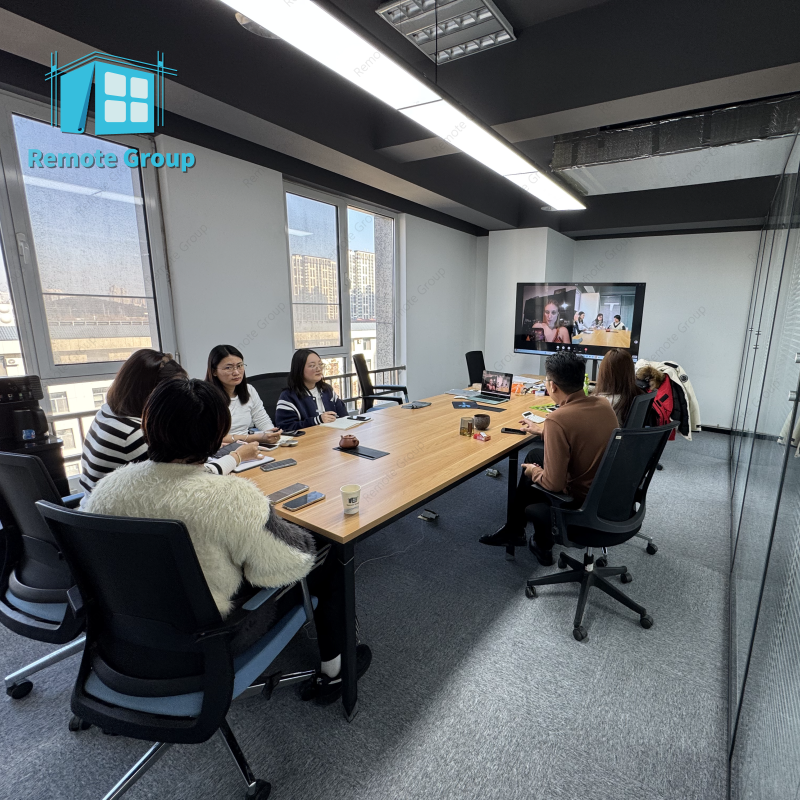
On January 7, 2026, Remote Mobile Houses Co., Ltd held a dedicated video conference with our Argentinian customer to move the double-wing expandable container project into the confirmation stage. The session was organized as a technical + logistics alignment meeting, ensuring the product configuration and the shipping/packing method match the client’s site conditions, schedule, and local delivery requirements.
From our side, a cross-functional team joined the meeting—sales, technical design, production, and logistics—so the client could get direct answers on product details, quality control, and transportation solutions in one call.
2) Meeting Goals
The customer’s main goal was clear: confirm the double-wing container details and eliminate shipping risks before placing the final order. Our goal was to provide a professional, “no-surprises” plan that covers:
Final configuration and structural details
Material selection and insulation strategy
Electrical/plumbing pre-installation scope
Folding dimensions and transport feasibility
Packing, loading, and protection for ocean shipping
Delivery documents and handover checklist
Installation guidance and after-sales support
3) Agenda and Discussion Highlights
A. Double-Wing Structure & Expansion Mechanism (Core Product Details)
We reviewed the working principle of the double-wing system step by step, focusing on stability and repeatability during expansion:
Steel frame structure: load-bearing frame + wing frames, connection points, and reinforcement positions that affect long-term durability during repeated folding/unfolding.
Hinge/expansion areas: the client asked about the most critical stress points. We explained how we strengthen key joints and ensure alignment in the expansion track areas.
Floor system: discussion included floor leveling after expansion, how the floor sections connect, and how to keep the interior feel “flat and solid” after opening.
Wall and roof sealing: we highlighted the sealing concept around the expansion interface, where wind/rain protection must remain reliable after transport.
Outcome: the customer confirmed they want a configuration that prioritizes structural strength, stable expansion, and weather resistance.
B. Layout, Use Scenario, and Interior Scope
The customer shared their intended use scenario and asked detailed questions on interior planning and practicality. We aligned on:
Room zoning: the best placement of doors/windows for airflow and daily use.
Bathroom/kitchen option: we discussed “pre-installed” vs “reserved interface” approaches depending on local plumbing readiness.
Electrical plan: lighting points, socket locations, and distribution box positioning were reviewed to reduce on-site rework.
Ventilation & comfort: we discussed ventilation strategy and insulation selection to support comfortable use in different seasons.
Outcome: we agreed to proceed with a clear interior scope list so the factory output matches the client’s expectations exactly (no missing items, no duplicated items).
C. Materials, Insulation, and Finish Standards
The client asked for clarity on what materials influence long-term durability and comfort. We walked through:
Wall/roof panel options: insulation types and where each option performs best (heat insulation, fire safety preference, moisture performance).
Door/window configuration: opening direction, locking method, and basic sealing requirements for transport and on-site use.
Surface finishing: interior wall finish options and easy-clean surfaces, plus anti-corrosion considerations for coastal or humid environments.
Outcome: the customer requested a materials confirmation sheet that lists exact specs and alternatives, so the purchase decision is fully traceable.
4) Transportation & Shipping (Main Focus of the Meeting)
This section was the key part of the call. The customer wanted to make sure the double-wing unit arrives safely and can be handled smoothly after arrival.
A. Folding Size & Container Loading Strategy
We confirmed the project will use the folded shipping mode, designed to reduce volume and keep transport costs under control. We discussed:
Whether the unit can be shipped in a standard container (common practice) and how we optimize loading space.
How the folded unit is secured to prevent movement during sea transport.
Forklift/crane lifting points and safe handling instructions.
We also clarified the difference between:
Factory loading plan (how we load and secure the unit at origin), and
Destination unloading plan (what equipment is needed at the port/site).
B. Packing Protection & Risk Control
To reduce transport damage risks, we aligned on protective measures:
Corner and edge protection for high-impact areas
Moisture protection strategy (especially for long sea transit)
Wrapping and fixation points for doors/windows and fragile interior components
Spare parts packing method (separate boxes, labeled, checklist)
We also suggested a photo-based loading report: photos taken during folding, packing, and container loading, shared with the client for confirmation.
C. Delivery Documents & Handover List
We confirmed the customer needs clear documentation for customs and site acceptance. We planned to prepare:
Packing list with itemized components
Unit identification labels for quick site checking
Installation guidance package (steps + safety notes)
Maintenance notes and recommended spare parts list
Outcome: both sides aligned that transportation success depends on standard packing + standard fixing + standard documents, not only “good production.”
5) Key Decisions & Meeting Results
By the end of the call, we achieved strong alignment on both product and logistics:
Confirmed product direction: prioritize structural stability, reliable expansion, and practical interior planning.
Confirmed transport strategy: folded shipping mode with a defined fixing and protection method.
Created a follow-up checklist: material specs sheet, layout confirmation, electrical/plumbing scope, and loading plan.
Reduced project risk: clarified handling requirements (lifting points, unloading equipment, site preparation) before shipment.
6) Next Steps (Action Plan)
After the meeting, we set the following execution steps:
Step 1: Send the client a final configuration summary (layout + options + scope boundary).
Step 2: Issue a transportation plan document: folded dimensions, loading method, fixing points, packing protection.
Step 3: Confirm destination requirements: port receiving, inland trucking limits, unloading equipment readiness.
Step 4: Prepare production schedule + QC checkpoints for the client to track progress transparently.
7) Why This Meeting Matters
This case shows how Remote Mobile Houses Co., Ltd manages international projects: we don’t only “sell a unit”—we co-manage the full process from design and manufacturing to transportation readiness and on-site execution. For expandable products like double-wing container houses, success is built on detail: structure, sealing, scope clarity, and shipping discipline.

 EN
EN