
 EN
EN
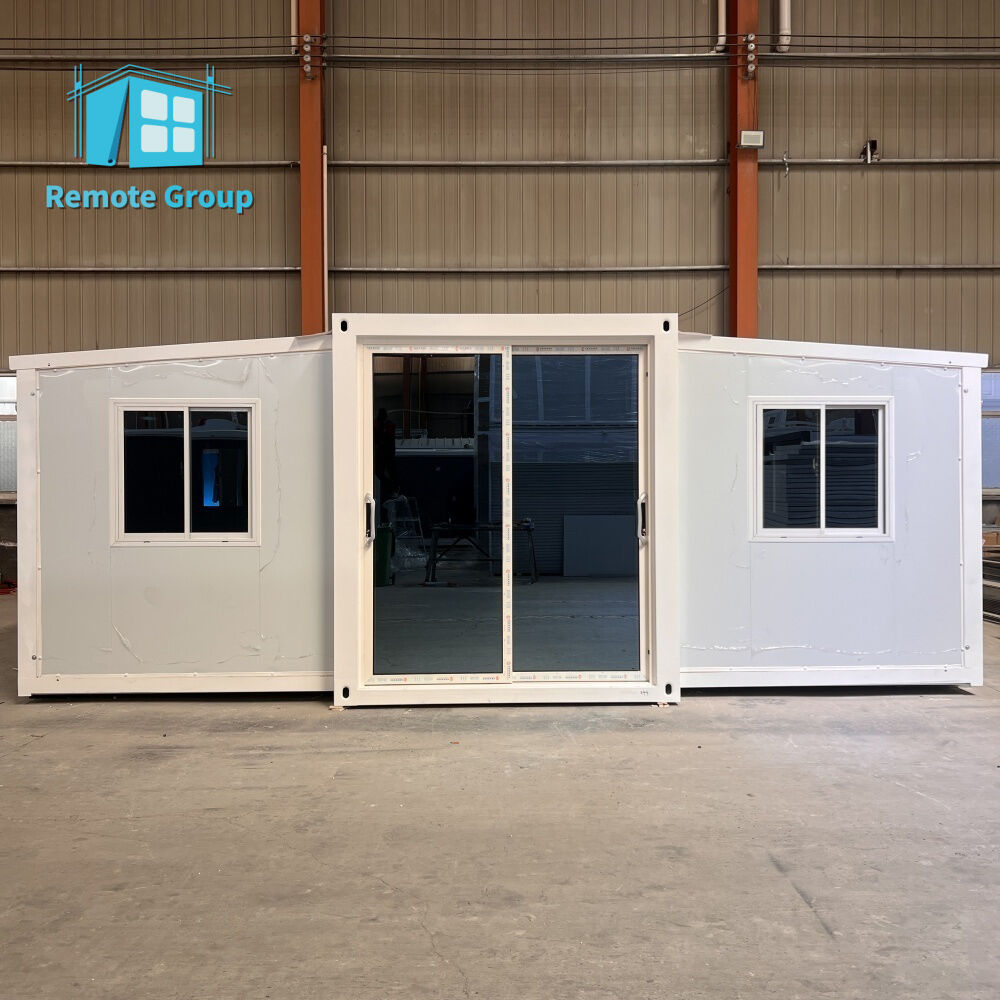
Why Container Houses Are Transforming Outdoor Recreation Infrastructure
Rising Demand for Low-Impact, Rapid-Deployment Housing in Parks and Trails
Land managers across the country are dealing with a real dilemma these days. They need to provide more facilities for visitors but can't afford to damage fragile environments in the process. Standard building methods bring all sorts of problems to protected lands. Big machines tear up sites for weeks at a time, and setting up proper infrastructure costs a fortune. That's where container homes come into play. These prefabricated units show up already about 90% built, cutting down construction time on location by roughly half to three quarters compared to regular buildings. This quick setup lets parks handle those busy summer months without having to permanently expand their physical presence. The special foundations used, like those screw-like piers, keep the ground intact and leave hardly any mark when it's time to take them down. Makes sense really, since most wilderness areas have strict rules about leaving places just as they were found.
Core Advantages: Durability, Mobility, and Design Flexibility for Remote Sites
Shipping container homes stand up really well against harsh weather conditions, which makes them great choices for those tough mountain spots or coastal areas where storms hit hard. The corten steel outside resists rusting even when salt air gets at it, holds up against wind speeds reaching around 175 miles per hour, and can handle snow piles weighing over 150 pounds per square foot according to tests done by ASTM standards. These containers aren't just durable but also built to move easily thanks to special corner pieces that meet ISO standards. That means they can be hauled on flatbed trucks whenever needed because sometimes visitor numbers change unexpectedly. When setting up in places without regular electricity or plumbing connections, these modular designs come with options for solar panels or wind turbines to generate power, no-water toilets, and insulation that works from super cold temperatures down to minus 40 degrees Fahrenheit all the way up to hot summer days hitting 120 degrees. The real beauty lies in how flexible they are. One container might work fine as a small ranger station, but stack several together and suddenly you've got something resembling a proper lodge for guests. And this kind of versatility actually cuts costs significantly compared to building traditional cabins from scratch. Studies show it can cut expenses by roughly 42%, which helps cash-strapped organizations get their money back faster.
Cost and Operational Benefits of Container Houses for Outdoor Communities
42% Lower Construction Costs vs. Traditional Cabins — Verified by 2023 NIBS Modular Benchmark
Using container houses saves money when building outdoor recreation facilities. According to the 2023 report from the National Institute of Building Sciences called the Modular Benchmark, these structures cut down construction costs by around 42% compared to regular log cabins. The reason? Factory made parts mean less work needed at the actual building site. Labor requirements drop about 60%, and there's roughly 31% less wasted materials during construction. What's more, putting together prefabricated containers takes just days instead of the months required for traditional buildings, which really speeds things up for projects. Standard parts make it easier to maintain these structures even in hard to reach locations. Plus, steel containers last longer so there aren't as many repairs needed over time. Recreation managers can take advantage of these cost savings to put money back into improving trails or adding better facilities for visitors, all while still providing good quality housing options.
Phased Deployment Strategies for Seasonal Staff Housing and Visitor Accommodations
Container house modularity gives recreation managers flexibility when planning their operations. During busy seasons they just add more units for temporary staff housing, and then move them around or store them away when things slow down. When it comes to visitors, groups of container cabins work great too. As tourism picks up, these modular structures can simply be expanded without spending loads of money upfront on something that might not even be needed later. The best part? Preparing sites is super straightforward because all these containers need is basic leveling before installation. This means parks and recreational areas can quickly adapt to whatever changes happen in different parts of their operation zones without getting stuck with expensive infrastructure that sits unused most of the time.
Sustainable Design: Eco-Friendly Container House Plans for Off-Grid Recreation Use
Lifecycle Analysis: Recycled Steel Benefits vs. Embodied Carbon in Insulation and Finishes
Using old shipping containers instead of building new structures cuts down on construction waste because they reuse steel that would otherwise go to landfills. Each container keeps around 50 thousand pounds of metal out of trash sites, depending on size. The real green benefit though comes down to what else gets used alongside them. Spray foam insulation is great at keeping buildings warm or cool, but it actually has a pretty big carbon footprint when manufactured, which can cancel out some of those steel savings. A better option might be rigid mineral wool insulation. It doesn't have as much environmental impact while still providing good thermal protection needed in areas where temperatures swing wildly, especially important for places like campgrounds or outdoor recreational facilities.
Modular Add-Ons: Solar Integration, Rainwater Harvesting, and Composting Systems
Container houses designed for off grid living focus on being self sufficient by incorporating various renewable energy sources. Solar panels are typically mounted on those corrugated metal roofs using specially made brackets, and they can produce anywhere from about 3 kilowatts up to around 8 kW based on how much sun hits them throughout the day. Rainwater collection happens below deck in big tanks that catch water falling from the roof, which then gets filtered for use inside. Many of these containers also come equipped with small composting toilets instead of traditional plumbing systems that require septic tanks. All these features work together without needing outside power or water connections, making them ideal for cabin setups deep in wilderness areas where no utilities run.
Real-World Implementation: Case Study of Trailside Pods in Colorado's San Juan Mountains
Looking at the Trailside Pods in the San Juan Mountains shows just how well container homes tackle problems in those tough mountain areas. These little pods sit right around 11,000 feet up where temperatures drop below freezing for months and winds blow hard enough to knock over anything not bolted down. Still, they hold up year after year against Mother Nature's worst throws. Getting them there was no small feat either. The whole setup had to be airlifted in by helicopter since building roads through the delicate tundra would have been bad news for the environment. That approach actually fits what the National Forest Service wants for their low impact projects. What really stands out though are all the off grid features built into these containers. Solar panels provide power and special composting systems handle waste without needing water or chemicals. According to some numbers from Colorado Parks Department audits last year, this setup cuts running costs nearly two thirds compared to regular ranger stations. While container housing definitely works in places where normal buildings wouldn't stand a chance, there are still questions about long term maintenance costs and whether similar solutions could work elsewhere.
FAQ
What are the benefits of using container houses in outdoor recreation areas?
Container houses provide a low-impact, cost-effective, and flexible solution for outdoor recreation areas. They are quick to set up and can be easily expanded or removed without significant environmental damage.
How do container homes perform in harsh weather conditions?
Container homes are made from corten steel, which is resistant to harsh weather conditions, including wind speeds up to 175 miles per hour and heavy snow loads, making them ideal for challenging environments.
Can container homes be used off-grid?
Yes, container homes can be designed for off-grid living with options for solar power, rainwater harvesting, and composting systems, making them self-sufficient in remote areas.
Are there cost savings associated with using container houses?
According to the 2023 NIBS Modular Benchmark, container houses can reduce construction costs by approximately 42% compared to traditional cabins, due to less labor and materials needed.
What are the environmental benefits of using recycled shipping containers?
Using recycled shipping containers reduces construction waste by reusing steel that would otherwise end up in landfills, thus conserving resources and promoting sustainability.
Table of Contents
- Why Container Houses Are Transforming Outdoor Recreation Infrastructure
- Cost and Operational Benefits of Container Houses for Outdoor Communities
- Sustainable Design: Eco-Friendly Container House Plans for Off-Grid Recreation Use
- Real-World Implementation: Case Study of Trailside Pods in Colorado's San Juan Mountains
-
FAQ
- What are the benefits of using container houses in outdoor recreation areas?
- How do container homes perform in harsh weather conditions?
- Can container homes be used off-grid?
- Are there cost savings associated with using container houses?
- What are the environmental benefits of using recycled shipping containers?