
 EN
EN
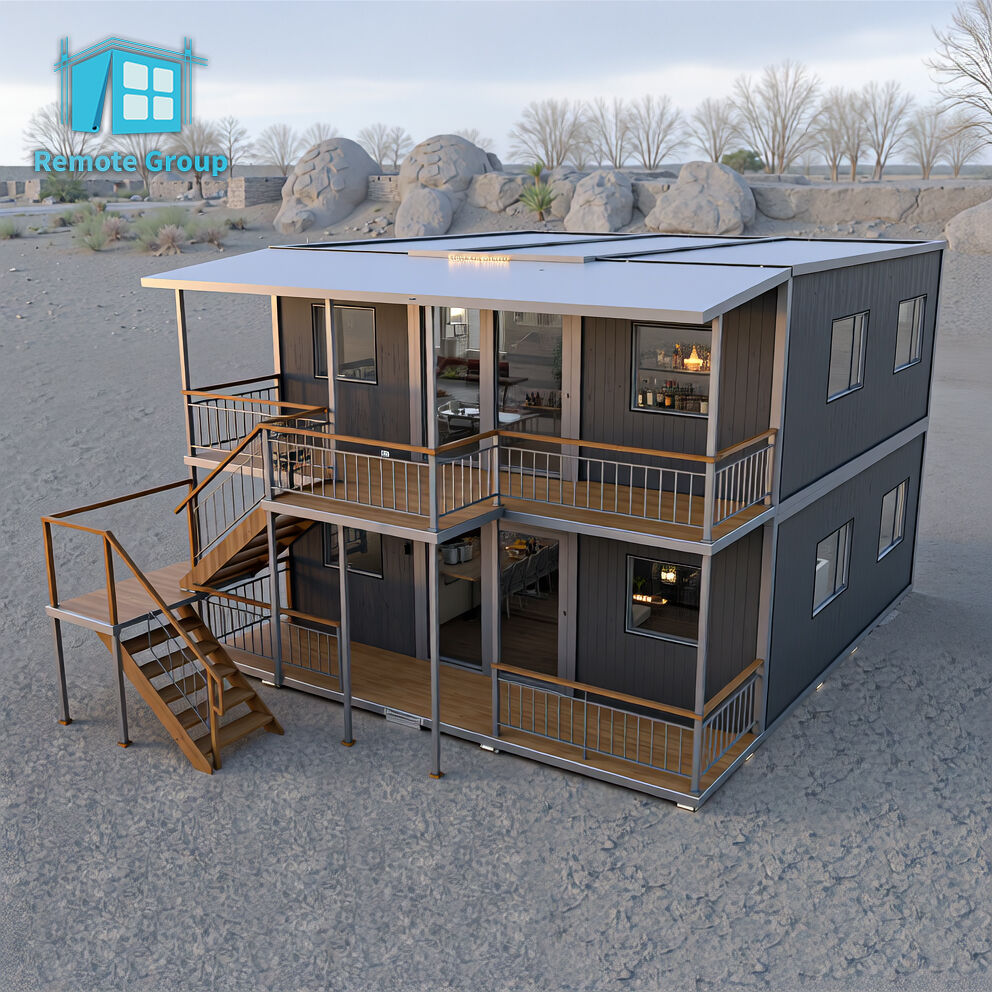
Family-Centered Layout Planning for a Shipping Container House
Zoning for Privacy, Safety, and Daily Flow in Compact Living
Compact shipping container homes need smart space planning to keep private areas separate from common ones while still allowing people to move around naturally. The best approach puts bedrooms on opposite ends of the home away from busy spots like kitchens. Bathrooms or storage walls can act as buffers between these areas so kids napping won't be disturbed by kitchen noise or someone working remotely gets interrupted. Sliding barn doors work great here too. During the day they stay open to let everyone connect, then get shut at night when privacy matters most. Safety shouldn't be an afterthought either. Rounded edges on countertops where kids play and floors that grip instead of slip between different zones help avoid accidents. Layout really does matter for small spaces. Research published last year showed that good floor plans in homes under 1,000 square feet actually shorten walking distances inside by about 30%. Makes sense really because nobody wants to trek across their tiny home just to grab a glass of water.
Optimizing Two 40-Foot Containers for 2-Bedroom + Open-Plan Living
Two standard 40-foot containers deliver 640 sq ft of usable space—ideal for a small family when configured with intention. Common, proven configurations include:
| Container 1 | Container 2 | Connection Strategy |
|---|---|---|
| Master bedroom + ensuite bath | Open-plan kitchen/living area | Steel-framed glass corridor |
| Children’s bedroom | Flexible space (office/guest/learning zone) | Butt-joined with continuous insulation |
Getting creative with vertical space saves precious square footage in small spaces. Putting sleeping lofts right over bathrooms can gain back around 80 to 100 extra square feet, something that makes a real difference when space is tight. Floor to ceiling cabinets work wonders too since they slot neatly into those awkward gaps between structural elements. And don't forget about those under the stairs areas either - these often get overlooked but can actually hold quite a bit once properly organized, especially in split level layouts where dead space tends to accumulate. The living and dining area has been designed as one continuous space across both containers, which really opens things up visually and makes the whole place feel bigger than it actually is. For lighting, north facing clerestory windows bring in lots of natural light throughout the day without causing any annoying glare. People who live in smaller homes report feeling better overall with this kind of setup because their bodies respond positively to consistent daylight patterns, even though some might worry about summer heat issues. But in practice, these windows tend to stay cool enough most of the time.
Structural Integrity and Climate-Adaptive Systems in a Shipping Container House
Mitigating Condensation and Thermal Bridging with Hybrid Insulation
Steel shipping containers let heat pass through pretty easily, which creates these thermal bridges when warm inside air hits colder spots on the container surface. We typically see problems at those connection points between panels, around windows, and near doors. When it gets really humid outside, this situation causes condensation buildup, increases the chance of rust forming, and generally makes the air quality worse inside. The solution comes from using hybrid insulation methods. First, we apply closed cell spray foam throughout the walls to stop any air from leaking out. Then we add rigid insulation panels on the outside that actually block those heat transfer paths along the metal framework. This two part system keeps temperatures inside much more consistent compared to just using one type of insulation material. Tests show about a 40% improvement in temperature stability, plus energy bills drop somewhere around 30% per year. And don't forget something important here: every seam and joint needs proper sealing with appropriate membranes and flashing materials. Otherwise moisture will find its way in over time and eventually damage the whole structure.
Integrating Heat Recovery Ventilation for Healthy, Year-Round Air Quality
Shipping container homes tend to be pretty sealed up, so getting proper mechanical ventilation isn't just nice to have—it's essential for people living inside. Heat Recovery Ventilation or HRV systems work by swapping out old stuffy air inside with fresh air from outside. These systems keep about 80 to maybe even 95 percent of the warmth already in the house thanks to this special heat exchanger part inside them. There are two fans working at the same time basically. One fan brings in clean filtered air while the second fan takes out all the dampness plus carbon dioxide and those volatile organic compounds we hear so much about nowadays. Nobody wants their air streams getting mixed up after all. When it comes to smaller homes where families live together, going with an HRV system that handles around half an air change every hour makes sense. This helps maintain good air quality and stops mold from growing in places where moisture builds up naturally like bathrooms and kitchens. Regular filter changes matter too obviously. With these systems in place, homeowners actually save money on heating bills because they're not wasting all that captured warmth when they replace the air.
Cost-Efficient Build Strategies for a Small-Family Shipping Container House
Managing Key Cost Drivers: Foundation, Cutting, Welding, and Permitting
The biggest money pit when building container homes usually comes down to three main factors: foundations, modifications, and getting those pesky permits sorted out. Going with pier foundations or insulated concrete slabs instead of full basements can actually cut foundation costs anywhere from 30% to 40% according to research published last year. When it comes time for cutting and welding metal parts together, adding windows, or reinforcing doorways, these tasks should ideally happen in batches and handled by folks who really know what they're doing. That helps save both time and money on fixing mistakes later. Permit fees vary wildly depending where you live. In rural areas, expect to pay around $1,200 just to get approval for a container home. But head into city limits and prices jump way up past $3,500 because local authorities tend to enforce building codes much more strictly there. Don't forget about permits either! Always secure them first before making any changes to the structure itself. Otherwise, if applications get delayed or rejected altogether, homeowners might end up facing expensive redesign work or even having to tear things apart completely.
Maximizing Usable Space with Lofts, Vertical Storage, and Multi-Functional Design
Going up rather than out remains one of the smartest ways to get more living space without expanding the building's base. Loft areas above standard bedrooms or kitchen spaces typically give around 100 to 150 extra square feet at no extra cost for foundations or roofs. We've seen homeowners maximize every inch by installing tall shelves that run from floor to ceiling in hallways, plus creative storage solutions beneath staircase landings where dust usually accumulates. Furniture that does double duty makes all the difference too. Fold down workstations, those pull-out beds that hide during the day, and tables that transform from dining surfaces to workspace extensions help stretch limited square footage. According to research published last year in Compact Living Journal, when designers thoughtfully incorporate these multifunctional elements into homes smaller than 500 square feet, people actually feel the space is 27% bigger than it really is. That means better quality of life without spending extra on construction costs.
FAQ
What are the benefits of using two 40-foot containers for a home?
Two 40-foot containers offer around 640 sq ft of space, ideal for compact living with design flexibility and cost efficiency. They can be configured to include private and communal spaces while maximizing vertical storage.
How can I ensure good air quality in a shipping container home?
Installing a Heat Recovery Ventilation (HRV) system ensures consistent air changes, expels stale air, and introduces fresh air while retaining warmth, improving indoor air quality, and preventing mold growth.
What's the best insulation strategy for shipping container homes?
A hybrid insulation approach is recommended. Use closed cell spray foam for airtightness and rigid insulation panels outside to prevent thermal bridging and improve temperature stability.
How can I maximize usable space in a compact container home?
Utilize vertical space with lofts and tall storage units. Incorporate multifunctional furniture like foldable workstations and pull-out beds to enhance the livability of smaller homes.
What are the main cost drivers when building a container home?
Main cost influences include foundation construction, structural modifications (cutting and welding), and permitting. Cost-efficient strategies include using pier foundations and batch processing structural changes by experts.
Table of Contents
- Family-Centered Layout Planning for a Shipping Container House
- Structural Integrity and Climate-Adaptive Systems in a Shipping Container House
- Cost-Efficient Build Strategies for a Small-Family Shipping Container House
-
FAQ
- What are the benefits of using two 40-foot containers for a home?
- How can I ensure good air quality in a shipping container home?
- What's the best insulation strategy for shipping container homes?
- How can I maximize usable space in a compact container home?
- What are the main cost drivers when building a container home?