
 EN
EN
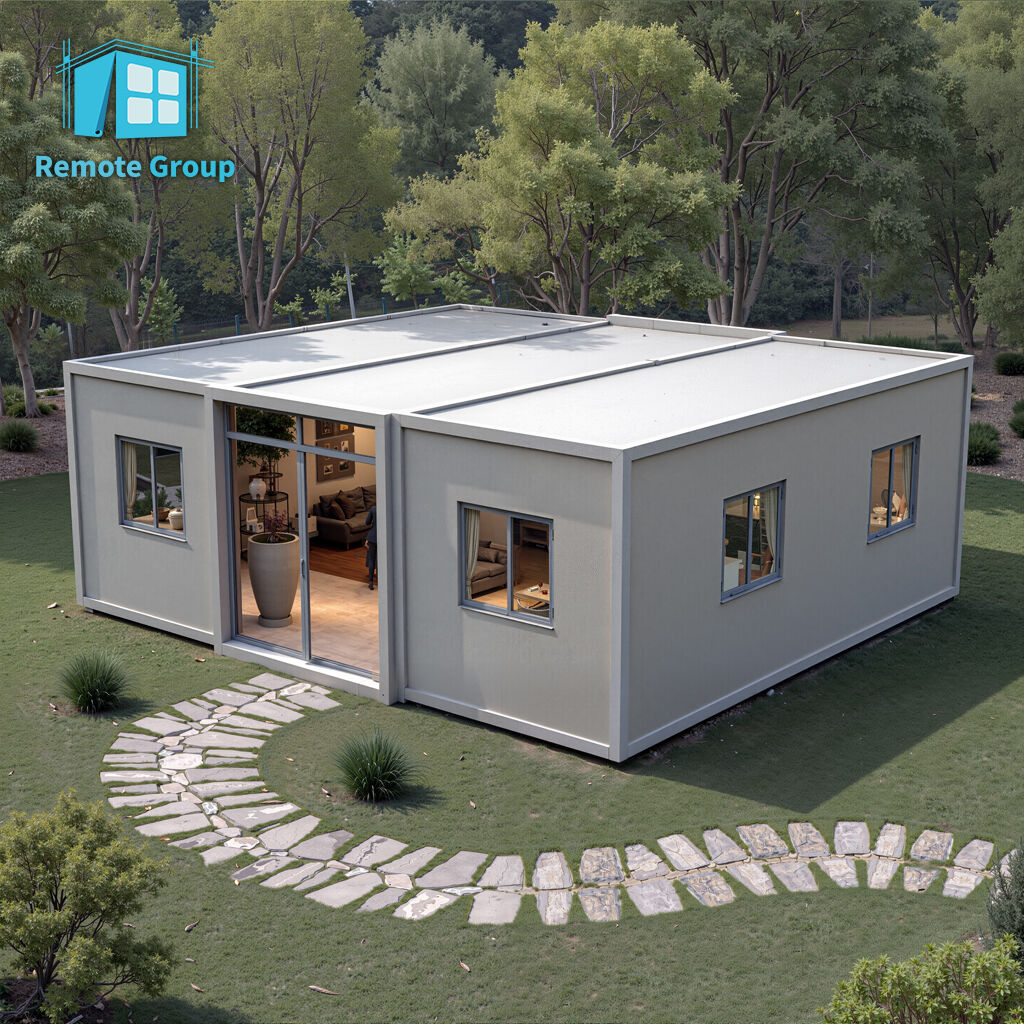
Why Shipping Container Houses Are Ideal for Co-living Design
Modularity and Scalability: Rapid Deployment of Flexible, Community-Oriented Units
Container homes really work well for shared living spaces because they come in standard sizes that can be put together like Lego bricks. These metal boxes stack on top of each other, connect side by side, or get rearranged pretty quickly without needing much actual building work. The way these containers fit together gives property developers lots of options when planning communities. They can start small with just a few homes grouped closely together and then expand later into bigger neighborhoods with dozens of residences. Plus, since every container is basically the same size and shape, there's less chance of inconsistencies showing up in the finished project compared to traditional housing developments.
The modularity supports dynamic spatial arrangements that foster interaction: U-shaped groupings create shared courtyards; vertical configurations enable communal rooftop gardens; and staggered placements optimize natural light and cross-ventilation. Unlike traditional construction, this approach adapts seamlessly to evolving community needs—additional modules integrate without disruptive renovations or costly redesigns.
Cost Efficiency and Accessibility: Lowering Entry Barriers to Shared Housing
Building with shipping containers really brings down the costs for co-living developments. Steel containers that get repurposed typically run about half the price of regular building materials, sometimes even cheaper. Plus, since they're already made to standard sizes, there's way less need for skilled labor on site maybe around two thirds less work compared to traditional methods. The savings pass right through to renters too. Rent prices end up roughly 40 percent lower than what people normally pay in these areas. That makes it possible for all sorts of folks students just starting out, young workers getting established, or older adults downsizing to find good quality housing at prices they can actually afford within communities where neighbors tend to know each other better.
Foundations require minimal site preparation, and pre-fitted MEP (Mechanical, Electrical, Plumbing) systems accelerate permitting and occupancy. Crucially, this affordability does not compromise safety or durability: container-based structures meet or exceed International Building Code (IBC) standards for residential use when properly engineered and insulated.
Sustainability Advantages of Shipping Container Houses in Co-living Communities
Embodied Carbon Reduction Through Container Repurposing
When old shipping containers get repurposed instead of scrapped, it cuts down on the need to make all that new structural steel. We're talking about reducing embodied carbon by around 3,000 kg of CO2 for each container compared to regular building methods. The real win here is keeping those quality steel boxes out of landfills while also dodging all the emissions that come with mining raw materials and smelting processes. Energy consumption drops by roughly 80% when we reuse these containers rather than fabricating fresh steel frames from scratch. And because these containers stack so nicely in modules, there's simply no need for massive concrete foundations either, which means less disruption to whatever site gets chosen for development.
Integrated Eco-Systems: Solar, Rainwater, and Waste Management in Container-Based Layouts
Shipping containers have this neat geometric shape that makes it much easier to build sustainable infrastructure around them. The flat tops work great for installing solar panels that are all set at just the right angle for maximum sun exposure. When containers are connected together, they create a network for collecting rainwater too. Water runs off one container into another until it reaches common storage tanks somewhere in the middle. Tests show this setup gathers about 40 percent more water compared to regular houses standing alone. For waste management, there are special areas built right into the site where people can compost their bathroom waste, filter bath water, and recycle materials instead of throwing everything away. These spots cut down what goes to landfills by roughly two thirds. Throw in some smart design tricks like letting air move between containers and using materials that store heat well, and the whole system brings down carbon emissions anywhere from 30 to half what they would be otherwise.
Designing Community-Centric Amenities with Shipping Container Houses
Shared Functional Spaces: Kitchens, Workshops, and Lounge Zones Built from Interconnected Containers
Modular shipping container houses become vibrant community hubs through intentional interconnection. Strategically linked units form open-plan kitchens where neighbors collaborate on meals; adjacent containers transform into maker spaces with modular workbenches and tool storage; and lounge zones with acoustic-insulated, foldable walls flex between quiet retreats and large-group gatherings.
One standard 40 foot shipping container gives about 320 square feet of really flexible space. That's plenty big enough to set up a full scale kitchen area, create a proper workshop with all the tools needed, or even transform into a living space complete with built in seating areas and entertainment options. The steel frame construction makes it possible to extend these containers with covered outdoor sections that stick out from the main body. At the same time, smart positioning of windows combined with sliding glass doors keeps the air moving through the space without letting too much heat escape. People who have tried this kind of modular design often find that their communities engage with shared facilities around 40 percent more than traditional setups do. Plus there tends to be roughly 30% less construction debris generated when building these spaces compared to regular methods. What makes container based architecture so appealing is how easy it is to move things around as needs change. Spaces can literally be rearranged year after year, which aligns perfectly with what co living communities are all about creating environments where people come together and grow together over time.
FAQ Section
1. Are shipping container houses safe to live in?
Yes, shipping container houses are safe to live in when they are properly engineered and insulated to meet or exceed International Building Code (IBC) standards for residential use.
2. How do container houses help in reducing carbon footprints?
Container houses reduce carbon footprints by repurposing old containers, which cuts down on the need for new construction materials and reduces embodied carbon and energy consumption.
3. What are the cost benefits of building with shipping containers?
Building with shipping containers can significantly lower costs due to their lower price compared to traditional construction materials and reduced need for skilled labor, resulting in roughly 40% lower rents.
4. How do container homes support sustainability?
Container homes support sustainability by integrating solar panels and rainwater harvesting systems, reducing waste through smart design, and cutting down on carbon emissions.