
 EN
EN
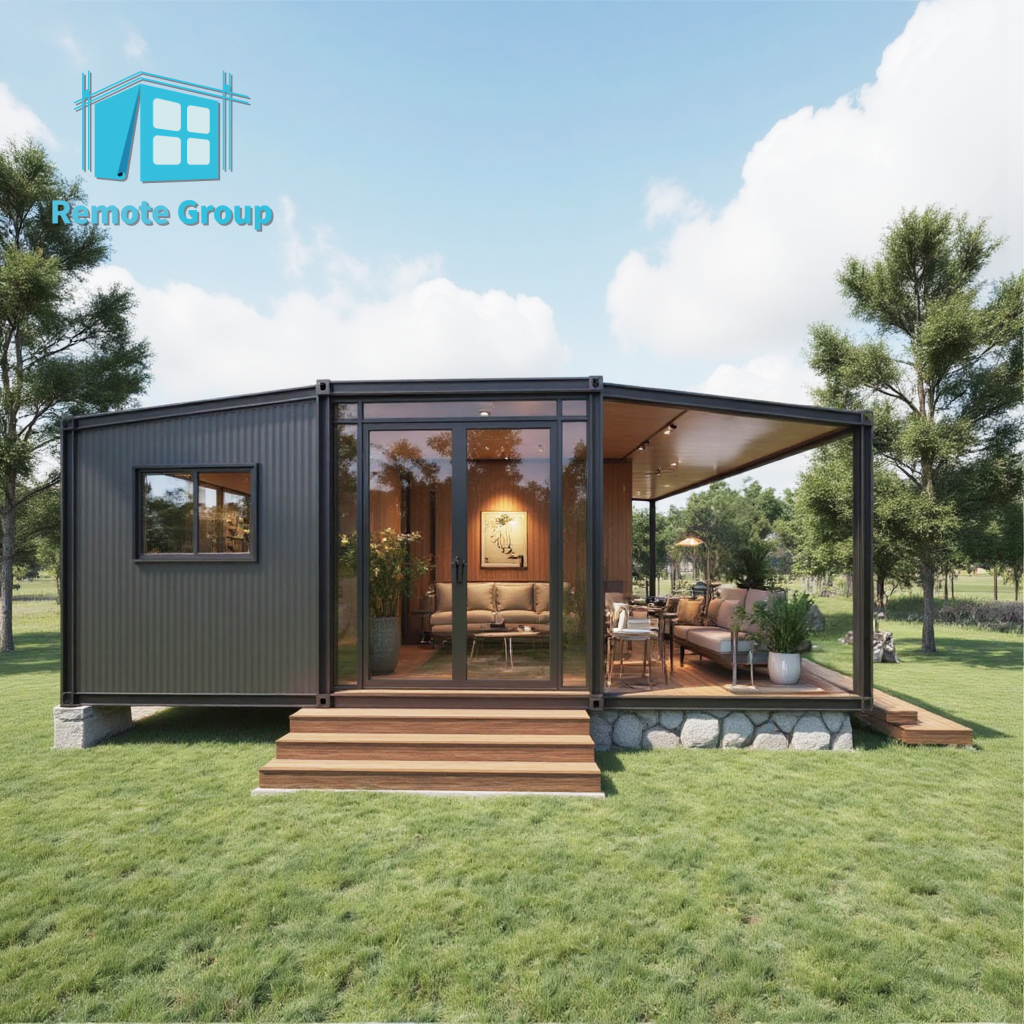
Pre-Integrated Smart Infrastructure in Prefab Home Manufacturing
Embedded IoT Sensors and Pre-Wired Automation Backbones
Today's prefabricated homes come with IoT sensors built right into their structural parts when they're made in factories. This setup allows for constant monitoring of things like temperature, how solid the structure remains, and how much energy the house consumes day to day. Power lines, data connections, and control system pathways are all put in place before shipping out from the factory floor. This means no need for extra work once the home arrives at its destination, making it much easier to connect all those smart gadgets later on. Testing everything while still in production cuts down on mistakes during installation by somewhere around 30 percent compared to what happens when similar systems get installed after construction starts. What we end up with is basically a ready-made platform that responds well to changes and supports all sorts of modern conveniences going forward.
- Automated HVAC optimization based on occupancy patterns
- Adaptive lighting triggered by motion and ambient light levels
- Early-moisture detection in plumbing systems
Balancing Standardization and Customization Across Smart Modules
Smart manufacturers keep their costs down and ensure good quality by using standard modules that come pre-set from the factory, tested thoroughly, and meet industry standards like Matter and ANSI/CTA-2063-A. Homeowners benefit too since these systems have easy connect features and modular wiring that let them customize their setup while still keeping everything working properly. The whole system allows people to pick different security options, set up voice controls, and monitor energy usage through dashboards all while making sure the system can grow and get updated later on. According to recent market studies, around three quarters of consumers look for exactly this kind of arrangement where they can tweak things to their liking but still know the basics are solid and reliable.
Energy Efficiency Gains Through Smart Systems in Prefab Homes
Prefab homes leverage integrated smart technologies to achieve measurable, sustained energy savings—driven primarily by predictive HVAC analytics and adaptive lighting systems.
Predictive HVAC Analytics and Smart Thermostats
Smart HVAC systems in prefabricated homes actually get pretty good at figuring out when people are around and what the weather is doing outside. They adjust temperatures automatically based on this information. The machine learning stuff behind them looks at how people have used their home before and then cuts down on heating or cooling when nobody's there. According to some research from the US Department of Energy last year, this can cut energy costs anywhere between 18% to maybe even 22% compared with regular houses. Pretty impressive stuff really. Most new modular homes coming off the production line these days come equipped with these smart systems as standard features. What makes them stand out? Well let me tell you about some of the main benefits they offer...
- Real-time response to external temperature fluctuations
- Zone-based climate control that isolates unused spaces
- Proactive maintenance alerts that preserve system efficiency over time
Adaptive LED Lighting with Occupancy and Scene Control
Smart lighting systems bring together efficient LED bulbs with motion detectors, daylight sensors, and customizable settings that automatically adjust brightness or shut off completely when no one's around. These systems can create different moods too, like morning mode for bright light, dinner settings for softer illumination, or night mode for minimal brightness. The combination of these features typically reduces energy costs by about 30 to 50 percent compared to regular LED installations alone. Beyond basic functions, many smart lights now support voice commands for changing scenes and track usage patterns over time. This data helps spot areas where even more savings might be possible. What used to be just background lighting has become something much more interactive, acting as part of the overall home energy strategy instead of just sitting there doing nothing.
Built-In Security Automation for Prefab Homes
More than three quarters of newly built modular homes these days come with security systems already built right into them according to Builtprefab's 2025 report. We're talking about something much better than just sticking on separate cameras and alarm boxes. The latest stuff has sensors woven throughout the actual structure itself. Think about contact sensors hidden inside door frames or vibration detectors mounted directly onto windows. This means everything works together properly from the moment someone moves in. The main control center handles things like turning lights on in stages or sending secure alerts to phones, all while keeping track of who's actually there and what's going on around the house. When compared to old fashioned retrofitting methods, this factory planned approach gets rid of those annoying installation problems and weak spots that tend to pop up later. People report about 30 percent fewer setup mistakes this way. And here's another bonus nobody talks about enough: these automated security features actually help save energy too. When the system detects nobody is in a room, it automatically turns off lights and stops monitoring areas that don't need attention. Across the board, smart homes with these integrated systems typically cut down their total energy usage somewhere between 18 to 22 percent.
Design-to-Deployment Workflow: Engineering Smart Integration into Prefab Home Construction
Concurrent Engineering of Structural Modules and Smart System Architecture
Many top construction firms now use building information modeling, or BIM, right from the start when designing buildings and their smart systems together. This method catches problems early on, like running electrical conduits through load bearing walls that would later cause structural issues. It also makes sure all those little things get placed correctly throughout the building frame work and insulation layers. Things like sensors for monitoring conditions, power outlets, and even wireless internet spots can be positioned properly without guesswork. Before any actual construction starts happening, digital replicas of buildings run simulations showing how well they'll handle heat, weight distribution, and signal strength across different areas. These tests check if the building will save energy and maintain good network connections once completed. A recent report from the Prefab Innovation Council shows pretty impressive results too. Their data suggests that using this combined approach gets projects ready faster by around 35%, which means less downtime during installation. And fixing issues after construction costs builders roughly seven thousand dollars less per project compared to traditional methods. What we end up with then is basically a complete smart space that works seamlessly right out of the box, though there's always room for improvement as technology continues evolving rapidly.
FAQs
What are the advantages of embedded IoT sensors in prefab homes?
Embedded IoT sensors provide real-time monitoring of various parameters like temperature and energy consumption, ensuring home maintenance is easier and more efficient.
How do smart systems in prefab homes enhance energy efficiency?
Smart systems, such as predictive HVAC analytics and adaptive lighting, adjust to occupancy and external conditions, reducing energy costs by up to 22%.
What is the role of building information modeling (BIM) in prefab home construction?
BIM helps design smart systems within the structural layout, ensuring optimal placement of components and reducing post-construction errors.