
 EN
EN
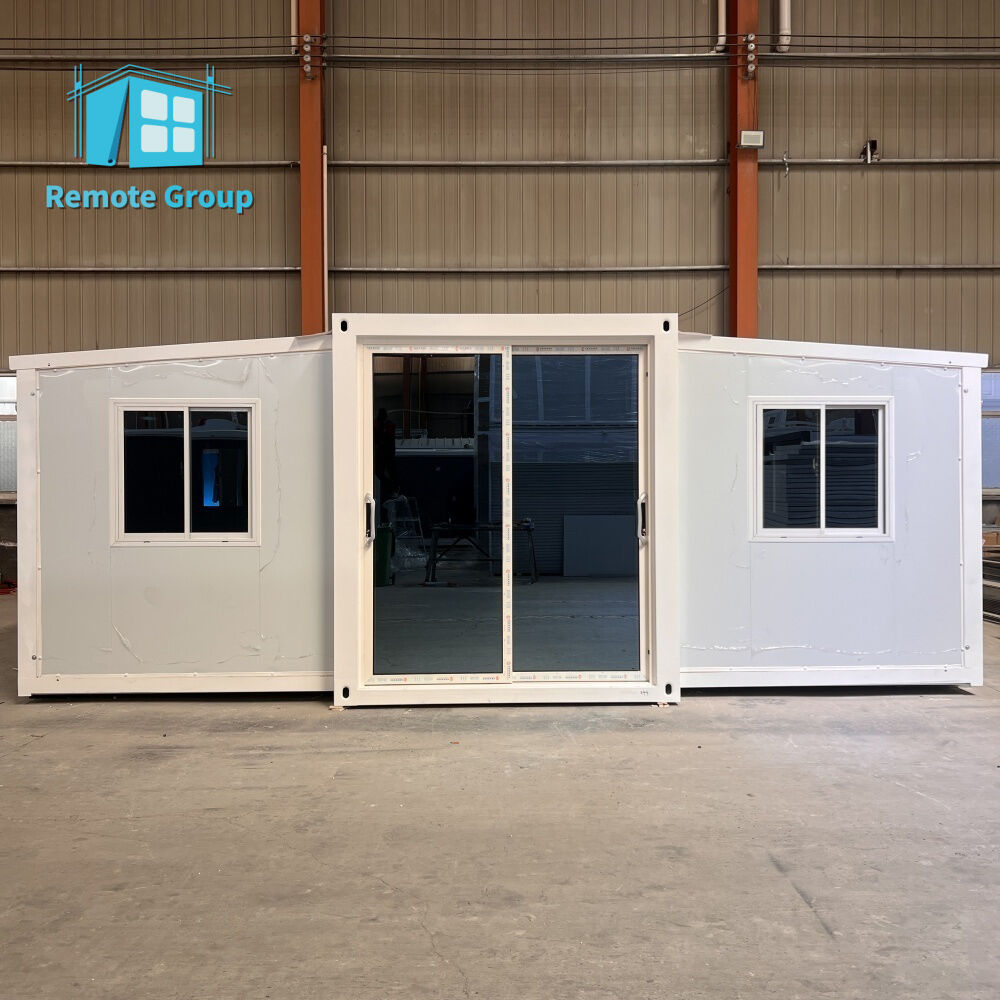
Why Container Houses Are Ideal for Scalable Sports Infrastructure
Modular Flexibility Meets Event-Driven Demand Cycles
Attendance at sports events tends to go up and down quite a bit depending on what's happening. Pre season practice sessions don't need much in terms of facilities, but when it comes time for championship matches, suddenly everyone wants better seating, restrooms, and concessions. Container housing offers a smart solution because these modular structures can actually be put together or taken apart within just a few weeks rather than waiting months for construction crews. Take the case of Stadium 974 during the 2022 FIFA World Cup. They constructed this massive venue entirely from old shipping containers - exactly 974 of them if memory serves right - and then tore it all down after the tournament ended. The flexibility here means stadiums can expand their space for bigger games or local competitions without having to build something that sits empty most of the time. It saves money and resources throughout the whole year.
Lifecycle Alignment: From Temporary Fan Zones to Permanent Training Pods
Container infrastructure keeps changing throughout the life of sports facilities. After games are over, those concession stands often turn into places where athletes recover from their workouts while temporary seating areas get converted into rooms for watching game footage and analyzing plays. Take Oregon State University as one example they took those temporary fan zones set up during events and turned them into long term spaces for recruiting new talent, saving hundreds of thousands on what would have been expensive reconstruction work. The whole point of this approach is making sure money spent now actually pays off later on. What gets put in place for local youth sports programs today might just end up being part of an Olympic training facility down the road.
Cost and Time Savings with Container House Deployment in Sports Venues
40–60% Faster Turnaround vs. Traditional Construction
Using container based solutions can cut down construction time by somewhere between 40 to 60 percent when compared to regular building methods according to recent data from the Modular Building Institute in 2023. With factory built modules, work flows can run side by side since site preparation happens at the same time as fabrication. This approach gets rid of those annoying weather related delays and eliminates problems caused by different trades waiting on each other. Sports facilities especially benefit from this because they often have packed schedules. What would normally take around 12 months using traditional methods now takes just 5 to maybe 7 months instead. Some of the main reasons for these speed gains are ready made structural parts, easier foundation work thanks to built in steel framing systems, and simply less time spent putting things together right there on site.
Labor and Logistics Efficiency in Collegiate and Municipal Retrofits
Cities across the country are finding that converting old buildings into sports facilities saves them around 30 to 45 percent on labor costs when they use container based retrofitting methods. These standardized building blocks need about half as many skilled workers onsite compared to traditional construction methods, which makes transportation much easier too something that matters a lot in crowded city centers where space is at a premium. Take a standard 40 foot shipping container for instance it takes just three days from arrival to become fully operational locker rooms or storage areas for equipment. The speed really helps during those busy seasons when expansion work needs to happen fast without breaking budgets or causing major disruptions to regular activities at these facilities. Plus there's money saved elsewhere too because buying materials like insulation panels, bathroom fixtures, and exterior coverings all at once cuts down overall expenses significantly.
Functional Customization of Container Houses Across Sports Facility Roles
From Concession Stands to VIP Lounges and Medical Units
Container houses have become quite versatile in sports venues when they get modified properly. For concession stands, we're talking about full service stations with proper ventilation so people don't suffocate while grabbing snacks, plus those big service windows that let crowds move through without getting stuck. The VIP areas are something else entirely though. They come with high quality floors that won't crack under pressure, soundproof walls so nobody gets distracted by outside noise, and those huge glass panels that give amazing views. Setup time? About half what it would take for regular luxury spaces according to industry benchmarks. Medical containers are pretty impressive too with built-in ambulance entry points, backup generators just in case there's a power outage during treatment, and special storage compartments for all sorts of sports medicine equipment. And let's not forget about temporary structures needed for different seasons either. Pop up shops selling team gear and makeshift broadcast centers show up regularly at tournaments. Most event organizers know from experience that around four out of five extra buildings end up needing to be moved somewhere else after the games wrap up anyway.
Design Considerations: Insulation, Height, and Accessibility for Athlete-Specific Use
Optimal performance demands athlete-centric design:
- Thermal regulation: Closed-cell spray foam insulation maintains stable interior temperatures (–20°F to 120°F), vital for physical therapy and cryotherapy pods
- Clear height enhancement: Extended 9–10 ft ceilings support overhead rigging and weight-training equipment in strength modules
-
Mobility accommodations: Retractable ramps and ADA-compliant doorways ensure universal access across all facility types
Climate-specific vapor barriers prevent condensation in humid regions, while reinforced flooring accommodates hydrotherapy tanks and other specialized rehabilitation machinery—enabling seamless transitions between temporary fan services and permanent athlete recovery infrastructure.
Sustainability and Future-Proofing Through Container House Integration
Using old shipping containers helps cut down on waste because they reuse materials instead of creating new ones. Construction waste drops around 90% compared to regular buildings. The steel frames already exist so there's no need to dig up fresh resources, which cuts carbon emissions somewhere between 30 to 50 percent according to the World Green Building Council report from 2025. When it comes to running costs, these containers have great insulation and are ready for solar panels, saving about a quarter of annual energy bills for venues. What makes them really special is how adaptable they are. A container starts life as just a water station during events but can later become a full physiotherapy lab when needs change. Want better temperature control? Just install smart systems. Need water savings? Rain collection works too, all without changing the basic structure. Sports facilities built this way last longer and stay relevant for years, making them perfect examples of circular economy thinking. They help reach those net zero targets while still keeping pace with what athletes need next.
FAQ
What are container houses used for in sports venues?
Container houses are used in sports venues for various facilities such as concession stands, VIP lounges, medical units, locker rooms, and equipment storage.
How do container houses save time and cost in construction?
Container houses provide a 40–60% faster turnaround compared to traditional construction and reduce labor costs by 30 to 45% by utilizing modular and factory-built methods.
Are container houses sustainable?
Yes, container houses are sustainable as they reuse shipping containers, reducing construction waste and carbon emissions significantly.
Can container houses be customized for specific uses?
Yes, container houses can be customized for athlete-specific use, like physical therapy and cryotherapy pods, while also ensuring mobility and accessibility compliance.