
 EN
EN
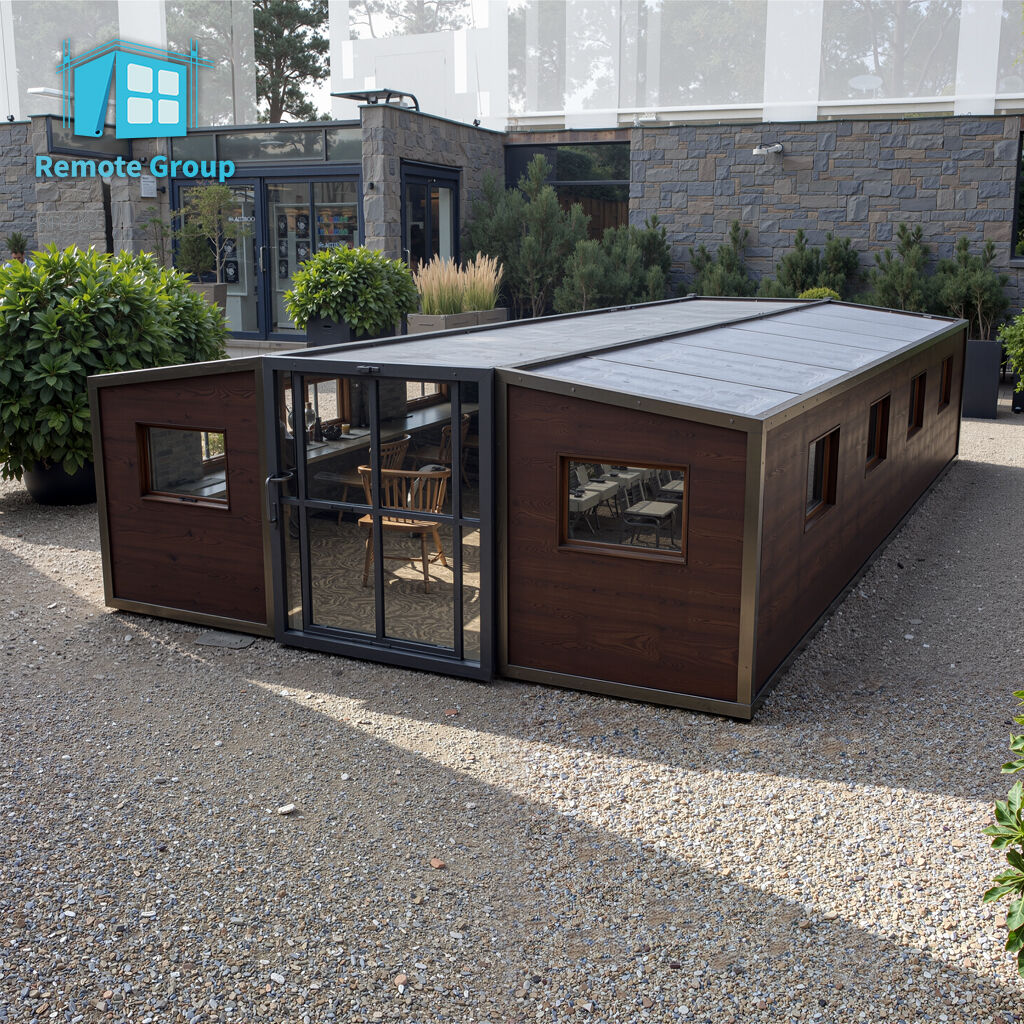
Inherent Structural Strength of Shipping Containers
Corten Steel: High Tensile Strength and Load-Bearing Capacity
The secret behind shipping containers lasting so long lies in corten steel, which creates a protective rust layer over time that actually stops further corrosion while keeping the structure strong. What makes this material special is its incredible strength rating around 235 MPa according to ISO standards, meaning each container can hold over 58,000 pounds vertically without buckling. The manufacturers design them carefully too, with those wavy walls and heavy duty corners that spread out the weight properly across the whole unit. Even when left as they are, standard containers handle quite a bit - about 375 kilograms per square meter of snow load and still stand firm against hurricane level winds. That explains why people building homes from shipping containers find them so resistant to bending or breaking when exposed to harsh weather conditions.
Factory-Engineered Rigidity vs. On-Site Adaptation Trade-offs
Factory made shipping containers are built to be super rigid with their precise welding and consistent materials, but when we start cutting holes in them for homes, things get tricky structurally. Making those window and door openings breaks how the forces flow through the walls, which can cut down on strength somewhere around half if there's no extra support added. Engineers need to put in steel braces and special connection points to make up for all this cutting around. The way these containers were originally designed to handle stacking at sea doesn't really match what people need in living spaces. So real world adaptations require smart planning to keep containers strong enough for houses while still making them work as homes.
Critical Engineering Considerations for Shipping Container House Modifications
Welding Protocols, Moment-Resisting Connections, and Structural Reinforcement
When it comes to modifying shipping container homes, getting the engineering right is absolutely essential for keeping those structures sound. Simply cutting out sections for windows or doors actually weakens how much weight the container can hold, which means we need to add steel beams or columns somewhere to make up for that loss. The welding work needs to meet AWS standards if we want those connections to hold up against earthquakes and strong winds. When putting together multiple containers, those moment-resisting connections become super important because they have to handle both shear forces and twisting motions either through full penetration welds or really strong bolts. Without proper oversight from qualified engineers, mistakes in reinforcement could cut down the load capacity by nearly half. And don't forget about the roof either. Adding solar panels or going green with vegetation on top requires doing some serious math on weight distribution to avoid having the whole thing sag or warp over time.
Top 3 Structural Pitfalls in Shipping Container House Builds
Common engineering oversights include:
- Unreinforced openings: Cutting doors/windows without box-beam framing risks wall buckling under vertical loads.
- Foundation mismatch: Standard slabs inadequately distribute 15,000+ lb corner loads, causing settlement cracks.
- Substandard welds: Non-certified welds develop stress fractures in freeze-thaw cycles, risking joint failure. These errors necessitate costly retrofits. Always engage structural engineers before modification to comply with IBC Section 3115 container building codes.
Foundation Systems That Preserve Long-Term Durability of Shipping Container Houses
A shipping container house's structural integrity relies critically on its foundation system. Unlike traditional homes, these structures transfer concentrated loads through their corner castings, demanding specialized engineering to prevent settling, corrosion, and fatigue cracks over decades. Four proven approaches dominate:
- Concrete slabs provide maximum stability on flat terrain, distributing weight evenly while resisting ground moisture when properly vapor-sealed
- Pier foundations elevate containers 18–24 inches above grade using reinforced concrete columns at load points, enabling airflow that reduces humidity-related rust
- Helical piles screw deep into unstable soils, creating adjustable supports that maintain level alignment despite frost heave or seismic activity
- Perimeter beam foundations combine continuous concrete footings with gravel drainage beds, ideal for sloped sites where water runoff management is paramount
Improper foundations remain a leading cause of premature failure—nearly 34% of structural issues in converted containers stem from inadequate support or moisture exposure. Critical engineering considerations include:
- Embedding steel rebar cages within concrete to prevent cracking under the container's point-loaded 58,000 lb dynamic capacity
- Incorporating French drains or sump pumps where water tables sit <36 inches below grade
- Using elastomeric membranes between foundation and corner castings to absorb thermal expansion stresses
- Elevating structures entirely in flood zones using reinforced piers meeting FEMA P-361 standards
Professionals prioritize foundations that mitigate differential settlement—the primary trigger for door jamming, seam fractures, and accelerated corrosion—while accommodating site-specific drainage needs through engineered slope gradients.
Corrosion Management and Environmental Resilience in Shipping Container Houses
Corten Steel Performance in Coastal, Humid, and Freeze-Thaw Climates
The protective layer that forms naturally on Corten steel helps resist corrosion in shipping container homes, though extreme conditions still require extra protection measures. Along coastlines, the salt in the air really speeds up rust formation, maybe around three times faster than what happens inland, especially at those tricky spots like welds and doors where problems tend to start. When humidity is high all year round, moisture just keeps building up on these structures, so builders need to install proper vapor barriers and think about special drainage solutions to stop rust from spreading too quickly. Cold weather areas face their own set of issues too. The constant freezing and thawing puts stress on metal connections as temperatures change, and when ice builds up, it holds water right against the steel surface which only makes things worse over time.
Proven mitigation approaches include:
- Triple-layer epoxy coatings applied before structural modifications
- Sacrificial zinc anodes at foundation connections for cathodic protection
- 30° minimum roof pitches to prevent water pooling
- Annual inspections of critical stress points
Corten steel contains a mix of chromium and copper that forms a stable layer of rust over time. However, this protective coating doesn't last long when the metal gets soaked in salt water or hit by acid rain. When properly cared for, Corten can hold up structurally for many decades. But skip on regular maintenance according to local weather conditions and problems start showing up pretty quickly. In really tough climates, corrosion begins to eat away at the steel somewhere between five and seven years after installation. Good design choices are still important to get the most out of Corten steel while accounting for where it will be placed and what kind of environmental challenges it faces day after day.
FAQ Section
- What is Corten Steel? Corten Steel is a type of steel featuring high tensile strength and the ability to form a rust-protective layer on its surface.
- What are the main risks when adapting shipping containers as homes? The main risks include structural weakening from unreinforced openings, foundation mismatch, and substandard welds.
- Why is foundation design important for container homes? Proper foundation design ensures the long-term durability of container homes by preventing structural failures and addressing environmental challenges.
- How can Corten Steel be protected from corrosion? By applying triple-layer epoxy coatings, installing sacrificial zinc anodes, and ensuring proper roof pitches and regular inspections.
- What are common pitfalls in constructing container houses? Common pitfalls include failing to reinforce openings, improper foundation design, and using substandard welding that compromises strength.
Table of Contents
- Inherent Structural Strength of Shipping Containers
- Critical Engineering Considerations for Shipping Container House Modifications
- Foundation Systems That Preserve Long-Term Durability of Shipping Container Houses
- Corrosion Management and Environmental Resilience in Shipping Container Houses
- FAQ Section