
 EN
EN
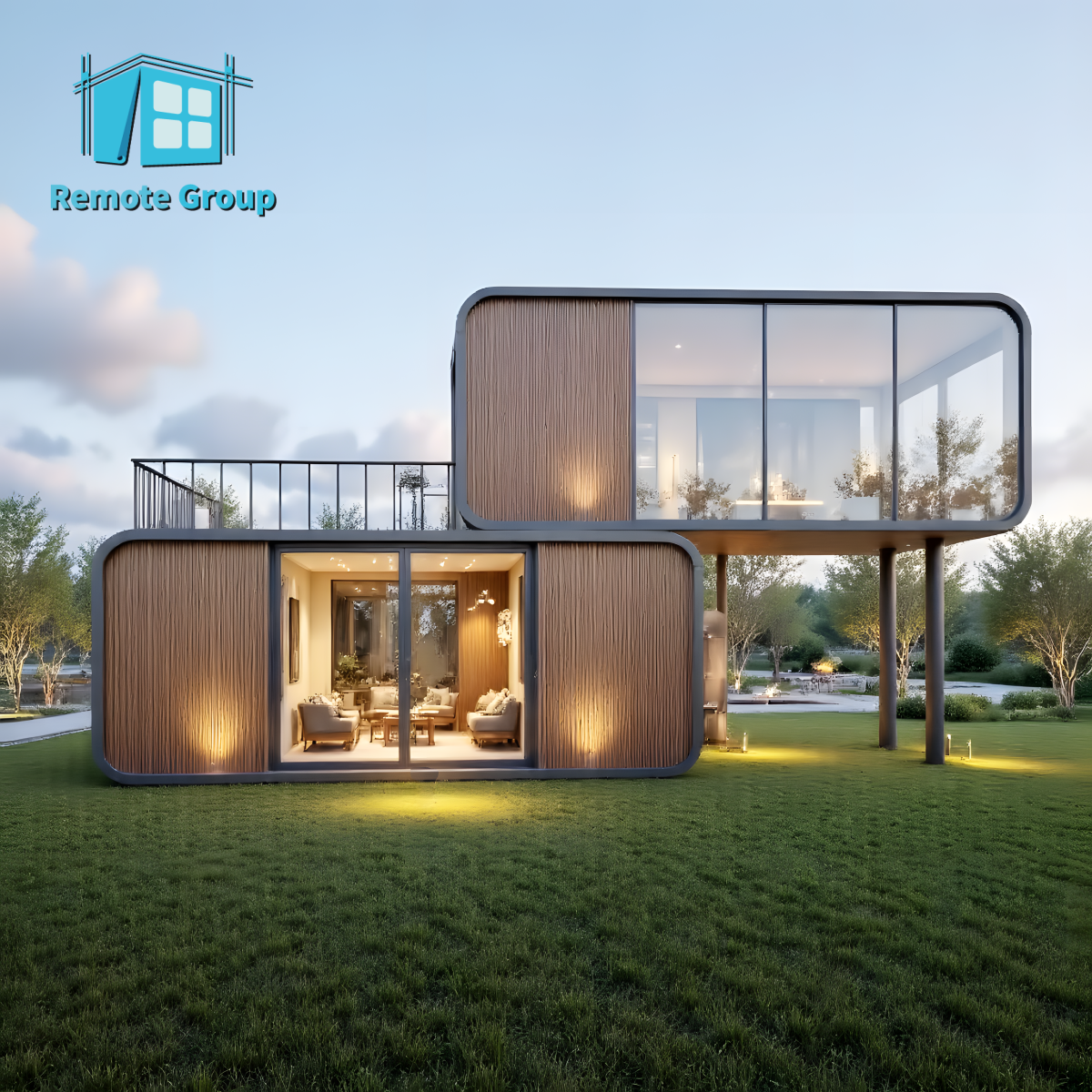
Modern Prefab House Styles: Minimalism, Innovation, and Structural Clarity
How Clean Lines and Smart Integration Define Contemporary Prefab House Design
Modern prefabricated homes tend to focus heavily on minimalistic looks combined with smart functionality. Straight clean lines help create a sense of balance throughout the space, making rooms appear larger than they actually are and letting in plenty of daylight at the same time. These designs cut down on visual messiness and really highlight those sharp geometric shapes we've come to associate with modern architecture. Many prefab houses include clever built-in elements like hidden storage compartments, lights embedded in ceilings, and furniture that's part of the wall itself. All these additions make day to day living easier without messing up the sleek appearance. Most designs skip traditional walls between rooms entirely, which saves space and makes navigation around the home much smoother. Big windows positioned just right also blur the boundaries between inside and outside spaces. What this all adds up to is a home that doesn't just look big but actually feels roomier, quieter, and just works better for most people who live there.
The Role of Engineered Materials (e.g., CLT) in Enabling Architectural Purity
Engineered timber like Cross-Laminated Timber (CLT) is changing what we can do with prefabricated homes both structurally and visually. The material has impressive strength relative to its weight, which means builders can create longer spans without support columns and make structural elements much thinner. This reduces reliance on internal load bearing walls, opening up space for cleaner, more open interiors. When manufactured with tolerances around 1-2mm, CLT panels fit together so well that joints are practically invisible, something architects love for minimalist designs. Another plus? These panels resist warping and moisture damage, keeping details looking sharp even years later. What makes CLT really stand out though is how it handles complicated shapes. Builders can create cantilevers and angular roofs that would be difficult with traditional materials, all while still ticking boxes for green building certifications from groups like FSC and ICC-ES AC358 standards.
Rustic and Farmhouse-Style Prefab Houses: Authenticity Through Natural Materials
Why Warmth, Texture, and Regional Craftsmanship Are Driving Rustic Prefab House Demand
People are starting to crave real, tangible stuff in their homes, which is changing how rustic prefabs get designed these days. More folks want to see actual materials instead of those fake finishes that just fall apart over time. Think about it: nobody wants plastic looking like wood when real wood has all those beautiful knots and imperfections. The trend really highlights what makes things authentic wood grains that aren't perfect, stones that develop color with age, even little tool marks from craftsmen become part of the design itself. Local craftsmanship plays a big role here too. When builders use timber cut right nearby or have artisans finish pieces in town, it tells a story about where the home came from while also helping out the community economically. No matter if someone builds this kind of house out in the country or sticks it into a city neighborhood, these homes focus on honest materials and small human touches woven throughout everything from fabric textures to handmade hardware and visible construction joints. These details create something people actually connect with emotionally rather than just another cookie cutter box.
Reclaimed Wood, Stone Veneer, and Timber Cladding as Signature Elements of Rustic Prefab House Aesthetics
Old wood is becoming a staple in rustic prefabs because it brings so much character to the table. Each piece tells a story through its natural grain patterns, old nail holes, and color variations that no factory can replicate. For those looking for something that feels grounded but doesn't break the bank, stone veneer works wonders. It gives that earthy look and some real staying power without all the weight and expense of actual stone walls. Great for things like baseboards around foundations, decorative areas around fireplaces, or even accent walls throughout the space. When it comes to exterior finishes, different types of wood cladding create interesting visual effects while standing up well against Mother Nature's challenges. Whether using simple overlapping boards, vertical strips, or that Japanese technique where they burn the surface (shou sugi ban), these options last years longer than most alternatives. The way these materials work together makes a big difference too. Think about how rough wooden beams complement smooth stone fireplaces inside, or how old ceiling planks stand out next to modern black metal hardware. And let's not forget those charred wood sides on buildings that somehow match perfectly with similar textures found in indoor woodworking projects. What really matters though is how all these elements change over time. Instead of falling apart, homes built this way actually get better with age, developing deeper stories as decades pass by.
Material Customization Strategies for Prefab House Builders and Homebuyers
Balancing Performance, Cost, and Sustainability Across Cladding Options (Colorbond®, Exposed Timber, Hybrid Stone)
Choosing exterior cladding for prefabricated homes really comes down to finding the sweet spot between how well it performs, what it costs initially, and whether it's good for the environment. Colorbond steel has stood the test of time, lasting around 40 years even in tough coastal areas where salt air would eat away at other materials. The price tag isn't too bad either, plus it needs very little upkeep once installed. Timber cladding gives buildings better insulation properties and creates that warm, natural feel people love, but it does need regular maintenance like sanding and painting if it's going to last decades without looking worn out. Stone veneers are becoming popular because they look just like real stone from afar but weigh about 30% less than actual stone walls. This means no extra support structures are needed inside the building frame. When materials come from responsible sources such as FSC certified wood, composite panels made with recycled content, or stones mined nearby rather than shipped across continents, these choices cut down on carbon footprint by roughly 15 to 22 percent compared to standard building practices according to recent green building reports. Many companies now offer online tools where both contractors and homebuyers can play around with different combinations to see how much money they'll spend over time versus how much energy their house will consume and what kind of environmental impact they're making before committing to any particular material choice.
Aligning Prefab House Material Choices with Climate, Site Context, and Local Building Codes
When picking building materials, we really need to think about what kind of environment they'll face plus all those regulations out there. For areas where wildfires are common, builders typically go for things that won't catch fire easily, such as fiber cement or metal panels which actually satisfy those tough Wildland-Urban Interface code requirements. Coastal areas hit by hurricanes need special glass that can take impacts and fasteners that pass certain tests according to ASTM standards. Moisture is another big concern too. In places with lots of humidity, walls need to let vapor escape so moisture doesn't build up inside. But dry regions work better with materials that store heat well, like rammed earth or thick stone walls that help control daily temperature changes. What's underfoot matters too. Clay soils that expand when wet usually mean going with helical piers or reinforced concrete slabs. And don't forget local laws either. They cover stuff from how high buildings should sit above flood levels (as set by FEMA) to making sure metal parts resist rust near saltwater (something like ASTM A153 Class D galvanizing). Some smart prefab companies have started incorporating location-based compliance checks right into their software systems, so specs adjust automatically depending on where exactly a project is located and what rules apply there.
FAQs
What are the benefits of modern prefab house designs?
Modern prefab house designs offer sleek aesthetics, smart functionality, utilization of space, and the integration of natural daylight, creating living spaces that feel roomier and more comfortable.
How does Cross-Laminated Timber (CLT) benefit prefab homes?
CLT offers durability, reduced reliance on internal load-bearing walls, and accommodates complex architectural shapes, making it ideal for eco-friendly and minimalist designs.
Why are rustic prefab homes gaining popularity?
Rustic prefab homes use authentic materials such as reclaimed wood and local craftsmanship, adding warmth, texture, and a connection with regional traditions and environments, which appeals emotionally to homeowners.
How do material choices affect prefab home sustainability?
Material choices for prefab homes affect sustainability through performance, cost, and environmental impact, with options such as FSC certified wood and recycled content reducing the carbon footprint.
What should be considered when selecting materials for a prefab house?
Builders must consider site context, climate challenges, local building codes, and environmental concerns to choose appropriate materials that ensure durability and regulatory compliance.