
 EN
EN
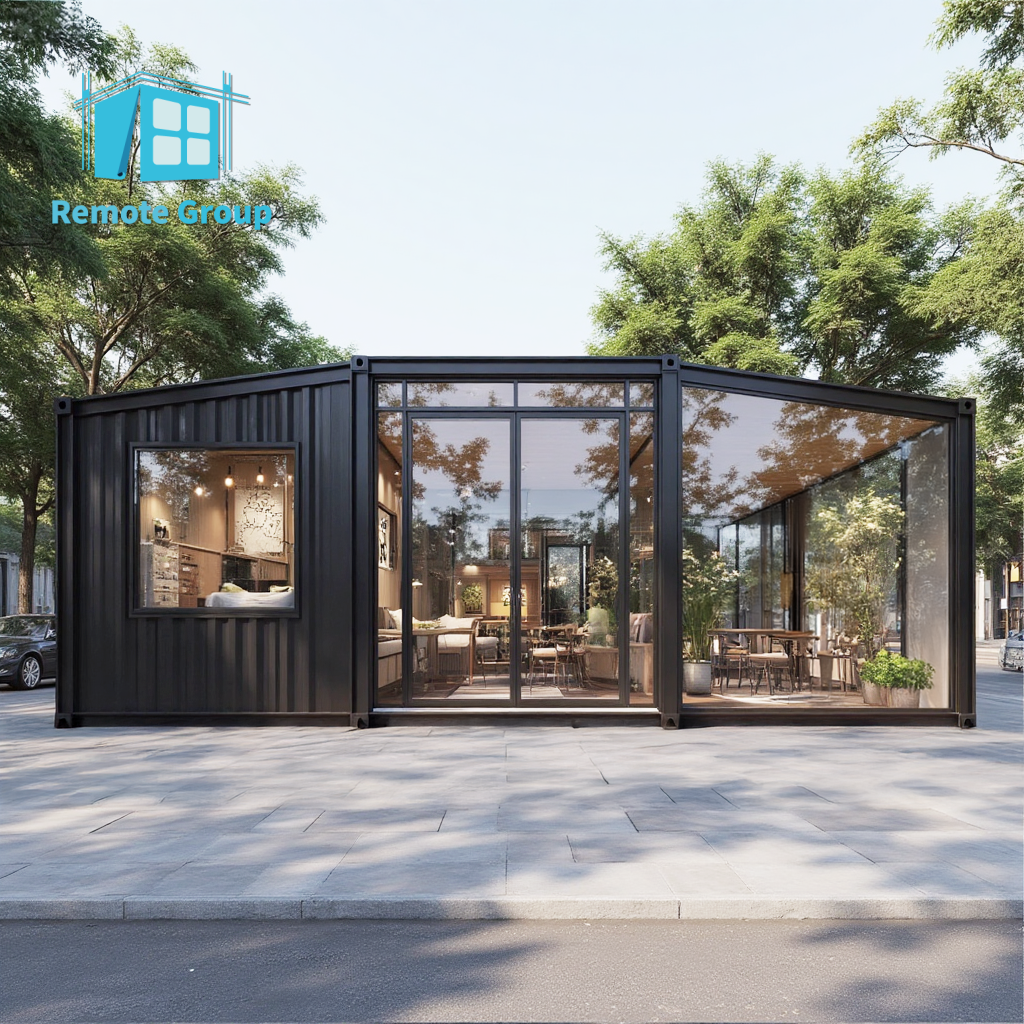
Structural Resilience: Engineered Safety Against Natural Disasters
Earthquake Resistance Through Precision-Engineered Connections and Diaphragm Design
When it comes to standing up against earthquakes, prefabricated homes have some serious advantages thanks to their special steel connections and those continuous diaphragm systems we keep talking about. The way these joints are built allows for some controlled movement when the ground shakes, which helps absorb all that energy through friction dampers and other parts designed specifically to yield at certain points. Think of floors, walls, and roofs working together like one big flat surface that spreads out sideways forces so nothing gets too stressed in one spot. According to research published in FEMA document P-749 back in 2010, buildings with this kind of integrated system suffer around 70% less damage than regular wooden houses during quakes. Some important things manufacturers need to focus on when implementing these designs include:
- Moment-resisting frames with bolted, slotted connections for predictable deformation
- Plywood shear walls secured with adhesive-enhanced nailing patterns to resist racking
- Continuous load paths from roof through wall framing to foundation
Hurricane and High-Wind Performance: Factory-Tested Assemblies and FEMA 320/361 Compliance
Factory-controlled manufacturing enables wind-tunnel validation and cyclic loading tests simulating Category 4 hurricane conditions (150+ mph winds), ensuring compliance with FEMA 320/361 storm shelter standards. Aerodynamic design minimizes uplift and pressure differentials through:
- Hip roof configurations that lower wind resistance and improve stability
- Hurricane straps anchoring roof trusses directly to reinforced wall framing
- Impact-resistant glazing rated to withstand 9 lb 2x4 debris at 34 mph
Wind load calculations exceed IBC requirements by 25% in coastal zones, with pressure mapping confirming uniform stress distribution across façades and roof planes.
Flood Mitigation in Prefab Homes: Elevated Foundations, Non-Porous Materials, and Integrated Drainage
Flood resilience relies on elevation, material selection, and active drainage. Foundations are elevated above Base Flood Elevation (BFE) using breakaway walls designed to collapse safely under hydrostatic pressureâpreserving structural integrity of the main living module. Non-porous, flood-durable components include:
| Material | Water Resistance | Application |
|---|---|---|
| Fiber-reinforced polymer | 96-hour submersion | Structural panels |
| Closed-cell foam | Zero absorption | Insulation core |
| Powder-coated steel | Corrosion-proof | Framing systems |
Integrated drainage combines French drains with 12% slope gradients and sump pumps capable of handling 5,000 GPHâreducing flood damage claims by 83% in designated floodplains (FEMA P-259, 2021).
Fire and Pest Resistance: Material Science and Design Integration
Non-Combustible and Fire-Retardant Materials in Prefab Home Construction
Prefab homes today have built-in fire safety features right from the materials used. Things like mineral wool insulation plus those special intumescent coatings (they're certified under ASTM E84 standards) can actually hold off structural collapse for about an hour to two hours, giving people precious time to get out safely. The gypsum boards mixed with glass fibers stay intact even when temperatures hit over 1000 degrees Fahrenheit. And the steel frames coated with powder resist heat better than wood does when things start getting really hot. What makes this whole system work so well is that everything gets made in factories where quality control matters. This means there are fewer problems with gaps between materials or compression issues that we often see in traditional on-site construction methods which can weaken fire protection.
Design Strategies for Fire Containment and Pest Exclusion
Prefab design goes beyond just materials, applying compartmentalization strategies that make buildings safer. Fire rated walls and assemblies keep units separated from each other and from vertical chase areas. At the same time, continuous thermal breaks along with properly sealed openings stop flames from spreading and also keep pests out. When it comes to foundation design, elevated structures often include stainless steel mesh barriers that stop those pesky subterranean termites. The concrete slabs used are specially formulated to wick away moisture, which helps prevent mold problems. For homes built in areas where wildfires are common, using non porous exterior materials combined with vents designed to resist embers can cut down on ignition risks by around 72 percent according to NFPA research from 2023. What this means is that what were once just passive parts of a building now work together as part of a comprehensive defense system against various threats.
Regulatory Assurance: Building Code Compliance and Factory Quality Control
When it comes to prefab homes, there's no shortage of regulations they need to pass. Standard building codes apply just like any other home, but manufacturers also have their own quality checks built right into the production process. Factory settings offer something traditional builders can't match though. Everything gets checked constantly during manufacturing from the materials used all the way through how panels fit together and modules are assembled. Independent inspectors come in regularly too, running tests that don't damage anything, like checking if welds hold up under stress or making sure insulation stays intact throughout walls. Meanwhile computers track measurements down to fractions of a millimeter. If something doesn't look right, problems get fixed before anything leaves the plant floor. According to recent data from 2023, this approach cuts down on construction flaws by around 30% compared to regular on-site building methods. Most importantly, these homes not only hit minimum safety standards set by IBC and IRC codes, many actually go beyond them, which gives homeowners peace of mind knowing their house was made with extra care.
Insulation as a Multifunctional Safety System in Prefab Homes
Mineral Wool and Intumescent Insulation: Passive Fire Barriers and Thermal Resilience
When it comes to prefab homes, good insulation does much more than just keep things warm or cool. Mineral wool stands out because it won't catch fire. This stuff can handle temperatures over 1,000 degrees Celsius before melting, making it great at stopping fires from spreading upwards through walls and ceilings. With an R-value between 3 and 4 per inch, mineral wool actually reduces heat transfer by about half compared to regular fiberglass insulation. That means better fire protection plus lower energy bills for homeowners. Another smart option is intumescent insulation which gets really interesting when exposed to heat. It expands up to twenty times its normal size, sealing cracks and gaps where smoke, oxygen, and heat might otherwise escape. These combined approaches help maintain the structural strength of buildings during emergencies while also cutting down on heating and cooling costs by roughly 20 to 30 percent. Pretty impressive when we think about how safety features can double as cost savers in today's prefab construction market.
FAQs: Prefabricated Homes and Natural Disaster Resilience
What makes prefabricated homes resistant to earthquakes?
Prefabricated homes use special steel connections and continuous diaphragm systems that allow for controlled movement during earthquakes. This design helps absorb and disperse energy, reducing damage by around 70% compared to traditional wooden houses.
How do prefab homes perform in hurricane conditions?
These homes undergo wind-tunnel validation and cyclic loading tests to simulate hurricane conditions, ensuring they can withstand Category 4 winds. Features like hip roof configurations and impact-resistant glazing help reduce uplift and pressure differentials.
Can prefab homes survive flooding?
Yes, prefab homes are designed with elevated foundations and use non-porous materials along with integrated drainage systems. These features contribute to reducing flood damage by up to 83% in designated floodplains.
What fire safety measures are included in prefabricated homes?
Prefabricated homes include fire-retardant materials like mineral wool insulation and gypsum boards that can withstand high temperatures. These homes also incorporate compartmentalization strategies to prevent the spread of fire.
Are prefab homes compliant with building codes?
Absolutely. Prefab homes adhere to standard building codes and undergo additional quality checks at factories. This system ensures compliance and reduces construction flaws by approximately 30% compared to on-site methods.
Table of Contents
- Structural Resilience: Engineered Safety Against Natural Disasters
- Fire and Pest Resistance: Material Science and Design Integration
- Regulatory Assurance: Building Code Compliance and Factory Quality Control
- Insulation as a Multifunctional Safety System in Prefab Homes
- FAQs: Prefabricated Homes and Natural Disaster Resilience