
 EN
EN
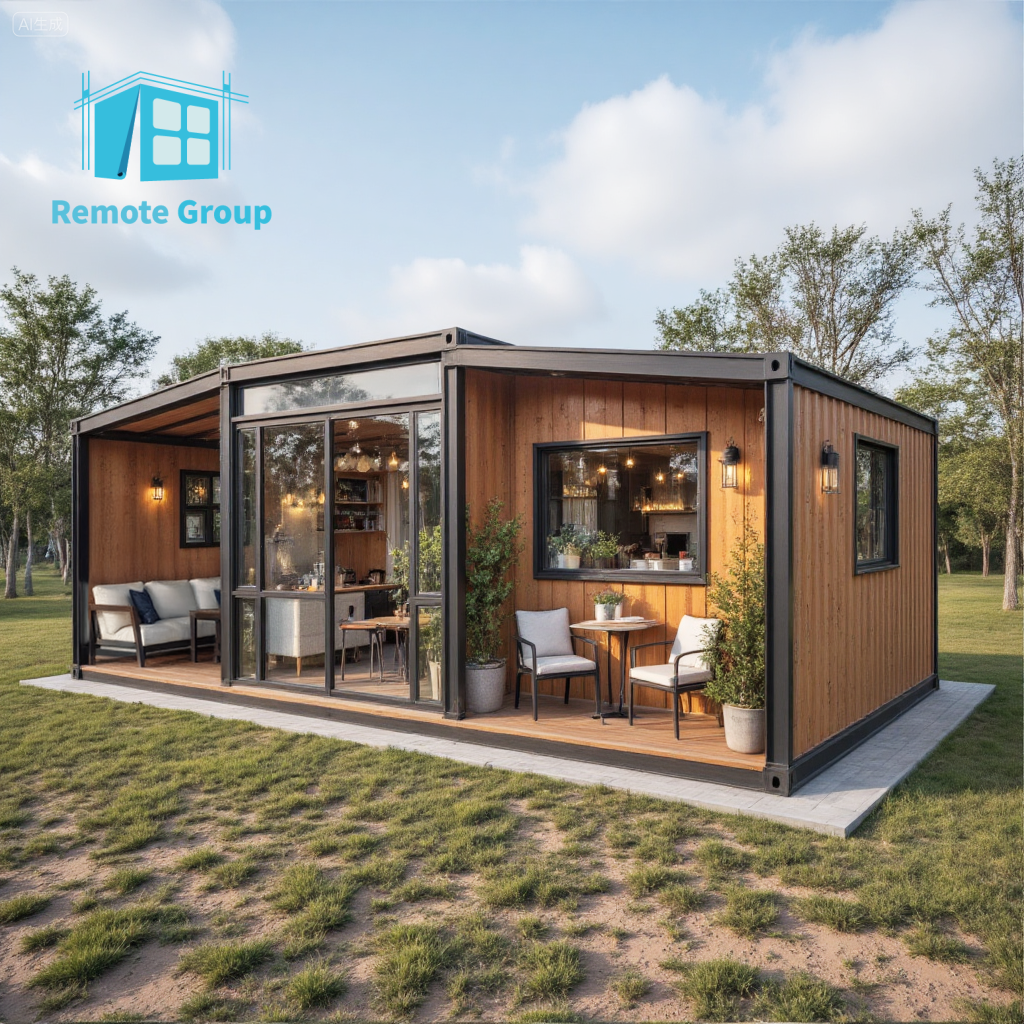
Lower Embodied Carbon and Waste Through Precision Factory Production
Factory built homes cut down on wasted materials much more than traditional construction does. When everything gets cut with machines and assembled following strict protocols, there just aren't as many leftover bits lying around. The factories themselves do a pretty good job recycling too. Most places say they can get rid of about 90% of whatever scrap remains after production, which apparently adds up to around 62% less overall waste according to some studies published back in 2022. Another big plus is how these methods help reduce carbon footprints. Since components are made in one location rather than shipped all over, transport needs drop significantly. Plus nobody has to deal with delays caused by bad weather at construction sites anymore because so much happens indoors where conditions are controlled.
How Off-Site Manufacturing Cuts Material Waste by Up to 62%
When building components are made inside rather than outside, the materials stay much safer from getting damaged by moisture and won't warp or shrink because of those annoying temperature changes we all know happen day to day. These days, digital fabrication equipment such as CNC routers can cut timber frames, insulation panels, and even cladding systems with almost surgical precision down to the millimeter mark. The beauty of having standardized designs is that companies can buy their raw materials in bigger quantities, often containing more recycled stuff too. This means less wasted material during procurement and helps create those so-called circular supply chains everyone keeps talking about these days. The whole industrial method really cuts down what ends up in landfills significantly, mainly because...
- Repurposing 95% of wood offcuts into particleboard or biomass fuel
- Recycling metal trimmings directly within supply chains
- Batch-mixing exact concrete volumes needed for foundations
| Environmental Impact | Traditional Construction | Prefab Homes |
|---|---|---|
| Material waste per 2,000 sq. ft. home | 8,000 lbs (U.S. EPA, 2023) | 3,040 lbs |
| Embodied carbon emissions | ~50 metric tons CO2e | ~35 metric tons CO2e |
Reduced Onsite Disturbance: Smaller Footprint, Faster Build, Less Erosion
Putting things together in factories cuts down on what happens at construction sites by around 70 to 80 percent, which means a much smaller environmental impact overall. The big machines work for less time too, so there's less damage to the ground and fewer disturbances to local wildlife habitats. These modular pieces come to site already about 90% finished, which speeds up building times by roughly 30 to maybe even 50 percent. That also helps stop erosion problems that happen when work drags on too long. Keeping construction entry points stable stops dirt and sediment from washing into nearby streams and rivers. And delivering materials exactly when they're needed keeps those piles of stuff from breaking down over time or causing harmful chemicals to leak out into the environment.
Superior Energy Efficiency and Net-Zero Readiness of Prefab Homes
Tightly Controlled Envelope Systems: Airtightness, Insulation, and Thermal Bridging Solutions
Prefab homes built with factory precision can be incredibly airtight, cutting down on drafts by almost 90% when compared to regular construction methods. These homes often use advanced insulation tech such as Structural Insulated Panels or SIPs which have really impressive U-values around 0.040 W/m²K at just 16 centimeters thick. This means less heat escapes through walls and roofs, and no more those annoying cold spots in corners of rooms. The continuous layer of insulation stops what builders call thermal bridging, basically the main way heat slips out through things like wooden studs in walls. When indoor temperatures stay steady throughout the day, heating bills drop dramatically too. Studies show savings between 60 to 90 percent according to energy models from places like Pacific Northwest National Laboratory back in 2021. And let's face it, factories provide much better control for sealing all those joints and holes properly something that just doesn't happen consistently when buildings are put together on site.
Passive House and Net-Zero Certification as Standard Pathways for Modern Prefab Homes
The connection between prefab construction and Passive House standards is pretty obvious when looking at those super low energy requirements under 15 kWh per square meter each year. Most prefab companies are starting to include things like solar ready roofing materials, heat recovery ventilation systems, and triple glazed windows right out of the box these days. According to figures released by PHIUS last year, around 95% of prefabricated designs can hit net zero status fairly easily. Their research even found that certified net zero prefab houses actually produce all their own operating energy needs through renewables, and some go beyond that creating extra electricity too. What makes this possible? Factory built components have several built in advantages for energy efficiency. Components are engineered with precision so there's minimal gaps where heat escapes, plus everything works together as an integrated system from day one. With regulations getting stricter everywhere from California's Title 24 rules to Europe's Energy Performance of Buildings Directive, these standardized methods help builders meet sustainability goals without breaking the bank on special custom work.
Sustainable Material Innovation in Prefab Home Construction
Prefab home construction is revolutionizing sustainability through advanced materials that minimize environmental impact while maximizing structural integrity and energy performance.
Cross-Laminated Timber (CLT) and Mass Timber: Low-Carbon Structural Alternatives
The construction industry is seeing a shift toward Cross-Laminated Timber (CLT) and other mass timber systems instead of relying on carbon-heavy concrete and steel products. Made from wood that comes from responsibly managed forests, these engineered materials actually lock away carbon during their entire life cycle, functioning like giant carbon storage units. According to recent studies by BuildingGreen in 2023, CLT panels can match the structural integrity of conventional building materials but cut down on embedded carbon emissions by around 40%. Plus, since they're manufactured precisely in factories under controlled conditions, there's significantly less waste generated compared to traditional on-site framing methods. Some estimates suggest waste reduction ranges between 30 to 50 percent, which makes these timber solutions increasingly attractive for projects aiming to reduce environmental impact.
Responsible Sourcing and Recycled Content in Insulation, Finishes, and Fixtures
Leading manufacturers prioritize responsible sourcing and high-recycled-content materials across all product categories:
- FSC-certified timber, verified to support forest regeneration and biodiversity
- Recycled steel in structural components—diverting 85% of scrap from landfills (Steel Recycling Institute, 2022)
- Low-VOC finishes, independently certified to meet California’s stringent CARB Phase 2 standards
- Cellulose insulation, containing 80%+ post-consumer recycled paper and delivering R-values competitive with fiberglass
These innovations reduce resource extraction while enabling end-of-life material recovery. For example, using recycled glass in countertops cuts manufacturing energy by 30% versus virgin materials—and avoids the emissions associated with silica mining and high-temperature melting.
FAQs
What is prefab construction?
Prefab construction, also known as prefabrication, involves manufacturing building components in a factory setting before assembling them on-site. This method reduces waste, enhances efficiency, and improves sustainability in construction.
How does prefab construction reduce environmental impact?
Prefab construction reduces the environmental impact by minimizing waste, decreasing carbon emissions due to less transportation needs, and lowering the disturbance of construction sites. It also promotes the use of sustainable materials and efficient energy usage.
Are prefab homes energy-efficient?
Yes, prefab homes are designed to be energy-efficient with features like airtight envelope systems, advanced insulation, and thermal bridging solutions. Many prefab homes meet Passive House standards, ensuring minimal energy requirements.