
 EN
EN
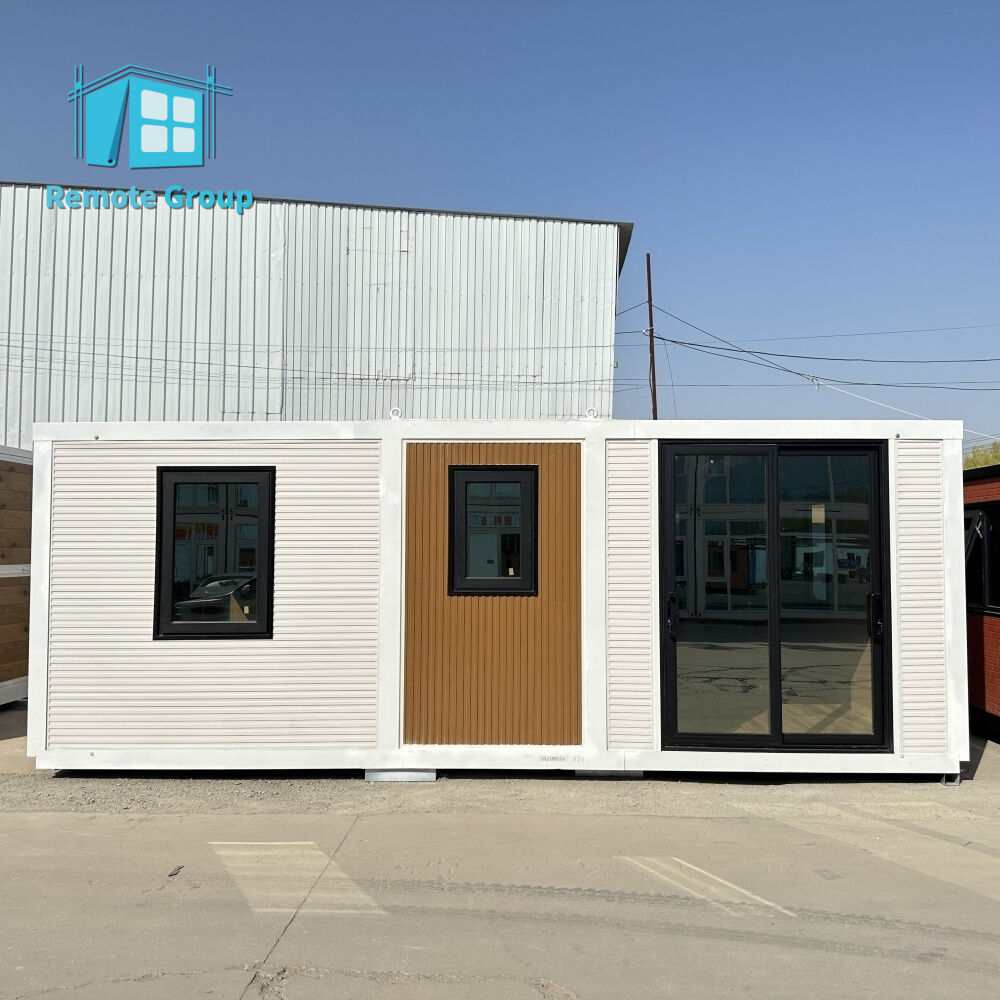
Maximizing Limited Space with Smart Layout Strategies for Container Houses
Open-Plan Zoning Without Walls: Creating Fluid Living Areas in 320–1,440 sq ft Container Footprints
Eliminating interior walls transforms compact container houses into expansive-feeling homes—especially critical in footprints ranging from a single 320 sq ft unit to multi-container configurations up to 1,440 sq ft. Strategic zoning replaces physical barriers without sacrificing function or structural integrity:
- Furniture-defined areas: Use sofas, low bookshelves, or freestanding cabinets to subtly separate living and dining zones
- Floor-level changes: Raise sleeping lofts 12–18 inches to create visual hierarchy and spatial definition
- Material transitions: Shift flooring materials—e.g., hardwood in lounging areas, tile in kitchens—to signal functional shifts
Studies indicate that open floor plans can make small spaces feel almost 27% bigger in buildings less than 500 square feet according to the Small Space Design Journal from last year. When designing these compact areas, keeping sightlines unbroken really helps spread out the natural light better something that matters a lot when dealing with those standard 8 foot wide shipping containers. Before tearing down any corrugated steel walls though, it pays to check with structural engineers first since not all containers carry weight the same way depending on how they're built.
Visual Expansion Techniques: Mirrors, Light-Reflective Surfaces, and Ceiling Height Optimization
There are several proven ways to make small spaces feel bigger when living in a container home. Putting mirrors across from windows works wonders for making rooms look deeper than they actually are. The reflection bounces sunlight around and gives the illusion of another room beyond what's there. Bright surfaces help too. Polished concrete floors or shiny acrylic walls can really brighten things up inside. Some tests show these reflective materials can boost light levels by nearly half compared to regular paint jobs. Lastly, focusing on vertical space makes a big difference. Tall bookshelves, hanging plants, or even ceiling details draw attention upwards instead of sideways, which tricks the brain into thinking the space is more expansive than it looks at first glance.
| Technique | Implementation | Impact |
|---|---|---|
| Ceiling height extension | Remove interior ceiling panels to expose container roof corrugation | Gains 6–10 inches of vertical space |
| Vertical cladding | Install floor-to-ceiling wood slats or linear tile patterns | Creates illusion of added height |
| Recessed lighting | Embed LED strips along ceiling perimeters | Eliminates bulky fixtures that compress space |
Used together—light-colored ceilings, reflective finishes, and vertical lines—these methods make standard 8.5-foot container interiors feel significantly taller and more open. Integrate them with clean-lined, multi-functional furniture to avoid visual clutter.
Multi-Functional Furniture Systems Designed Specifically for Container Houses
Space-Saving Transformable Solutions: Murphy Beds, Hydraulic Tables, and Fold-Down Desks with Real-World Load & Ergo Data
Smart furniture makes all the difference when it comes to making the most of limited space in container homes. Take Murphy beds for instance they literally disappear into walls or cabinets during the day, giving back around 60 to maybe even 100 square feet of usable floor space. These beds can hold quite a bit too, meeting safety standards for up to 1,000 pounds. Then there are those hydraulic tables that move smoothly from about 22 inches to nearly 46 inches tall perfect for meals, workstations, or extra storage space. When not needed, they tuck right against the wall without taking up any room at all. For people who need to work from home, wall mounted desks that fold down offer comfortable heights between 28 and 30 inches, which helps prevent back pain after sitting for hours. Every piece goes through rigorous testing with over 10 thousand cycles to ensure they last long term. In small living spaces where every inch counts, these multifunctional items cut down on mess and clutter by roughly 40 percent compared to regular furniture setups.
Integrated Storage Innovations: Staircase Compartments, Under-Floor Cavities, and Ceiling Pods
Container homes get way more out of their space by making good use of areas people often forget about for storage purposes. Take stairs for instance - some clever designs actually hide drawers right inside the steps themselves, giving homeowners anywhere from 8 to 15 cubic feet of hidden space perfect for storing bedding, snacks, or gardening gear. Beneath the floorboards there's another trick too. Shipping containers naturally have those corrugated sections about 12 inches deep, and smart builders install hinged panels so folks can access them easily when they need to store holiday decorations or other things not used every day. Up above, suspended ceiling pods mounted between beams offer an additional 4 to 8 cubic feet of overhead storage without cutting into valuable headspace. All told, these smart storage solutions can boost available storage space by around 25 to 30 percent in homes under 500 square feet, all while keeping the interior looking neat and open which makes living in smaller spaces feel much less cramped.
Bringing Light and Sustainability into Container House Interiors
Creating inviting, healthy interiors in container houses hinges on intentional daylighting and responsible material selection. These elements transform industrial steel shells into energy-efficient, human-centered homes.
Strategic Natural Light Design: Skylights, Thermal-Break Glazing, and UV-Filtered Glass (ASHRAE 90.1-2022 Compliant)
Smart daylighting can slash lighting costs by around 40 percent and makes spaces feel bigger while boosting how people feel inside. When we install skylights right where containers meet, they bring light straight down without messing with the building's look. The special glazing that stops condensation and keeps heat from moving too much is really important for buildings made of metal throughout all seasons. Glass that filters out UV rays helps protect furniture and artwork from getting faded, plus it ticks off the requirements in ASHRAE 90.1-2022 regarding temperature control. Buildings in cold areas benefit when windows face south to catch sunlight naturally during winter months. For places that get hot, adding shading solutions such as those automatic louvers outside keeps things from getting too warm. All these approaches work together to keep temperatures comfortable inside without needing so much help from heating and cooling equipment.
Eco-Conscious Material Selection: Reclaimed Wood, Low-VOC Finishes, and Recycled Metal Accents for Container Houses
Using sustainable materials helps protect the environment while also creating healthier spaces inside buildings. Old barn wood panels bring character and warmth to walls, plus they keep tons of debris out of landfills. When we use low VOC paints and adhesives instead of traditional ones, we cut down on those nasty chemical smells that hang around in small, enclosed spaces. Steel made from recycled scrap works great alongside existing container structures, which makes everything look cohesive and supports the idea of reusing resources. Bamboo floors are becoming really popular because they grow back fast and can handle a lot of wear and tear. Some tests show bamboo is actually three times tougher than regular oak wood. Spaces built with these eco-friendly choices often hit around 70 to 75 percent recycled or fast-growing materials according to green building certifications. What's nice is that these projects still last forever and don't sacrifice good looks for sustainability.
FAQ
What are the benefits of using open-plan zoning in container houses?
Open-plan zoning in container houses creates fluid and expansive-feeling living areas without sacrificing functionality. This approach avoids the need for interior walls, optimizes light distribution, and enhances spatial perception.
How can I make my container home feel larger?
Utilize visual expansion techniques such as incorporating mirrors, using light-reflective surfaces, optimizing ceiling height, and employing multifunctional furniture to maximize the perception of space in your container home.
What are some space-saving furniture options for container homes?
Consider multifunctional furniture like Murphy beds, hydraulic tables, and fold-down desks that maximize usability while saving space. These items are specifically designed to fit within the confined areas of container houses.
How can I sustainably design a container house?
To sustainably design a container home, select eco-friendly materials such as reclaimed wood, low-VOC finishes, and recycled metal. Optimize natural light and use energy-efficient solutions like skylights and UV-filtered glass.