
 EN
EN
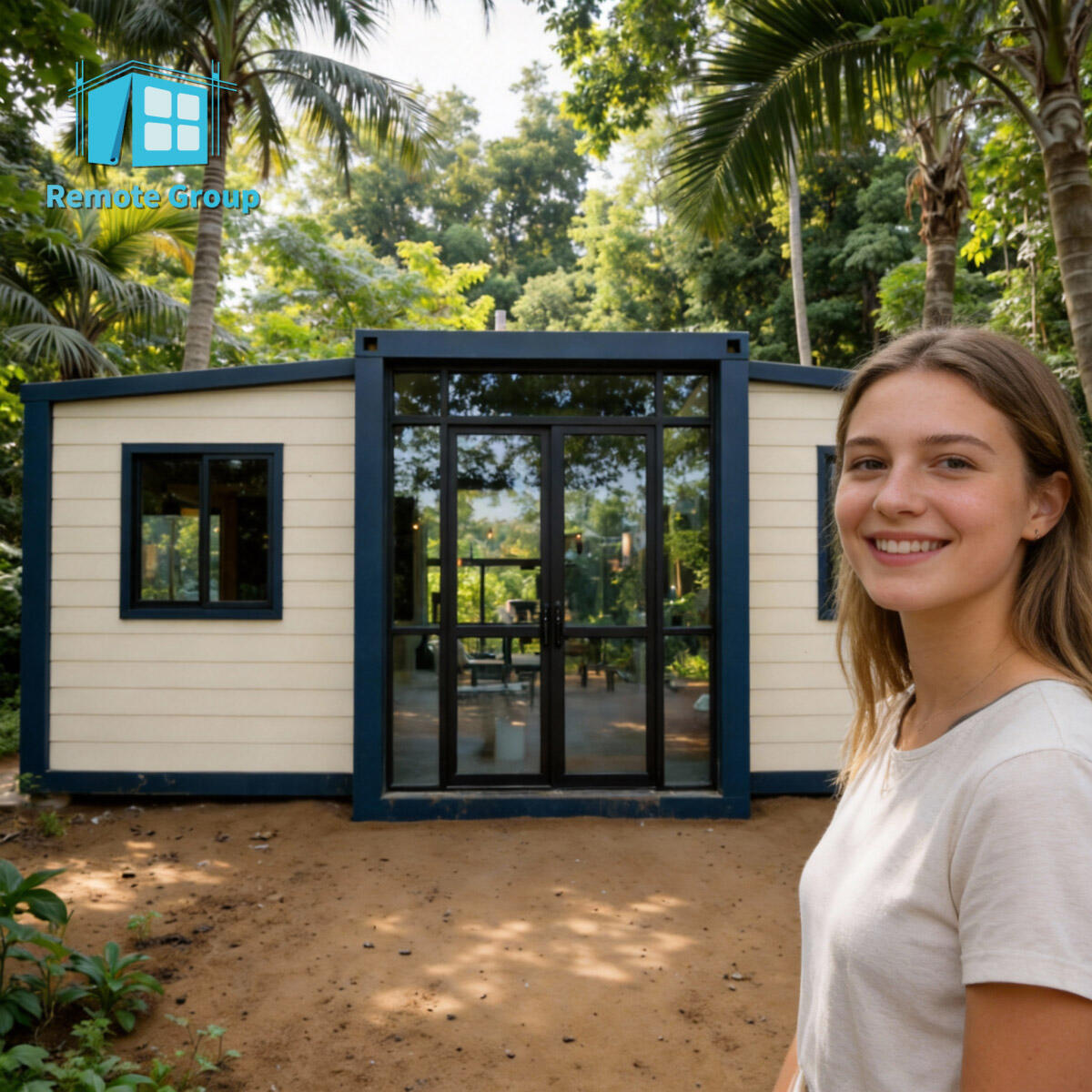
Why Shipping Container House Projects Reduce Environmental Impact
Building homes from shipping containers cuts down on environmental impact because they reuse materials already sitting around from industry. Regular construction eats up tons of resources, whereas taking old steel boxes and giving them new life actually keeps all that hidden energy intact. What's hidden energy? Well, it's basically all the power used when mining raw materials, making products, and shipping everything around the world. By not having to melt down fresh steel, we save somewhere between 60 to 70 percent of what would normally go into building something from scratch. These savings really add up across foundations, walls, and structural supports throughout the whole project.
Embodied Energy Savings from Repurposing Steel Containers
When we talk about reusing containers, we're actually talking about saving a lot of energy. The steel industry is responsible for emitting around 1.85 tonnes of carbon dioxide for every single tonne of steel produced. That's why when companies recycle their containers instead, they avoid all those emissions entirely. According to some industry studies from Ponemon back in 2023, there can be as much as $740,000 saved in energy costs over the entire life of a project. And let's not forget about the modular design aspect either. These containers cut down on site construction energy needs by roughly half compared to what we typically see with conventional building approaches. Less heavy machinery running means fewer emissions overall, which makes sense when looking at the bigger picture of sustainability efforts.
CO₂, Water, and Raw Material Use: Container vs. Conventional Construction
The sustainability gap widens when examining resource consumption:
| Aspect | Conventional Construction | Shipping Container House | Reduction |
|---|---|---|---|
| Raw Material Demand | High (new timber, concrete) | Minimal (repurposed steel) | 80–90% |
| Water Usage | 20–30k gallons per unit | 5–7k gallons per unit | ~75% |
| CO₂ Emissions | 50–70 tonnes per dwelling | 10–15 tonnes per dwelling | 70–80% |
Water stewardship extends beyond build phases: container homes' compact layouts inherently encourage efficient plumbing systems. Combined with avoided deforestation and concrete production—which contributes 8% of global CO₂—these homes demonstrate scalable ecological responsibility.
Operational Sustainability of a Shipping Container House
Energy Efficiency Through Insulation, Solar Integration, and Smart Systems
Shipping container houses get pretty efficient when owners make smart upgrades to cut down on heat loss. Insulation made from spray foam or old denim really helps seal those pesky gaps between steel containers, which means the heating and cooling systems don't have to work so hard. Putting solar panels on the roof is another big win for many people, typically cutting their reliance on regular electricity somewhere around 30 to 50 percent. Throw in smart thermostats that learn habits over time plus lights that turn off automatically when nobody's around, and these container homes end up using about 45 kilowatt hours per square meter each year. That's actually about 30% less than what most traditional homes consume, making them quite an attractive option for eco-conscious builders looking to reduce their environmental footprint without breaking the bank.
Water Stewardship: Rainwater Harvesting and Greywater Recycling in Compact Layouts
Space-efficient designs prioritize water conservation using:
- Rainwater catchment systems, yielding over 1,000 gallons monthly from a standard 40-ft container roof
- Greywater filtration for toilet flushing or garden irrigation
- Low-flow fixtures reducing consumption by 40% versus standard housing
These closed-loop systems slash municipal water reliance, with some units achieving 60% self-sufficiency in arid climates.
Mobility, Speed, and Adaptability: The Core Advantages of a Shipping Container House
Rapid Deployment Across Urban, Suburban, and Remote Sites
Shipping container houses go up much quicker than regular buildings most of the time, sometimes in just a few weeks when traditional methods would take months. The steel containers come pre-built so they're basically ready to install right away, with folks just adding things like insulation and connecting utilities on site. Because they save so much time, these containers work great in all sorts of places. Think tight city lots where space is at a premium, backyard setups in suburbs, even out in the middle of nowhere where there's no grid connection. Want to move location later? No problem. Containers can be hauled away and set up somewhere else when circumstances change. Plus, since many designs follow standard specifications, getting permits tends to be smoother too. When there's a housing crisis or after a disaster hits, this fast deployment really matters. Whole neighborhoods can get built out in record time. And let's not forget the money saved either. Modular construction skips a lot of the ground prep work that traditional building requires, cutting labor expenses down around 30% according to industry reports.
Addressing Common Misconceptions About Shipping Container House Eco-Friendliness
People keep talking about shipping container houses as green alternatives, but there's actually quite a bit of misinformation floating around. Many folks think just because something was once a cargo container it must count as recycled building material. The reality? Containers still fit for ocean transport often end up getting sold off for home projects instead. What happens next creates a problem though. When we take these useful containers out of circulation early, manufacturers simply make more to replace them. And let's not forget those energy hungry steel mills churning out fresh containers. So what starts as an eco-friendly idea ends up needing more resources than it saves in many cases.
Another persistent belief suggests the steel framework inherently delivers energy efficiency. Without proper modifications, these metal structures conduct external temperatures rapidly. This thermal transfer forces higher HVAC consumption in extreme climates. Effective insulation systems and passive solar design are essential to achieve true operational savings.
The eco-footprint also depends heavily on transportation logistics. Relocating containers over long distances generates substantial CO₂ emissions. Sourcing units locally and minimizing site deliveries significantly reduces this impact. Thoughtful planning transforms potential environmental drawbacks into net sustainability gains.
FAQ
What are the main environmental benefits of shipping container houses?
Shipping container houses reduce the need for new materials, save energy on production, and significantly cut down on CO₂ emissions, water usage, and raw material demand compared to conventional construction methods.
What modifications are necessary for shipping container houses to be energy efficient?
Key modifications include proper insulation to minimize temperature transfer, solar panel installation, smart systems for energy management, and the use of water conservation strategies like rainwater harvesting and greywater recycling.
Are shipping container homes easily transportable?
Yes, one of the advantages of shipping container homes is their mobility. They can be moved and redeployed with relative ease across various sites, making them adaptable to changing circumstances.
Do shipping container houses require local sourcing to be eco-friendly?
While not essential, locally sourcing containers can reduce the carbon footprint associated with transport, leading to greater overall sustainability.