
 EN
EN
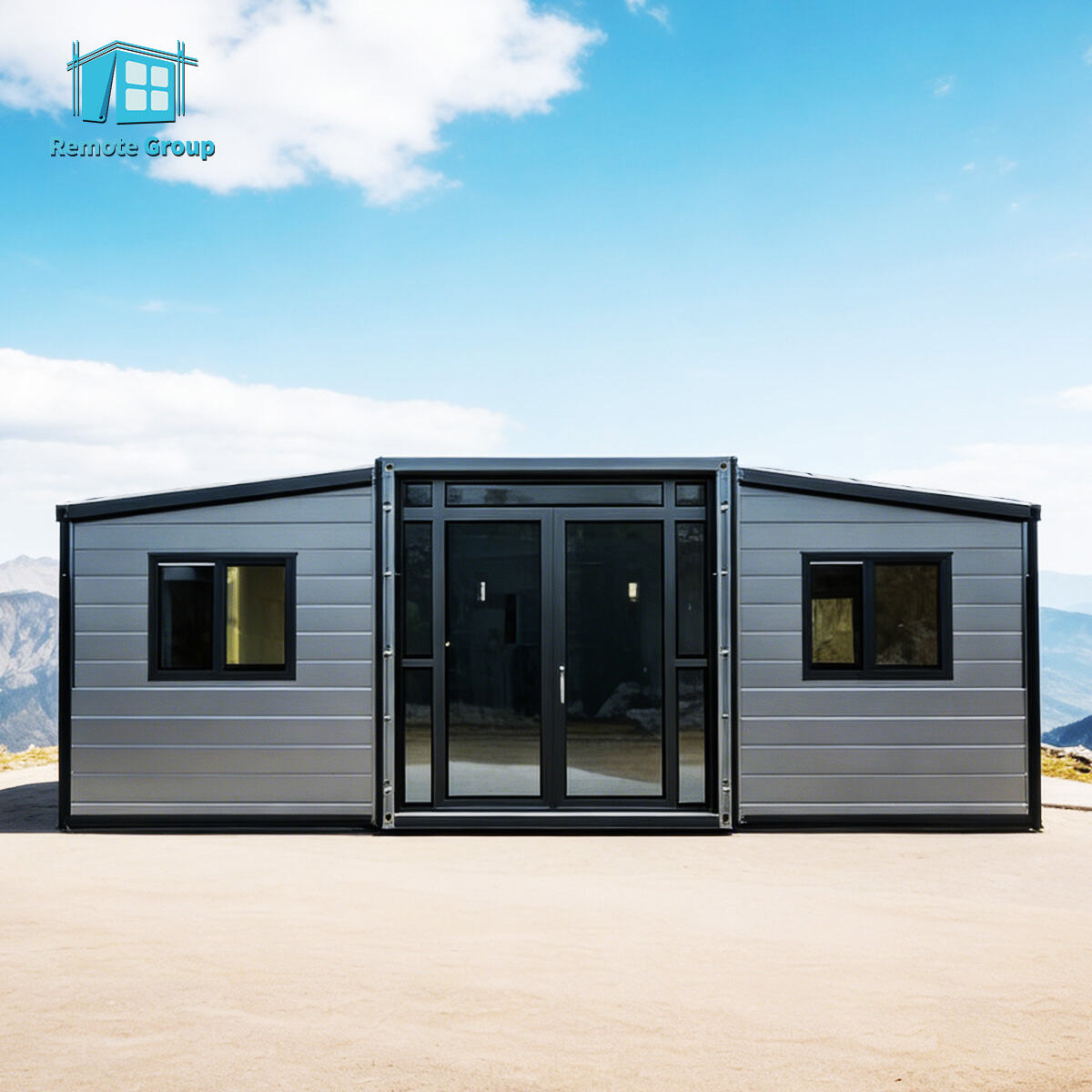
Accelerated Project Delivery with Prefab Houses
Reduced On-Site Timeline: From 6–12 Months to 3–6 Months
Prefab houses can slash construction time by around half to three quarters when compared with regular building methods. The whole process works differently because everything happens at once in factories while crews get ready on site for foundation work. No more waiting around for bad weather to pass or dealing with all those scheduling headaches that plague normal construction jobs. According to what we see across the industry, these modular homes become watertight within weeks instead of taking months as traditional builds do. What does this mean practically? Instead of expecting a year or so for completion, most people find their new home ready in just three to six months flat.
Factory Precision and Parallel Workflow Eliminate Weather & Coordination Delays
When robots handle manufacturing tasks, components line up almost perfectly every time, which cuts down on the need for fixing things later. With digital designs integrated into the process, builders can actually install structural parts, wiring, and other systems right at the factory before shipping out modules. This approach saves headaches when everything arrives on site because most of the hard work is already done. Keeping materials in temperature controlled warehouses also helps prevent problems like wood swelling from humidity or metal bending in extreme weather conditions that often plague traditional construction sites. All these factors combined mean factories can keep producing consistently throughout the year regardless of what's happening outside their walls.
Case Study: One Manufacturer’s 1,200 Net-Zero Prefab Houses Delivered in 14 Months
A nationwide push for net zero homes managed to put 1,200 energy efficient units into operation across various locations within just 14 months, which is about 60 percent quicker compared to traditional building approaches. The construction relied heavily on Structural Insulated Panels (SIPs) combined with built-in solar panels, something that could be produced away from the actual construction site while the groundwork was still happening. By sticking to standard design templates, the whole permitting process got sped up around 30% overall. Another clever move involved installing plumbing systems ahead of time, which really helped tackle the shortage of skilled workers in different regions. Every single home met air tightness requirements under 1.0 Air Changes per Hour at 50 Pascals pressure, going well beyond what the Passive House Institute considers acceptable standards for efficiency.
Cost Efficiency and Labor Resilience Through Prefab House Manufacturing
15–25% Lower Total Cost via Standardization, Waste Reduction, and Reduced Rework
When it comes to cost savings, prefab construction typically brings down overall project expenses by somewhere between 15 to 25 percent. This happens mainly because everything gets standardized ahead of time, there's less wasted materials, and we see fewer instances where things need to be redone. The factory setting really helps cut down on material waste too, maybe around 65% less than what we usually see in traditional building methods. Plus, when parts are made with precision machinery, those pesky measurement mistakes disappear, which means about 30% fewer problems that require fixing later on. And let's not forget about the other factors either. Buying materials in bulk saves money, workers tend to be more productive since they're not dealing with unpredictable conditions, and nobody has to wait around for bad weather to pass before getting back to work. All these things combined make prefab construction a smart choice for anyone looking to keep their budget under control.
- Standardized components enable volume discounts on materials
- Reduced rework through quality-controlled assembly lines
- 65% less waste via computer-aided material optimization
Mitigating Skilled Labor Shortages: 40% Fewer On-Site Trades Required
When manufacturing happens in factories rather than on site, it cuts down on the need for local labor by around 40%. The work gets shifted to specialized technicians who operate in controlled settings. One skilled worker in these facilities can handle what would normally take several people working at construction sites. This approach helps tackle a big problem facing the U.S. construction sector right now. Industry experts predict we'll be short about 650 thousand skilled workers by 2026. By completing roughly 80% of the assembly work before anything arrives on site, construction projects become much less vulnerable to local labor shortages. Plus, this method typically speeds things up quite a bit, cutting project timelines anywhere from 30% to maybe even 50% in some cases.
Sustainability Leadership Enabled by Prefab Houses
65% Less Construction Waste and 30% Lower Embodied Carbon vs. Traditional Methods
The prefab manufacturing approach actually helps the environment quite a bit because it's so precise with materials and processes. Builders using prefabrication end up creating about two thirds less construction waste compared to traditional methods. When companies standardize where they get their materials, streamline how things move around, and keep production in one central location, this cuts down on what's called embodied carbon. That's basically all the greenhouse gases released during extracting raw materials, making them into products, and shipping everything to site. Studies from NIST show these improvements cut those emissions roughly 30%. And there's more good news too. Buying large amounts of wood that has been certified as sustainably harvested plus using steel that's been recycled instead of newly made makes an even bigger difference for our planet's health.
Circular Integration: Reusable Tooling, Material Take-Back, and Digital Twin–Guided Deconstruction
Top prefab companies are building circularity right into their processes from day one. Instead of using throwaway formwork, they opt for molds and jigs that can be used again and again. Many also run material take-back programs where leftover pieces get collected for either reuse or proper recycling. Digital twin technology plays a big role too these days. These virtual copies of actual homes help guide how buildings should be taken apart efficiently later on. The systems keep track of everything from what materials were used to how different components connect together, which makes selective disassembly possible. Take steel frames and cross laminated timber panels as good examples. When it comes time to dismantle a structure, these components can often be pulled out whole and put to work in completely new projects. This approach extends the life of resources by many years, sometimes even decades, before they need to be replaced entirely.
FAQ Section
What are the main advantages of prefab houses over traditional construction?
Prefab houses offer reduced construction timelines, cost efficiency through standardization and waste reduction, and enhanced sustainability with lower construction waste and embodied carbon.
How much faster is prefab construction compared to traditional methods?
Prefab construction can be completed in 3 to 6 months, compared to 6 to 12 months for traditional methods, effectively cutting the timeline in half or more.
How does prefab construction address skilled labor shortages?
Prefab construction requires around 40% fewer on-site workers by shifting much of the work to controlled factory settings, thus reducing dependence on local skilled labor.
What environmental benefits do prefab houses offer?
Prefab houses create about 65% less construction waste and reduce embodied carbon emissions by approximately 30% compared to traditional construction methods.