
 EN
EN
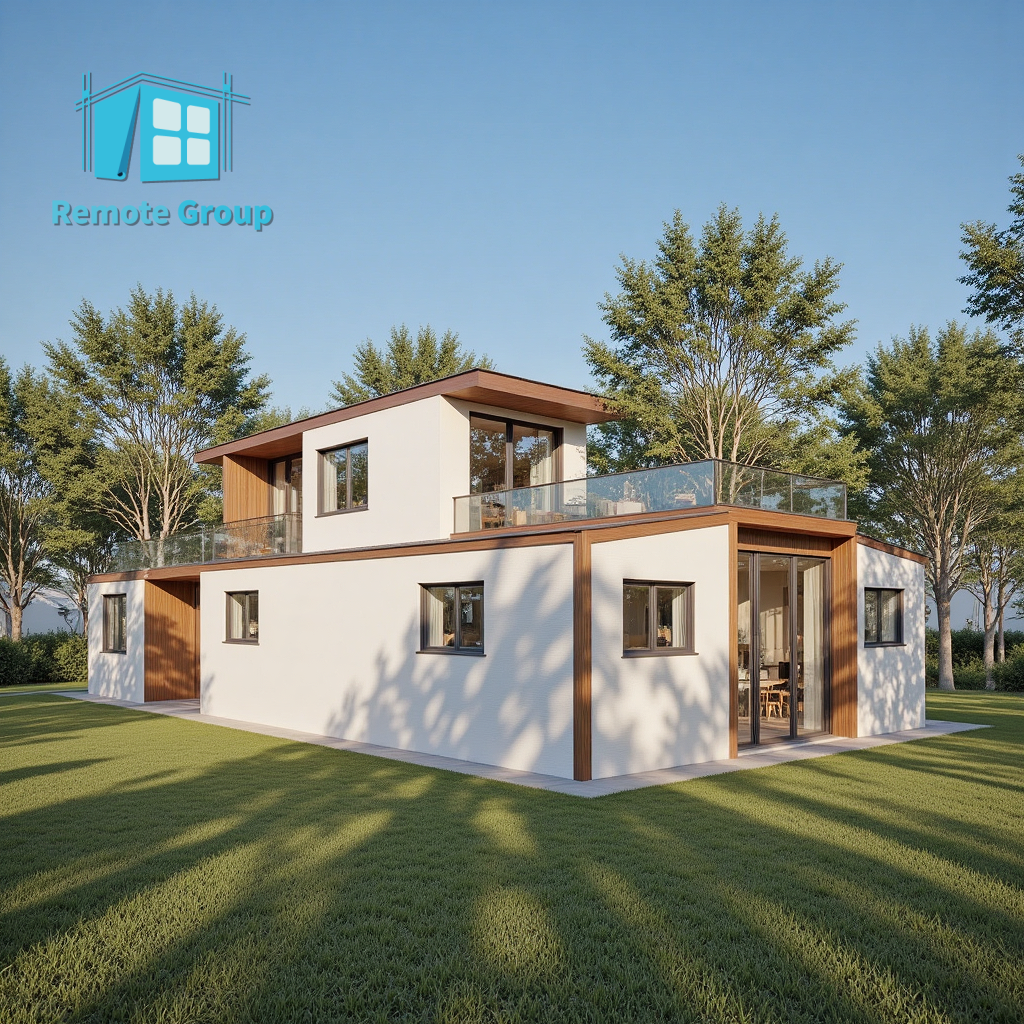
Why Prefab Home Additions Save Time, Money, and Energy
30–50% Faster Build Time: How Offsite Fabrication Accelerates Project Completion
Factory construction eliminates weather delays and enables parallel workflows—site preparation happens simultaneously with module fabrication. Controlled environments support precise assembly-line processes, reducing errors that trigger rework. As a result, your addition completes in weeks rather than months, significantly minimizing family disruption. While foundations are poured onsite, walls, roofing systems, and even pre-wired electrical panels are manufactured offsite—slashing traditional build timelines by up to half. Crane-assisted placement often completes structural work in days, further compressing the schedule and lowering labor overhead.
Predictable Budgeting: Labor Efficiency, Material Optimization, and Waste Reduction
Factory precision cuts material waste by 15–30% through computer-guided cutting and bulk purchasing (Modular Construction Efficiency Report 2023). Skilled technicians work in centralized facilities—eliminating travel time, weather-related wage premiums, and inconsistent subcontractor availability. This control helps avoid common budget overruns from weather delays, onsite measurement errors, and last-minute change orders. Batches of identical components streamline quality assurance, while standardized designs lock in material pricing early—giving you greater cost certainty before ground is broken.
Built-In Energy Savings: Superior Insulation, Air Sealing, and Reduced HVAC Demand
Factory-built modules achieve tighter air sealing than field construction—reducing air leakage by up to 50%. Robotic applicators install continuous insulation layers without gaps or compression, and triple-pane windows undergo factory performance testing before shipment. This precision lowers heating and cooling loads by 20–40%, shrinking required HVAC equipment size and ongoing utility costs. Crucially, consistent framing techniques and advanced sheathing methods prevent thermal bridging—where structural elements conduct outdoor temperatures indoors—making the entire building envelope significantly more efficient.
Designing Your Prefab Home Addition for Function and Fit
Popular Configurations: Mother-in-Law Suites, Guest Wings, and Multi-Gen Living Spaces
Prefab home additions solve space constraints through specialized configurations that balance privacy, accessibility, and adaptability. Mother-in-law suites offer independent living quarters with separate entrances, kitchenettes, and ADA-compliant features—ideal for aging relatives or rental income generation. Guest wings provide dedicated visitor accommodations with ensuite baths, preserving household privacy during extended stays. Multi-generational living spaces combine shared communal areas like kitchens and living rooms with sound-isolated private zones, supporting evolving family needs—including remote work, caregiving, or blended households. These modular solutions scale to fit diverse lot sizes, with 72% of manufacturers reporting rising demand for flexible layouts that support modern lifestyle shifts.
Attached vs. Detached: Structural Integration, Utility Connections, and Architectural Harmony
Choosing between attached and detached prefab additions involves strategic trade-offs:
- Structural Integration: Attached units require precise foundation alignment and load-bearing wall modifications to integrate safely with existing structures; detached units use independent footings but avoid altering your home’s structural system.
- Utility Connections: Attached additions typically share existing HVAC, plumbing, and electrical infrastructure—reducing installation costs by 15–30%. Detached units often require new utility lines, septic upgrades, or well expansions, adding complexity and expense.
- Architectural Harmony: Matching rooflines, exterior cladding, window profiles, and trim details ensures attached additions blend seamlessly. Detached designs allow greater stylistic flexibility but still require intentional landscaping, hardscaping, and pathway integration to unify the property visually.
Both options demand rigorous site planning—not only for zoning setbacks and drainage but also for long-term maintenance access and future expansion potential.
Navigating Permits, Zoning, and Code Compliance for Prefab Home Additions
ADU Regulations, Setback Rules, and Deed Restrictions That Impact Prefab Feasibility
Prefab home additions must comply with local ADU (Accessory Dwelling Unit) regulations, which govern secondary residential units on single-family lots. These rules vary widely by jurisdiction and commonly specify maximum square footage, owner-occupancy requirements, parking mandates, and minimum lot size thresholds. Setback rules—defining required distances from property lines, streets, or existing structures—directly constrain placement options and may necessitate design revisions. Deed restrictions or HOA covenants can further limit feasibility through aesthetic guidelines, prohibitions on modular or prefab construction, or bans on rental use. Early verification of these requirements—ideally before selecting a floor plan—is essential to avoid costly redesigns, permit denials, or construction stoppages.
Financing, Appraisal, and Long-Term Value of Prefab Home Additions
Prefab home additions qualify for conventional mortgages, FHA loans, and construction-to-permanent financing—many lenders now offering streamlined underwriting for certified modular builds. Appraisals typically occur post-construction, evaluating both the added structure and its contribution to overall property value. Long-term financial advantages include measurable energy savings—from optimized insulation and air sealing (reducing HVAC demand by 15–30%), lower maintenance costs due to factory-controlled material quality and consistent installation, and stronger resale appeal driven by sustainable, modern design. In high-risk regions, optional hurricane-resistant or fire-hardened upgrades can yield 10–20% lower insurance premiums while enhancing durability. Over a 15-year horizon, these efficiency gains and risk-mitigation benefits typically deliver higher ROI than traditional site-built additions—and prefab units appreciate comparably in secondary markets, supported by standardized quality benchmarks and growing buyer preference for energy-efficient, low-carbon housing.
FAQ Section
What is a prefab home addition?
A prefab home addition involves adding new space to your existing home using factory-built modules. These modules are constructed offsite and then transported and assembled on your property.
How do prefab additions save time compared to traditional building methods?
Prefab additions reduce build time by allowing for parallel workflows. While the site is prepared, modules are fabricated in a controlled environment, eliminating weather delays and reducing errors that could cause setbacks.
Are prefab additions more cost-effective?
Yes, prefab additions are often more cost-effective due to reduced material waste, more efficient labor conditions, and early locking of material pricing, which helps avoid budget overruns.
Can prefab additions improve energy efficiency?
Prefab additions can achieve superior energy efficiency through better air sealing, insulation, and reduced HVAC demand, which results in lower energy costs.
Is it difficult to get permits for a prefab home addition?
Obtaining permits for prefab home additions requires compliance with local regulations, including ADU rules and setback requirements. Early verification of these requirements can make the process smoother and prevent costly delays.