
 EN
EN
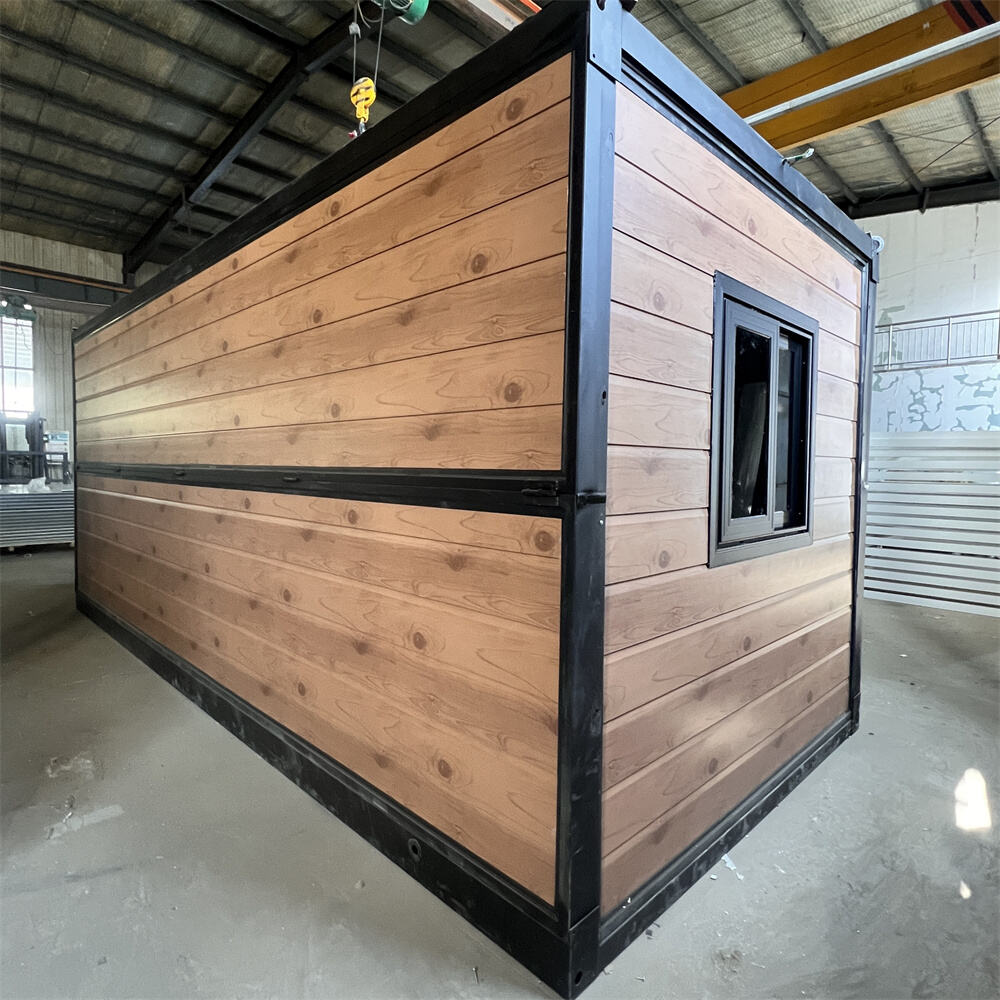
Why Prefabricated Houses Accelerate Disaster Recovery
Time Savings: From Design to Occupancy in Days, Not Months
Prefabricated houses compress disaster recovery timelines from months to days. While traditional site-built construction proceeds sequentially—site prep, foundation, framing, utilities, finishing—prefab units are manufactured off-site in parallel with ground preparation. This dual-track workflow enables fully habitable homes to be deployed within 72 hours of disaster declaration. Controlled factory conditions eliminate weather delays, support round-the-clock production, and ensure consistent output. Standardized components further streamline logistics and on-site assembly. The result is not just speed—it’s dignity: immediate, dignified shelter that replaces inadequate temporary measures like tents before health and safety risks escalate.
Factory Precision and Quality Control Under Pressure
Factory-built housing delivers reliability where it matters most: under crisis conditions. Unlike volatile disaster zones, controlled manufacturing environments enforce rigorous, repeatable quality protocols—including structural inspections, material testing, and code compliance verification at multiple checkpoints. Components are engineered to exceed baseline building standards, with verified performance for wind resistance up to 150 mph and seismic resilience per ASCE 7-22. This precision prevents common on-site failures such as moisture intrusion, thermal bridging, or inconsistent load-bearing integrity. Independent disaster housing assessments confirm factory-built units exhibit 40% fewer defects than emergency site-built alternatives—proving that speed need not compromise safety or durability.
Scalable Deployment of Prefabricated Houses for Mass Displacement
Modular Standardization Enables Rapid Scaling Across Regions
Modular standardization is the engine of scalable disaster response. Identical, certified components—walls, roofs, windows, utility interfaces—allow simultaneous production and deployment across geographically dispersed locations. A single high-capacity factory can supply housing for thousands while field teams focus exclusively on site readiness. This model proved decisive after Typhoon Haiyan: 1,200 prefabricated units were operational in three weeks—compared to eight months or more for conventional reconstruction. Standardization also accelerates volunteer mobilization, simplifies spare-parts logistics, and maintains continuity when disrupted supply chains limit customization options.
Turnkey Prefabricated House Solutions: Site Prep, Utilities, and Furnishing Included
Scalability requires integration—not just housing units, but complete living solutions. Leading prefab systems now deliver turnkey deployments: foundations, utility interconnections (power, water, waste), and essential furnishings arrive pre-engineered and coordinated. After the 2023 Türkiye earthquakes, agencies deployed self-contained units featuring integrated solar arrays and point-of-use water filtration—cutting on-site labor by 70%. Units included foldable furniture, bedding, and kitchen kits, enabling full occupancy within 48 hours of arrival. This holistic approach directly addresses a key UNHCR finding: fragmented service delivery delays effective shelter provision by three to five weeks during mass displacement—time that prefabricated turnkey systems recover.
Proven Impact: Prefabricated Houses in Real Disaster Responses
Hurricanes, Earthquakes, and Wildfires: Lessons from Turkey/Syria, Hurricane Helene, and California Fires
Real-world responses validate prefabricated housing as a resilient, adaptable lifeline. Following the 2023 Turkey/Syria earthquakes—which displaced 1.5 million people—modular steel-frame units provided rapid, code-compliant shelter in rubble-choked urban areas where traditional rebuilding was impossible. During Hurricane Helene, pre-assembled units bypassed flooded roads and damaged ports, delivering habitable homes to isolated communities within days. In California wildfire zones, fire-resistant prefab homes—certified to ASTM E119 and NFPA 259—were deployed to evacuation centers, offering durable, safe refuge amid ongoing ember threats. Across these distinct hazards, standardized manufacturing, transport efficiency, and rapid on-site integration consistently enabled life-saving scalability.
Overcoming Barriers to Widespread Adoption of Prefabricated Houses
Despite proven impact, adoption barriers persist—and require targeted, evidence-based solutions. Misconceptions about quality can be countered through public demonstrations of third-party certifications (e.g., ICC-ES Evaluation Reports, NAHB Green Certified) and transparent performance data from real deployments. Financing gaps demand innovation: specialized disaster-recovery loan programs—developed via public-private partnerships—can de-risk lending for prefab solutions. Regulatory fragmentation remains a bottleneck; harmonizing national building codes for modular construction (as proposed in the U.S. Department of Housing and Urban Development’s 2023 Modular Construction Initiative) would accelerate permitting without compromising safety. Transportation constraints and skilled labor shortages call for regional manufacturing hubs and workforce development aligned with industry standards like ANSI A208.1. Finally, upfront capital for factory infrastructure warrants government incentives—including tax credits and grant-matching programs—to catalyze scale. Sustained industry collaboration on design standardization and shared best practices will be essential to embed prefabricated housing as a foundational element of national disaster resilience strategy.
Frequently Asked Questions
What are the main advantages of using prefabricated houses in disaster recovery?
Prefabricated houses offer time savings, quality control, and scalability, allowing for quick deployment in disaster-stricken areas. They provide immediate and dignified shelter, surpassing traditional measures like tents.
How can prefabricated houses maintain high-quality standards?
Factory settings ensure rigorous quality control protocols, from structural inspections to material testing, guaranteeing better performance in crisis conditions.
Are prefabricated solutions effective in diverse disaster scenarios?
Yes, they've proven effective in hurricanes, earthquakes, and wildfires, demonstrating resilience and adaptability across various disaster types.
What barriers exist to the widespread adoption of prefabricated housing?
Barriers include quality misconceptions, financing gaps, regulatory issues, transportation, and skilled labor shortages. Addressing these can help integrate prefabricated housing into national disaster resilience strategies.