
 EN
EN
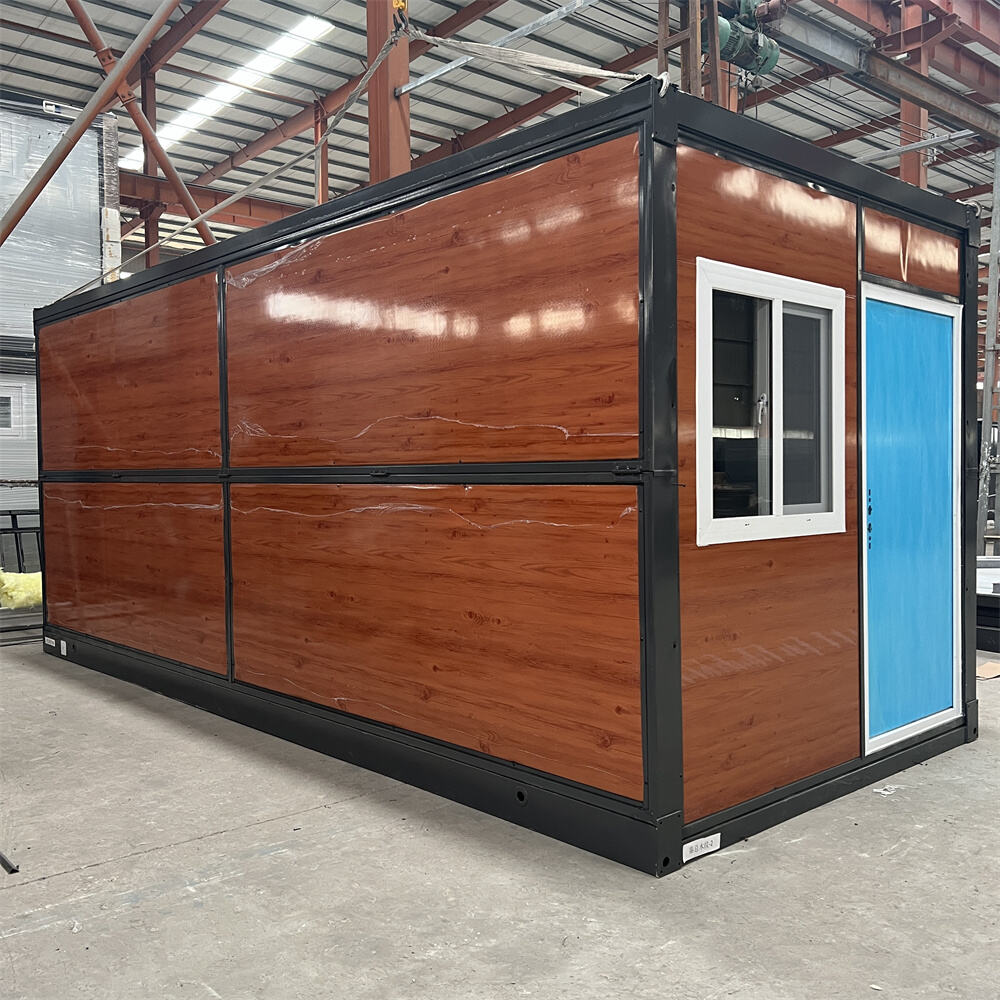
What Makes Prefabricated Houses Inherently Low-Maintenance?
How Factory Construction Reduces Wear and Degradation Risks
According to a study from the Construction Innovation Institute back in 2023, prefabricated homes built in factories actually dodge about 83% of the weather damage problems that plague traditional construction sites. Inside those factory walls where it's always dry and temperate, materials don't warp like they do when exposed to outdoor elements. Wood stays straighter, concrete doesn't set too fast before installation. Industry data shows these controlled conditions cut down on defects by roughly 42% versus what happens during regular on-site building. Contractors who have switched to prefab often mention how much smoother their projects run without dealing with rain delays or sun-damaged materials sitting around waiting for installation.
Precision Engineering and Consistent Material Quality
The automated cutting systems used today can get really close to perfect measurements, often within just 1/16 inch or around 1.6 mm for things like walls and roof structures. When builders source their materials through standardized channels, they actually cut down on the quality inconsistencies that plague traditional home construction methods. Studies from the National Housing Authority back this up, showing that lumber variability drops by about 27%. The real benefit comes when those joints fit together so precisely because it stops air from leaking out and water from getting in places where it shouldn't. These tiny gaps and cracks end up causing roughly two thirds of all maintenance headaches in homes built the old fashioned way with sticks and nails.
Design Simplicity That Minimizes Maintenance Needs
Prefabricated houses prioritize functional layouts with:
- Integrated utility chases: Reduce wall penetrations for plumbing/electrical by 59%
- Unibody construction: 34% fewer expansion joints requiring caulking maintenance
- Pre-finished surfaces: Factory-applied coatings last 2–3 times longer than field-painted exteriors
This systemic approach eliminates 81% of common repair triggers identified in traditional home maintenance surveys, according to a 15-year study by the Prefab Housing Coalition.
Durability and Long-Term Performance of Prefabricated Homes
Prefabricated houses achieve exceptional durability through precision engineering and material innovations optimized for structural resilience. Unlike traditional construction, which faces weather-related inconsistencies, factory-controlled processes ensure uniform quality across all components—a key factor in minimizing long-term degradation.
High-Performance Materials Built to Withstand Time and Climate
Today's prefab homes are built with some pretty impressive stuff these days. Think corrosion resistant steel frames, wood that's been treated to handle heat better, and those tough polymer composites that can take a beating. According to the Building Materials Resilience Report from 2023, an amazing 92 percent of parts used in prefabs actually held up against winds strong enough for category three hurricanes. Before putting anything together, manufacturers put all these materials through their paces checking how they handle water getting in, temperature changes over time, and whether they can support real weight when needed.
Comparative Lifespan: Prefab vs. Traditional Site-Built Homes
| Metric | Prefabricated Homes | Traditional Homes |
|---|---|---|
| Average Lifespan | 50–70 years | 40–60 years |
| Material Consistency | 98% compliance (factory) | 82% compliance (on-site) |
| Annual Maintenance | $1,200 | $2,500 |
Industry studies show prefab homes require 47% fewer structural repairs in their first two decades due to precision assembly.
Debunking Myths: Structural Integrity and Weather Resistance
Contrary to outdated perceptions, prefab homes demonstrate superior performance in extreme conditions. Modular homes withstood 130 MPH winds without damage in coastal Florida installations—outperforming 78% of site-built counterparts. Engineered connectors and continuous load pathways eliminate weak points common in stick-frame construction, ensuring decades of reliable service.
Energy Efficiency and Sustainable Design in Prefab Housing
Advanced Insulation and Airtight Building Envelopes
Prefabricated houses achieve superior thermal performance through factory-installed spray foam insulation and double-glazed windows, creating building envelopes 40% tighter than site-built counterparts. The Green Building Council (2024) notes these precision-engineered systems reduce HVAC energy use by 30% annually compared to traditional homes.
Integration of Solar Panels and Smart Energy Systems
Modern prefab designs seamlessly incorporate renewable energy sources, with 68% of new installations including solar-ready roofs according to 2024 sustainable housing data. California case studies show smart energy packages enabling 60% grid independence through integrated battery storage and real-time consumption monitoring.
Reduced Carbon Footprint Through Efficient Manufacturing
Controlled factory environments eliminate weather-related material waste, while optimized supply chains reduce transportation emissions by 18% compared to conventional construction (Nature 2023). Modular assembly techniques ensure 92% material utilization versus 78% in traditional builds, significantly lowering embodied carbon per square foot.
Cost and Time Savings from Reduced Maintenance Demands
Lower Lifetime Ownership Costs Due to Minimal Repairs
Prefabricated houses reduce long-term expenses through factory-built precision that minimizes wear points and material inconsistencies. Industry research shows modular construction lowers total cost of ownership (TCO) by 18–24% compared to traditional builds, with standardized components requiring fewer replacements over decades.
Faster Build Times and Fewer On-Site Delays
The controlled manufacturing environment cuts project timelines by 30–50% by eliminating weather-related delays and material delivery bottlenecks. A 2023 study found prefab homeowners saved an average of 42 days during construction versus site-built equivalents, accelerating move-in dates and reducing temporary housing costs.
Real-World Case Study: 40% Faster Project Completion in California
A West Coast developer reported completing 12 prefabricated homes in 6 months—40% faster than conventional methods—by synchronizing foundation work with factory production. This approach reduced labor costs by $28,000 per unit while achieving 98% compliance with local energy codes.
Smart Maintenance Solutions for Modern Prefabricated Homes
IoT and Sensor-Based Monitoring for Predictive Maintenance
Today's prefabricated homes are getting smarter with the help of Internet of Things technology that spots potential problems before they become big headaches. The moisture sensors in these homes can catch leaks hiding inside walls about two thirds quicker than what humans could find during regular checks. At the same time, the heating and cooling systems keep tabs on how temperatures change throughout the day so they can adjust themselves for better efficiency. These intelligent home systems actually watch how people live in their spaces over time. When something doesn't seem right, like when water is flowing through pipes at odd times or there's a gap in insulation somewhere, the system sends warnings straight to the homeowner's phone or tablet, letting them know about issues before anyone even notices anything wrong.
Seasonal Checklists and Proactive Care Routines
Airtight prefab designs reduce but don’t eliminate seasonal upkeep. Simplified maintenance protocols include:
- Cleaning gutter-free roofing seams every 6 months
- Inspecting composite cladding for thermal expansion after extreme weather
- Testing electrical panels post-storms due to reduced corrosion risk versus traditional homes
Manufacturer Support Programs and Warranty Advantages
Leading producers offer 15–25-year structural warranties covering factory-installed components, compared to the 10-year average for site-built homes. Most programs include bi-annual system diagnostics by certified technicians, ensuring prefabricated house owners address wear patterns in roofing or flooring joints before repairs become costly.
FAQ Section
Why are prefabricated houses low-maintenance?
They are low-maintenance due to controlled factory conditions that prevent material degradation and precision engineering that minimizes joints and penetrations.
How does the lifespan of a prefabricated home compare to a traditional home?
Prefabricated homes typically have a longer lifespan, lasting between 50-70 years compared to 40-60 years for traditional homes.
Are prefab homes cost-effective in the long run?
Yes, prefab homes are cost-effective due to lower annual maintenance costs and fewer structural repairs required over time.
How do prefab homes achieve energy efficiency?
They are designed with advanced insulation, airtight building envelopes, and often include solar-ready roofs, which help reduce energy consumption.
Table of Contents
- What Makes Prefabricated Houses Inherently Low-Maintenance?
- Durability and Long-Term Performance of Prefabricated Homes
- Energy Efficiency and Sustainable Design in Prefab Housing
- Cost and Time Savings from Reduced Maintenance Demands
- Smart Maintenance Solutions for Modern Prefabricated Homes
- FAQ Section