
 EN
EN
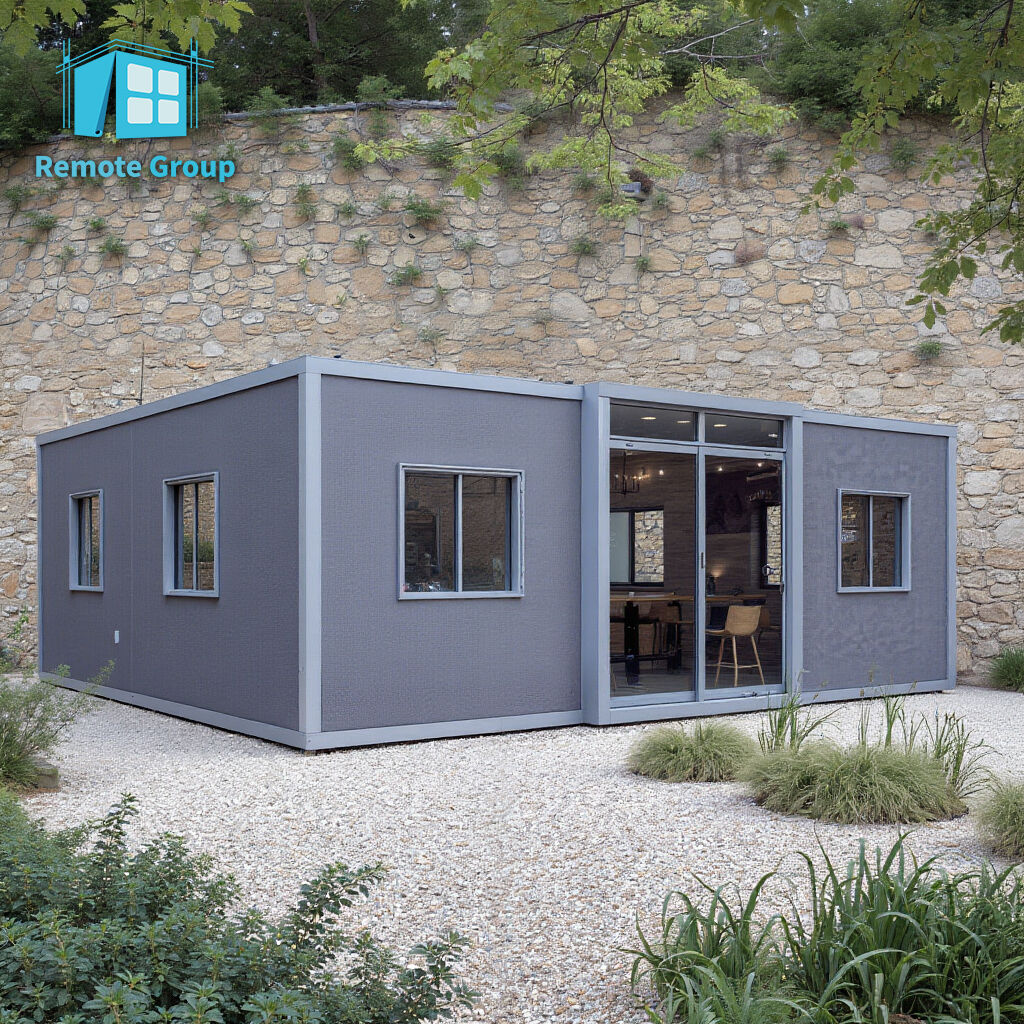
Why Shipping Container Houses Are Inherently Mobile
Understanding the relocatability of shipping container homes as a growing trend
Container homes were made to move around the world actually - they started life as shipping containers after all. The standard steel frames and exact measurements mean these houses can go anywhere pretty easily whether it's on a truck, train or even a boat. Regular houses sit on fixed foundations forever, but containers just lift right off the ground and get moved somewhere else without much damage at all. People need this flexibility now more than ever. Think about workers who have to relocate for jobs, or folks living in places where disasters strike regularly. The numbers back this up too. We've seen almost 40% more container housing projects popping up since 2021. That's not just an extra perk anymore, mobility has become what makes container homes special in today's market.
Modular and mobile housing: How shipping container houses fit into modern nomadic living
Shipping containers have become quite popular for people whose lives keep changing locations all the time. Think about digital nomads who work remotely from different countries, seasonal workers following job opportunities, or families focused on reducing their environmental impact. These metal boxes come pre-equipped with all sorts of essentials like electricity, water connections, and good insulation long before they ever hit the road. That means when someone wants to move somewhere else, they just need to hook them up rather than starting from scratch. The way these containers stack together makes them super versatile too. Some folks build tiny one-room spaces while others create whole apartment complexes stacked several stories high. Looking at numbers from mobility research, moving costs drop around 60% compared to traditional houses. Plus, since we're reusing old shipping containers instead of building new ones every time, these mobile homes represent something pretty smart for our planet and wallet alike.
Engineering Mobility: Structural and Container Requirements
Structural integrity and weather resistance for mobile applications: Engineering for movement
When building container homes meant to be moved around, the engineering has to be pretty specific to handle all sorts of stress factors. Think about what happens when they lift containers with cranes, the constant vibrations on roads during transport, plus whatever weather beats down on them over time. The main things builders focus on are strengthening those corners where metal meets metal so nothing bends out of shape during lifts. They also need good seals that keep water out and special coatings that fight rust, like those zinc-based primers most folks use. Inside, fixtures should sit on mounts that absorb shocks instead of cracking or breaking loose. And let's not forget about meeting building codes – specifically section 3115 of the IBC for modified containers. These designs actually go through real testing too, dropping containers from about 4 feet high and running simulations of multiple trips back and forth. All this work makes sure the home stays safe for people living inside while still performing well against the elements after being moved several times.
Choosing the right container for mobility: CSC certification, dimensions, and corrosion resistance
Three non-negotiable criteria define a container’s suitability for transportable housing:
- Valid CSC certification—ensures adherence to ISO 1496-1 standards for strength, stacking, and lifting;
- Standardized dimensions—20ft and 40ft lengths maximize compatibility with standard transport carriers; oversized or custom-cut units often trigger permit complications or outright rejection by hauliers;
- Corrosion resistance—Corten steel walls below 1.6mm thickness require supplemental protective coatings in humid or coastal climates. Wind- and water-tight (WWT) graded containers with documented maintenance history are strongly preferred by experienced builders.
Design Considerations for Portable Shipping Container Homes
Shipping container house design flexibility and layout adaptability: Balancing permanence and portability
The whole idea behind portable containers revolves around modularity which lets people set them up for living right away but also makes moving them later much easier. When it comes to windows and doors, their positioning matters a lot too. Some folks prefer having removable partitions between spaces while others stick with bolted ones depending on what works best for their situation. What's really cool about these designs is they allow for gradual growth. Many homeowners start off with just one container then connect more as their family grows or lifestyle changes, all while keeping those containers ready to roll whenever needed. Traditional houses aren't built thinking about being moved somewhere else later on, but with containers, mobility becomes part of the original plan from day one instead of something added after the fact when problems arise.
Modification options for transportable living spaces (e.g., doors, insulation, foundations)
Critical modifications must reinforce—not undermine—mobility:
- Insulation: Closed-cell spray foam or rigid mineral wool panels minimize thermal bridging and maintain interior volume, unlike bulky batt systems;
- Openings: All door and window cutouts require welded steel reinforcement sleeves around perimeter frames to resist torsional stress during transport;
- Foundations: Retractable screw piles, adjustable steel skids, or galvanized pier systems replace concrete slabs—allowing full disassembly and crane-assisted relocation within hours.
Critique of static container architecture vs. purpose-built mobile solutions
Welded multi-container complexes sacrifice mobility for aesthetic cohesion—a trade-off that undermines the core advantage of the system. Purpose-built portable designs prioritize field-reversibility and transport resilience:
| Design Feature | Static Approach | Mobile-Optimized Approach |
|---|---|---|
| Foundation | Permanent concrete pad | Removable screw piles with torque-calibrated anchors |
| Connections | Welded seams | Bolt-on interlocking systems with stainless-steel hardware |
| Insulation | Fixed interior lining | Compression-resistant panels with peel-and-stick vapor barriers |
While mobile-optimized builds carry a 15–20% premium in upfront modification costs (Home Innovation Research Labs, 2023), they reduce long-term relocation expenses by 60% compared to deconstructing and rebuilding static assemblies—making them financially sound for owners anticipating two or more moves.
Real-World Mobility: Logistics and Relocation Strategies
Transportation logistics for container homes: Real-world examples from urban to rural moves
Moving container homes requires careful planning beyond just dragging them around. Cities throw up all sorts of obstacles like narrow alleys, power lines hanging overhead, and bridges that are too short for big rigs. Out in the country, things aren't much easier either. Dirt roads, muddy ground, and finding cranes when needed can really complicate matters. One builder from Seattle actually managed to transport a 40 foot insulated container all the way to Montana. They used smart GPS routes and special flatbed trailers that stay low to the ground. This allowed them to skip over three bridges where clearance was tight and saved about a third of the travel time even though they had to go through mountains. Looking at the destination before starting and keeping track of how everything is loaded during transport made all the difference in preventing problems along the way.
Adaptation of shipping containers for residential use with transport capability: Lessons from off-grid builders
Builders working off grid tend to move homes through tough terrain all the time, so they need stuff that's light and easy to fix in the field. Most go for closed cell spray foam rather than heavy cellulose insulation because it just works better for their needs. Their electrical setups are usually modular with those marine grade quick disconnect plugs instead of regular wired connections. And don't forget about the decks either - many have folding or telescoping designs that tuck right against the container walls when not needed. For corner castings, workers typically reinforce them with gusset plates that get welded onsite before deployment. This makes sure everything stays secure during lifts, even after being moved several times already. All these modifications together mean a complete setup can be redeployed pretty quickly, including getting utilities hooked up again within just two days at most.
Cost and logistics of moving container homes: Weighing permits, transport, and reassembly
Relocation expenses scale with distance, terrain, and regulatory complexity—but remain predictable with early planning:
| Cost Factor | Urban Move (50 miles) | Rural Move (200 miles) |
|---|---|---|
| Transport | $2,500 – $4,000 | $6,000 – $10,000 |
| Permits | $800 – $1,500 | $1,200 – $3,000 |
| Reassembly | $1,000 – $2,000 | $3,000 – $5,000 |
Source: Aggregated industry relocation case studies (2023)
Getting oversized load permits takes anywhere from 30 to 45 days ahead of schedule, and those extra escort vehicles can really eat into transportation budgets in most states. When it comes time to put everything back together after moving, all sorts of unexpected expenses pop up like needing to recalibrate foundations, paying for reconnecting utilities, or doing small fixes to structures that weren't obvious before. Looking at the big picture, relocation generally ends up costing around 15 to 25 percent of what was spent originally building something from scratch. That's actually quite a bit cheaper than tearing down and starting over, and gets pretty close to what people pay for renting space somewhere else when looking at costs spread out over five years.
FAQ
Are shipping container homes easy to move?
Yes, shipping container homes are designed to be easily relocatable due to their standardized size and structure.
What types of shipping containers are best for mobile homes?
New containers, used containers, and CSC-certified containers are suitable, each with specific benefits for mobility.
How do container homes compare to traditional homes in terms of mobility?
Container homes offer much greater flexibility for relocation compared to traditional homes which are fixed to a foundation.
What are the costs involved in moving a container home?
Costs depend on distance and location, including transport, permits, and reassembly, generally cheaper than rebuilding.
What modifications are necessary for container homes to be mobile?
Essential modifications include insulation, reinforced openings, and movable foundations to support mobility.
Table of Contents
- Why Shipping Container Houses Are Inherently Mobile
- Engineering Mobility: Structural and Container Requirements
- Design Considerations for Portable Shipping Container Homes
- Real-World Mobility: Logistics and Relocation Strategies
-
FAQ
- Are shipping container homes easy to move?
- What types of shipping containers are best for mobile homes?
- How do container homes compare to traditional homes in terms of mobility?
- What are the costs involved in moving a container home?
- What modifications are necessary for container homes to be mobile?