
 EN
EN
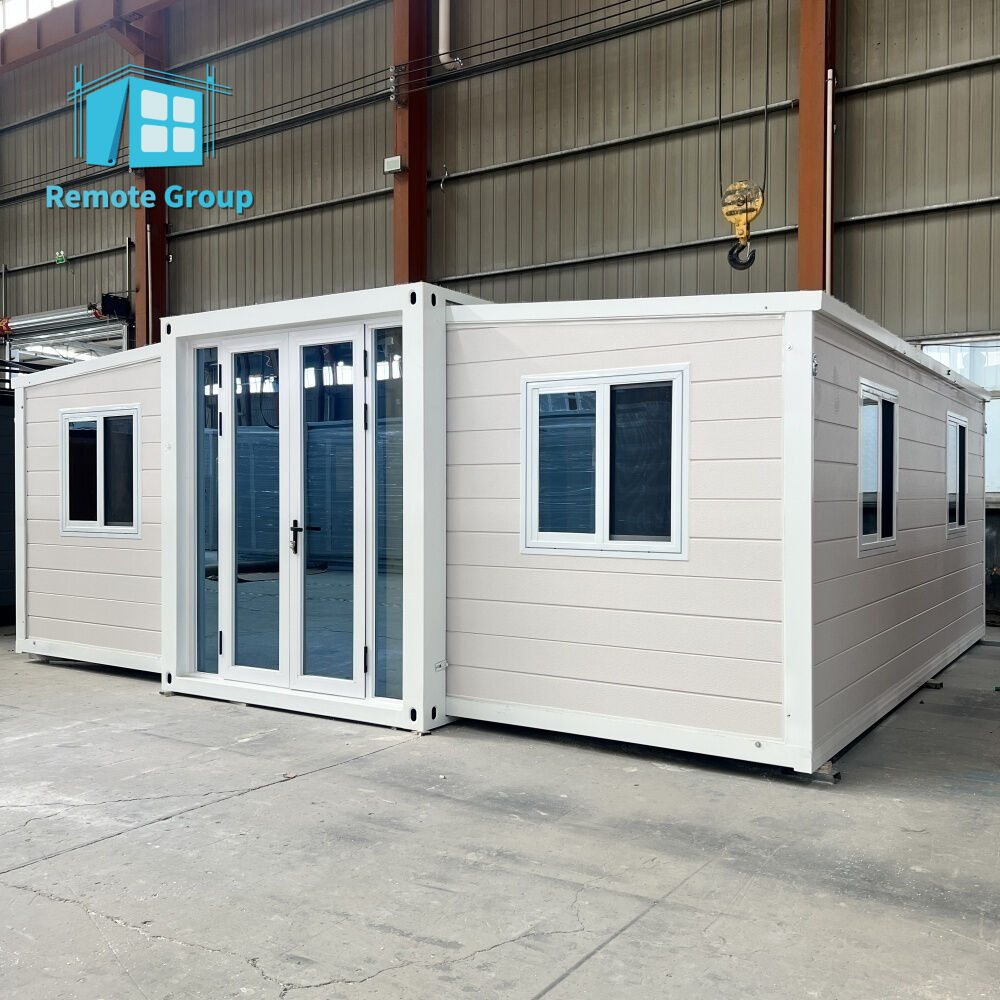
Why Container Homes Align Perfectly with Minimalist Living
Living in container homes actually works pretty well for people who want to live simply because of how small they are and what they cost. Most containers are around 8 feet wide and can be anywhere from 20 to 40 feet long, so there just isn't much room to start accumulating stuff. When space is limited like that, folks tend to think twice before bringing anything new into their home. This kind of forced simplicity helps cut down on all the mess and clutter we normally see everywhere these days. People find themselves thinking less about what things they own and more about where they want to go or what they want to do next instead.
Intentional space design: How container dimensions enforce simplicity and focus
Shipping containers come in fixed rectangles, so creative layout solutions are pretty much required. Smart designers make the most of limited space by going vertical lots of lofted beds and storage from floor to ceiling. They also build in things that do double duty fold down desks here, furniture that converts there. Every inch counts when living small, which makes people think twice about what they really need. According to a study published last year in Tiny Life Journal, folks living in these 320 square foot container homes tend to own about 63 percent less stuff compared to people in regular 2,000 square foot houses. The tight spaces just naturally push people toward keeping only what matters most.
Lower financial and maintenance overhead supports minimalist values
Container homes reduce life’s logistical and financial burdens significantly. Annual maintenance expenses drop roughly 40% (Prefab Housing Council, 2023) thanks to durable steel construction and reduced scale, which lowers:
- Heating and cooling energy use (up to 58% less in sub-400 sq ft units),
- Property taxes (based on lower assessed valuation),
- Repair materials and labor.
This financial and operational simplification aligns directly with minimalist principles—freeing time, money, and attention for meaningful pursuits rather than property upkeep.
Sustainable Foundations: Eco-Friendly Advantages of the Container Home
Reduced construction waste and compatibility with green building systems
Container homes actually create way less construction waste compared to regular buildings. The modular nature of containers means there's about a 60% reduction in those annoying leftover materials from cutting. Plus, since containers come in standard sizes, it makes adding green features much easier. Think solar panels on the roof, systems for collecting rainwater, and better insulation throughout. These modifications can really push container homes toward net-zero energy usage. The basic structure works well with passive cooling and heating methods too. Many container homes now qualify for green certifications like LEED and Passive House standards. And despite all these eco-friendly upgrades, they still maintain that small footprint that makes them so appealing for people who want minimalism in their living spaces.
Environmental Impact Comparison
| Aspect | Traditional Home | Container Home |
|---|---|---|
| Construction Waste | 8,000 lbs average | 2,000 lbs |
| Embodied Energy | 30–40 GJ | 8–12 GJ (primarily retrofitting) |
| Customization Options | Limited by conventional methods | High compatibility with green tech |
Smart Space Optimization in the Compact Container Home
Vertical storage, multi-functional furniture, and zone-based living
Getting the most out of limited space in container homes needs smart thinking about how people actually live. Going vertical makes sense when floor space is tight. Loft beds save room for other stuff below them, shelves mounted on walls keep things organized without taking up precious ground area, and those hanging racks from ceilings are great for storing seasonal items or rarely used gear. Furniture that does double duty really helps too. A couch that turns into a bed means overnight guests aren't a problem, folding tables work just fine whether someone wants to eat breakfast or get some work done, and stairs with built-in storage compartments? That's pure genius. Dividing up small spaces into different zones works wonders too. Most container homes separate sleeping areas from where people cook or work through simple tricks like changing light colors between sections, creating slight elevation differences on floors, or installing sliding doors instead of traditional walls. According to recent studies, these clever layout ideas can make tiny spaces feel 30% bigger when they're under 400 square feet. It just goes to show that good design matters more than raw square footage when it comes to feeling comfortable in a small home.
Modularity and Customization: Designing Your Ideal Minimalist Container Home
The inherent modularity of shipping container construction empowers deeply intentional customization. Steel frames allow homeowners to stack, combine, or extend units with exceptional flexibility—creating everything from single-container studios to multi-level residences—without the waste or complexity of traditional framing. This adaptability supports core minimalist goals:
- Layout personalization: Choose open-concept flow or defined zones aligned with your daily rituals and priorities.
- Sustainable feature integration: Embed solar arrays, rainwater systems, or passive cooling directly into the assembly process.
- Material expression: Specify reclaimed wood, low-VOC finishes, or polished concrete—balancing aesthetic integrity with ecological responsibility.
Modular expansion also offers built-in future-proofing: an initial 160 sq ft studio can evolve into a multi-unit compound as needs shift. This scalability ensures your home grows with your minimalist journey—not against it—eliminating the excess space and financial strain typical of conventional housing.
Practical Applications: ADUs, Off-Grid Living, and Scalable Minimalist Housing
Container homes as affordable, permit-friendly ADUs for urban and suburban settings
Container homes work really well as Accessory Dwelling Units (ADUs) because they're affordable, quick to build, and generally meet local regulations. Most cities have made it easier to get permits for these pre-made steel structures, which is why we see them popping up all over town in backyards, behind main houses, or even as small rental properties. These containers typically range from about 160 to 320 square feet each, so they fit nicely on smaller plots of land where space is limited. Plus, since there's not much digging or construction needed on site, the whole process causes less disturbance to existing neighborhoods. And despite what some people think, these container homes don't just solve housing problems fast - they actually look pretty good too, maintaining the overall feel of a neighborhood while still providing needed extra living space.
Off-grid readiness: Integrating solar, rainwater, and passive design into the container home
Container homes have a built-in advantage when it comes to living off the grid. The flat steel roofs work great for installing solar panels, which means these structures can generate their own power without relying on outside sources. Rainwater collection is another plus point. Most designs include channels that direct water to filtration systems, giving residents access to both drinking water and water for other household needs. Windows are placed strategically around the container, along with materials that help regulate temperature naturally. Reflective insulation keeps things cool in summer and warm in winter. Add in some clever water recycling techniques and energy efficient appliances, and a standard 40 foot shipping container becomes enough space for a family of four to live completely independently from traditional utilities. Research on sustainable housing suggests these kinds of setups cut down on reliance for regular services by about ninety percent compared to normal houses. That makes sense why more people are looking at container homes as practical solutions for places far from city infrastructure or for communities focused on environmental values.
FAQs about Container Homes and Minimalist Living
What are the benefits of living in a container home?
Container homes offer minimalism due to limited space, cost-effectiveness, reduced maintenance, and eco-friendly advantages like repurposing existing materials.
Are container homes suitable for urban areas?
Yes, container homes are often used as Accessory Dwelling Units (ADUs) in urban settings due to their affordability, ease of construction, and minimal disturbance to neighborhoods.
How do container homes support off-grid living?
Container homes can support off-grid living with solar panels, rainwater collection, and passive heating/cooling designs, making them almost entirely independent of traditional utilities.
Table of Contents
- Why Container Homes Align Perfectly with Minimalist Living
- Sustainable Foundations: Eco-Friendly Advantages of the Container Home
- Smart Space Optimization in the Compact Container Home
- Modularity and Customization: Designing Your Ideal Minimalist Container Home
- Practical Applications: ADUs, Off-Grid Living, and Scalable Minimalist Housing
- FAQs about Container Homes and Minimalist Living