
 EN
EN
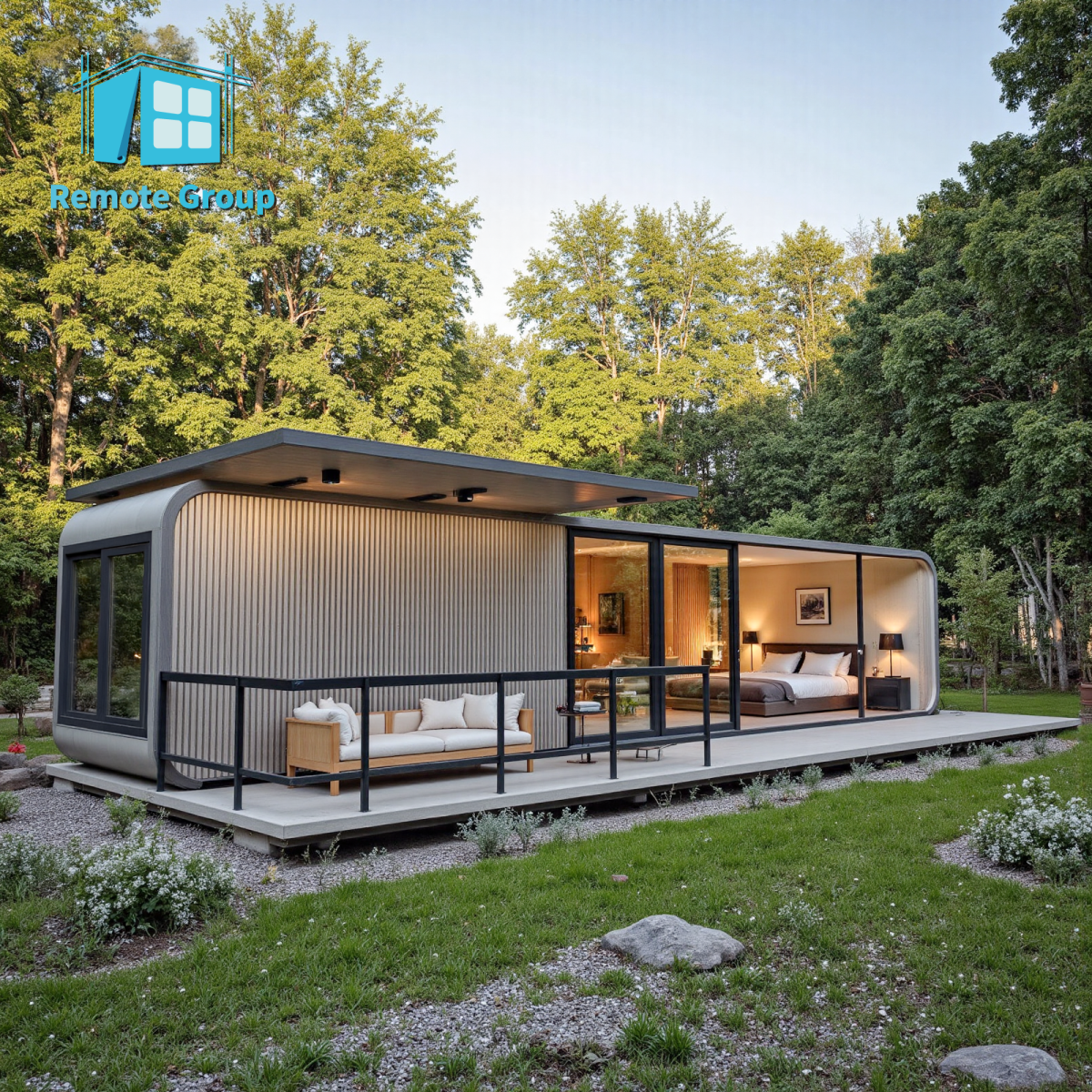
Why Compact Prefab Houses Are the Optimal Small-Space Solution
Rising Demand for Under-600-Sq-Ft Prefab Houses in Urban and Suburban Markets
Urbanization and shifting lifestyle preferences are driving unprecedented demand for compact housing solutions. Under-600-sq-ft prefab houses now represent over 40% of new small-home construction requests in metropolitan areas (Housing Innovation Report 2024). This surge stems from three converging factors:
- Affordability pressures, making traditional housing inaccessible for 68% of first-time buyers
- Minimalist living trends, where 55% of millennials prioritize experiences over square footage
- Land scarcity, forcing creative, high-efficiency solutions in high-density zones
Suburban markets show parallel growth, with prefab house installations increasing 30% annually as remote workers seek cost-effective secondary dwellings. These compact units deliver functional, move-in-ready living within footprint constraints that conventional construction simply cannot match.
How Modular Construction Enables Precision Space Optimization and Waste Reduction
Factory-built prefab modules revolutionize efficiency through computational design and controlled manufacturing. Unlike site-built homes, modular units achieve exceptional precision and resource stewardship:
| Efficiency Metric | Prefab House | Traditional Construction |
|---|---|---|
| Material Waste | 3% | 15–20% (U.S. EPA, 2023) |
| Precision Tolerance | ±1/8 inch | ±1 inch |
| Construction Time | 8–12 weeks | 6–12 months |
With accuracy down to the millimeter, we can really maximize space in smart ways these days. Think custom storage solutions tucked right into wall cavities, furniture designed to change shape as needed, and structures that fit together so well there's almost no wasted space left over. Factories running in closed loops recycle around 92% of materials compared to only about 30% at regular construction sites. Weather doesn't slow things down here either. No waiting for rain to stop or dealing with mistakes made on site. All these factors mean modular building cuts down on carbon emissions by roughly 45%. Plus, people get their brand new homes completed in about a third of the time it would take using traditional methods.
Key Design Principles That Maximize Functionality in Compact Prefab Houses
Vertical Integration and Lofted Zones in <500-Sq-Ft Prefab House Plans
When working with spaces under 500 square feet, making good use of vertical space isn't just smart—it's absolutely necessary. Many tiny homes feature loft beds that also serve as storage above, and walls are often packed with custom cabinets instead of regular furniture pieces. Interior designers can actually squeeze out around 30 percent extra usable space by incorporating things like raised work areas, fold down desks, and clever storage solutions built into stairs for storing bedding or snacks. Tall, slim shelves and wardrobes that reach all the way to the ceiling help keep everything within reach without taking up precious floor room. All these different layers of storage and function really change how small spaces feel and work. What starts as a cramped footprint becomes something much more functional and livable when properly designed with multiple levels and thoughtful organization.
Open-Concept Layouts with Smart Zoning for Privacy and Flow
Open floor plans really matter when space is limited in those tiny prefab homes, but what actually makes them work well isn't just having everything open all the time. Smart zoning matters more than mere openness. Think about sliding walls between rooms, arranging furniture in different sections, and building partial walls that separate spaces without blocking out the light or air movement. According to a recent study from the Design Efficiency folks in 2023, these kinds of visual boundaries can make small spaces feel almost 40% bigger in units smaller than 600 square feet. Lighting choices, where rugs are placed, and even adding sound absorbing panels help create private zones for things like making video calls or winding down at night. What we end up with is a living space that feels alive and adapts to people's needs throughout the day, staying neat and organized while still being practical for real life situations.
Built-In Efficiency: Multifunctional Systems in Prefab House Interiors
Transforming Furniture and Hidden Storage Designed for Prefab House Modules
Prefab interior designs tackle space constraints not just with clever additions but through true integration. Think wall beds that disappear right into built-in cabinets, dining tables that pop out only for meals, and those sneaky storage spots under stairs or hidden in seats that lift up. These features aren't just flashy tricks they've been battle tested in real world scenarios after thousands of builds. When homeowners swap out bulky traditional furniture for these smart, flexible solutions, they cut down on both materials and energy usage around 30 percent according to Modular Building Institute stats from last year. What we get is spaces that look clean and simple on the surface but pack serious functionality underneath all those sleek lines and no-nonsense design choices make switching from one living situation to another almost effortless.
Customization and Scalability: Adapting Prefab Houses to Evolving Space Needs
Prefabricated homes actually handle changing lifestyle needs better because they come with flexible designs rather than fixed floor plans. According to recent studies, about two thirds of people who own homes expect to need some sort of layout change within the next five years. These changes happen for all sorts of reasons like working from home more often, having bigger families, or taking care of older relatives as mentioned by the National Association of Home Builders back in 2023. The way modern prefabs are constructed really tackles this problem directly. When folks want to expand their space later on, whether it's putting in an extra room for work or building a small apartment unit beside the main house, these additions typically cost between twenty to forty percent less compared to regular home renovations. Plus, everything fits together properly without messing up the structural soundness. Inside these homes, there are also lots of adaptable features worth mentioning. Think movable walls that can be rearranged, furniture pieces that serve multiple purposes, and standard spots where utilities connect so things can be moved around easily when needed. What we're talking about here goes beyond simple customizations. It's really about planning ahead right from the start. Prefab houses grow along with whoever lives in them. They begin as practical starter homes but eventually become something much more substantial over time, offering great performance throughout many different chapters of life.
Frequently Asked Questions
-
What are prefab houses?
Prefab houses are homes constructed using prefabricated sections produced in a factory. These sections or modules are then transported and assembled on-site. -
Why are prefab houses gaining popularity?
Prefab houses are becoming popular due to affordability, minimalist living preferences, land scarcity, and their efficient construction process. -
How do prefab houses optimize space?
Prefab houses utilize smart design principles such as vertical integration, multifunctional furniture, and open-concept layouts to maximize space usage efficiently. -
Can prefab houses be customized?
Yes, prefab houses are designed to be customizable and scalable, allowing homeowners to adapt floor plans and features to evolving needs.