
 EN
EN
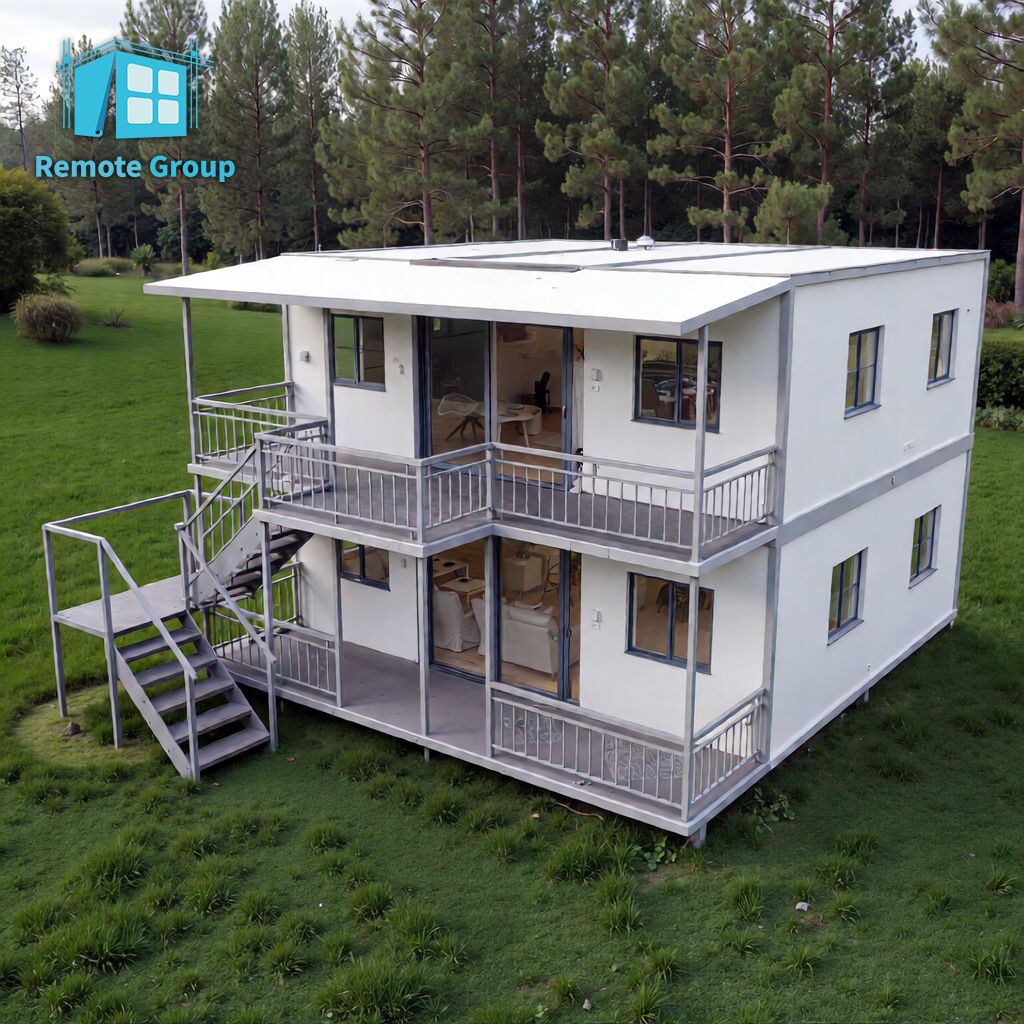
Cost-Effective Investment for Short-Term Rental and Personal Getaways
Upfront Build Cost vs. Traditional Vacation Homes: Realistic Budget Benchmarks
Container homes can save a lot of money right from the start, usually costing between 30 to 50 percent less than regular vacation homes. For instance, converting a standard 40 foot container typically ranges from around $25k to maybe $45k if going with basic interior work. Compare that to what most people pay for a decent sized 800 square foot cabin conventionally built, which tends to run well over $100k these days. The reason for this price difference lies in several factors. There's simply less wasted materials since containers are already made, plus they come out of factories with pretty good structural integrity. Plus, putting them together onsite takes far less time than traditional construction methods. As long as builders take care to properly insulate walls, reinforce foundations, and get all necessary permits sorted out first, container homes meet all local building regulations just fine. They stay safe, hold up well over years, maintain their value reasonably well too, all while keeping costs down compared to traditional options.
Ongoing Savings: Low-Maintenance Design, Off-Grid Utility Independence, and Insurance Advantages
Steel frame buildings just naturally stand up better against rot, bugs, fires, and bad weather which means much less money spent on repairs over time. When builders integrate off grid solutions like solar panels working alongside lithium batteries plus collecting rainwater, they completely cut out reliance on traditional utilities. The US Energy Info folks reported back in 2023 that container homes going this route save around $1,200 a year on electricity bills, not counting all the extra money saved from not having to pay for water too. Homeowners also notice insurance rates drop somewhere between 15 to maybe even 20 percent because steel frames hold up so well during disasters and there's less chance of needing total reconstruction after damage. All these factors combined really help boost profits for people running vacation rentals while making owning a weekend getaway substantially cheaper in the long run.
Designing for Guest Experience: Functional Layouts and Vacation-First Aesthetics
Single- and Dual-Container Floor Plans Optimized for Comfort, Privacy, and Flow
Good spatial planning makes those small container homes work really well as places where guests actually want to stay. For single containers ranging around 160 to maybe 320 square feet, most designers go with open floor plans and furniture that does double duty. Think about sofa beds that turn into actual beds at night, desks mounted on walls so they don't take up floor space, and dining tables that fold away when not needed. When building with two containers side by side, architects often place them off center to give each area its own identity or install special panels inside that block out noise between sections. The walkways between different parts of the home are typically kept wide enough (about 36 inches) so people can move around comfortably without bumping into things. All these little tricks come straight from hotel design basics. When guests can navigate a space easily without getting stuck or frustrated, they tend to enjoy their stay more, leave better reviews, and might even come back again someday.
Vacation-Centric Features: Sliding Glass Walls, Rooftop Decks, and Modular Outdoor Extensions
The magic of vacations really comes alive when spaces blend seamlessly with the outdoors. Think about those big sliding glass doors that basically disappear, letting the outside in while framing amazing views and flooding rooms with sunlight. They also help keep things cool naturally during hot weather. Rooftop decks are another game changer. Most can be reached by climbing a few steps or using an old fashioned ladder, but they create extra living space without taking up any more land. Perfect spot for watching stars at night, sipping morning coffee as the sun rises, or enjoying drinks while watching the sky turn pink at dusk. And don't forget the clever extras like screen porches that pop out when needed, kitchen counters that fold down from nowhere, and awnings that roll out on demand. These little touches let homeowners adjust their outdoor areas depending on what time of year it is or who happens to be visiting. All these features work together to transform small spaces into something much bigger, more flexible, and totally suited for making memories on vacation.
Speed-to-Market Advantage: Rapid Deployment for Seasonal or Rotational Use
Shipping container homes built in factories can slash construction time by around 60 to 80 percent compared to regular cabin building methods. This means property owners don't have to wait months before they can start renting out their space or finally move into their dream vacation home. The modular approach gets rid of those frustrating weather delays too. While workers are getting the foundation ready at the actual location, most of the real work happens elsewhere simultaneously. Think about it this way: when rain stops construction crews outside, factory workers keep assembling walls, adding insulation, and finishing interiors inside where conditions are perfect. Getting things done faster matters a lot for businesses trying to catch summer tourists or set up cozy winter escapes before everyone else does. According to some research from McKinsey back in 2020, these modular builds actually finish on schedule about three times more often than standard construction projects. That reliability helps cut down on money sitting idle during construction and speeds up when investors see returns on their investment.
Off-Grid Resilience: Environmental Adaptation for Remote Shipping Container House Locations
Integrated Solar Power, Rainwater Systems, and Passive Thermal Design in Compact Units
When building in remote areas where there's little existing infrastructure, getting ready for off-grid living changes shipping containers from just basic shelters into something much more useful and self-reliant. These small spaces work great for installing solar panels on the roof along with lithium batteries that can run lights, keep food cold, control temperature, and even power smart devices around the house. A recent study from Ponemon Institute back in 2023 showed these systems can save about 60% on yearly electricity bills compared to homes connected to regular power grids. Collecting rainwater and filtering it through certified systems gives complete independence from outside water sources. The way these containers are designed also helps maintain comfortable indoor temperatures throughout the seasons thanks to good insulation materials, thermal mass properties, and windows placed strategically across the structure. We've seen this setup really shine in tough places like the Colorado Mountains, where people need reliable housing during harsh winter storms, summer heat waves, or when local power goes down for days at a time. Plus, steel containers don't require much maintenance over time and leave behind a smaller ecological mark, which matches what many travelers want nowadays for their trips to nature spots. Container homes end up being not only practical solutions but also make sense environmentally speaking.
Frequently Asked Questions
What are the cost savings of building a container home compared to traditional vacation homes?
Container homes generally cost 30 to 50 percent less than traditional vacation homes due to factors like reduced material waste and quicker construction time.
How do container homes save on utilities?
Container homes equipped with solar panels and rainwater collection systems can save homeowners around $1,200 a year on electricity bills and eliminate water bills entirely.
Are container homes eco-friendly?
Yes, container homes are considered eco-friendly due to their efficient use of materials, off-grid utility potential, and smaller ecological footprint.
Can container homes be used in remote areas?
Absolutely! With integrated solar power and rainwater systems, container homes are well-suited for off-grid living in remote locations.
Table of Contents
- Cost-Effective Investment for Short-Term Rental and Personal Getaways
- Designing for Guest Experience: Functional Layouts and Vacation-First Aesthetics
- Speed-to-Market Advantage: Rapid Deployment for Seasonal or Rotational Use
- Off-Grid Resilience: Environmental Adaptation for Remote Shipping Container House Locations
- Frequently Asked Questions