
 EN
EN
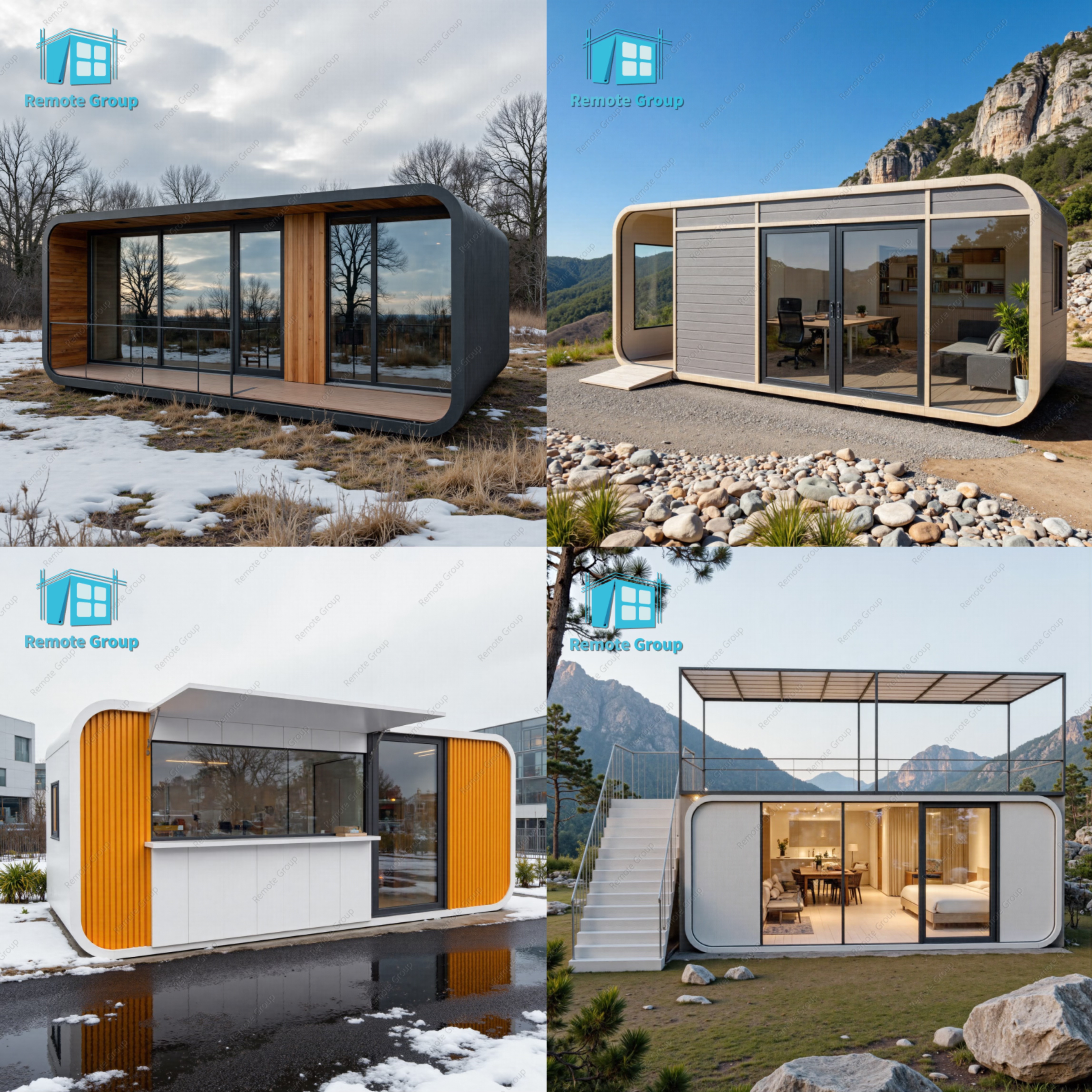
Climate-Responsive Design in Prefab Home Construction
How climate impacts prefab home design and insulation strategies
The local climate has a huge impact on how prefab homes get built, affecting everything from what materials go into them to how they handle airflow. Take dry areas for instance where builders often turn to thermal mass solutions such as rammed earth walls. These actually work pretty well because they soak up daytime heat then slowly release it when nights get cold again. Coastal spots with lots of humidity tell a different story though. Builders there need special breathable insulation that lets moisture escape instead of trapping it inside where mold can grow. Some newer modular designs cut down on energy bills by around half compared to regular houses according to Sustainable Building Alliance data from last year. They achieve this through better insulated panels and smart placement relative to sun exposure. Wildfire risk areas present another challenge altogether. Homes constructed there typically feature mineral wool insulation that won't catch fire even if exposed to extreme heat conditions reaching about 1000 degrees Celsius.
Designing for future climate resilience with adaptive architecture
Prefab home designs these days are getting smarter with modular wall systems that let owners boost insulation when needed because climates just keep changing. The latest numbers from the Global Construction Forecast show around 30% of new prefabs should have adjustable roofs and electrical systems ready for upgrades by 2025 or so, helping them cope better with unpredictable weather trends. More builders are turning to cross laminated timber now too. It bends well without breaking and cuts down on heat loss problems by about half compared to regular steel when temperatures swing back and forth.
Balancing upfront cost vs. long-term climate adaptability in prefab homes
Climate responsive building features do cost more upfront, usually around 8 to 12 percent extra for construction. But most homeowners find they get their money back within seven to ten years because their monthly energy costs drop and insurance rates go down too. Take ICF foundations as an example. Homes built with these insulated concrete forms in tornado zones actually show about 42 percent better return on investment after fifteen years compared to regular concrete slabs. Manufacturers are making things easier now with different package options that let people upgrade gradually. Some companies sell hurricane rated windows separately while others provide flood adaptive piers that can be added later when budgets allow or risks become clearer.
Engineering Prefab Homes for Extreme Weather Conditions
Wind-Resistant Designs for Hurricane-Prone Regions
In regions where hurricanes are common, prefab homes now feature steel reinforced frames and special laminated glass that can handle wind speeds exceeding 150 miles per hour. Designers have also incorporated aerodynamic roof shapes along with continuous framing systems that cut down on those pesky uplift forces during storms. And let's not forget about the reinforced garage doors which play a crucial role in keeping the whole structure intact when Mother Nature gets angry. One particularly effective addition is hurricane straps these days. These little connectors basically lock walls directly into the foundation, making them far more stable. According to recent research from the Building Safety Journal published last year, this simple modification actually reduces structural movement by around 70 percent compared to older building techniques.
Snow Load Management in Arctic and Alpine Climates
Prefab homes built for areas with heavy snowfall typically have very steep roof pitches, usually around 30 degrees or more, along with specially engineered truss systems that can handle snow loads of about 300 pounds per square foot. The way these buildings spread out the weight across their framework helps prevent catastrophic failures when winter storms pile on the snow. Many builders now rely on Structural Insulated Panels, or SIPs, which offer impressive insulation values around R-40 while still standing up to those brutal winter conditions. These panels do double duty keeping interiors warm and dry while also providing the strength needed to survive blizzards and ice storms that would flatten conventional construction methods.
Seismic Resilience Through Flexible Foundation Systems
Prefab homes built to withstand earthquakes typically feature base isolation pads along with Cross-Laminated Timber (CLT) walls designed to bend rather than break during quakes while still keeping occupants safe. Research from 2022 showed pretty impressive results too those homes with moment resisting frames had around 85 percent fewer structural issues when tested against simulated 7.0 magnitude tremors. The design also incorporates flexible connections for utilities like water and gas lines, plus lighter composite materials throughout. These features help prevent dangerous situations after shaking stops something that regular construction methods often fail at, especially when it comes to avoiding gas leaks or electrical sparks that could start fires.
Fire and Moisture Protection in All-Climate Prefab Homes
Wildfire-Resistant Construction Using Non-Combustible Materials and Bushfire-Rated Windows
When building homes in areas where fires are a big concern, many builders now incorporate Class A fire rated exteriors. These typically feature things like metal roofs and fiber cement siding that help create an envelope resistant to embers flying through the air. For those extra cautious folks, tempered glass windows designed specifically for bushfires work best when combined with automatic sprinkler systems installed inside the house. This combination can actually cut down on how fast flames spread by around ninety percent over regular window options. There are other smart moves too. Using insulation materials that won't catch fire, such as mineral wool, makes sense. And leaving out soffits from eaves helps prevent debris from collecting there something we've seen ignite quite often during actual wildfires across the country.
Advanced Weatherproofing Against Heavy Rain and Humidity
Modern prefabricated homes tackle moisture problems using what builders call a triple protection approach. First there are those breathable membranes installed behind the exterior panels that let water vapor escape naturally. Then comes the closed cell spray foam insulation which stops about 98% of any water getting through walls during heavy rain events. And finally, the structural framing made from galvanized steel can withstand high humidity levels without rusting, even when exposed to 95% relative humidity conditions for extended periods. Most prefab designs also feature raised floor systems along with clever ventilation arrangements throughout the house structure. These help reduce flood damage potential while keeping indoor spaces dry enough to prevent mold growth issues. The controlled factory environment where these homes are assembled makes all the difference too. Contractors can achieve much tighter seals around window openings and door frames compared to traditional on-site construction methods where weather conditions often interfere with proper installation techniques.
Durable Material Selection for Harsh Environments
Modern prefab homes rely on strategic material selection to endure environmental stressors while maintaining structural integrity across decades. This approach aligns immediate build requirements with lifecycle durability; especially critical in coastal, flood-prone, and high-humidity regions.
Corrosion-Resistant Materials for Coastal and Humid Climates
Air filled with salt speeds up metal rusting by as much as twelve times compared to what happens inland, says research on building materials near the sea. Smart builders are increasingly going for grade 316 stainless steel screws these days, plus roofing treated with aluminum zinc coatings that come with promises of lasting forty years. Fiber cement boards for walls also work well since they soak up less than half a percent moisture when tested under ASTM C140 standards. All these material picks can save homeowners from spending around fifteen thousand dollars on fixes caused by early stage corrosion problems in houses built along coastlines, according to data from NACE International back in 2023.
Elevated Foundations for Flood-Prone Areas to Enhance Safety and Longevity
Precision-engineered foundation systems elevate living spaces 2–4 feet above base flood elevation, incorporating resilient components:
| Component | Flood Protection Features | Compliance Standard |
|---|---|---|
| Helical piers | Galvanized steel resists hydrostatic pressure | FEMA P-320 |
| Perimeter breakaways | Sacrificial walls divert debris | ASCE 7-22 Chapter 6 |
| Flood-vented crawlspaces | Maintains structural equilibrium during surge | NFIP Technical Bulletin 1 |
This methodology reduces water damage claims by 78% compared to slab-on-grade foundations, per FEMA mitigation data.
Key Considerations:
- Compatibility between metallic and non-metallic building components
- Adherence to regional code amendments addressing climate-specific threats
- Maintenance schedules tailored to environmental exposure levels
Emerging designs now embed corrosion sensors within structural elements, providing real-time alerts via centralized monitoring platforms when early degradation is detected.
Energy Efficiency and Sustainable Systems in Resilient Prefab Housing
Prefabricated homes combine energy savings with better weather protection thanks to smart passive design features and built-in green technologies. When manufactured in factories, these homes get their thermal mass walls and top quality insulation installed with pinpoint accuracy. This makes a big difference inside where temperatures stay steady throughout the year. Heating bills drop around 30 percent compared to regular stick-built houses according to Green Building Council research from last year. The passive design elements really matter when living without grid connection. Airtight construction plus clever cross ventilation keeps things comfortable even when the electricity goes out for days at a time, something many rural homeowners experience during storms or winter freezes.
Passive Heating and Cooling Strategies for Off-Grid Resilience
Optimized window placement maximizes solar gain in winter, while deep overhangs shade interiors in summer; a balance achieved through advanced energy modeling. Insulated concrete forms (ICFs) and phase-change materials absorb excess heat, delaying indoor temperature peaks by 6–8 hours during extreme weather, enhancing comfort without mechanical systems.
Integrating Solar Power and Resource-Saving Technologies in Prefab Homes
Contemporary prefab designs feature roof-integrated photovoltaic panels paired with lithium-iron phosphate battery storage, achieving 75–90% energy independence in sunbelt regions. Water recovery systems and smart monitoring dashboards minimize waste, with greywater recycling reducing freshwater consumption by 40% in drought-affected areas.
FAQ
What is climate-responsive design in prefab homes?
Climate-responsive design involves creating prefab homes tailored to specific climate challenges. This includes using materials and techniques suitable for varying environmental conditions such as dry, humid, or wildfire-prone areas.
How do prefab homes ensure energy efficiency?
Prefab homes achieve energy efficiency through smart design elements like optimized window placement, superior insulation, and integrated renewable energy systems like solar panels, significantly reducing energy consumption.
Why are elevated foundations important in prefab homes?
Elevated foundations protect prefab homes in flood-prone areas by lifting living spaces above potential water levels, reducing the risk of water damage during floods.
Are prefab homes suitable for earthquake-prone areas?
Yes, prefab homes can be designed for seismic resilience. They often feature flexible materials and base isolation systems to withstand earthquakes while ensuring occupant safety.