
 EN
EN
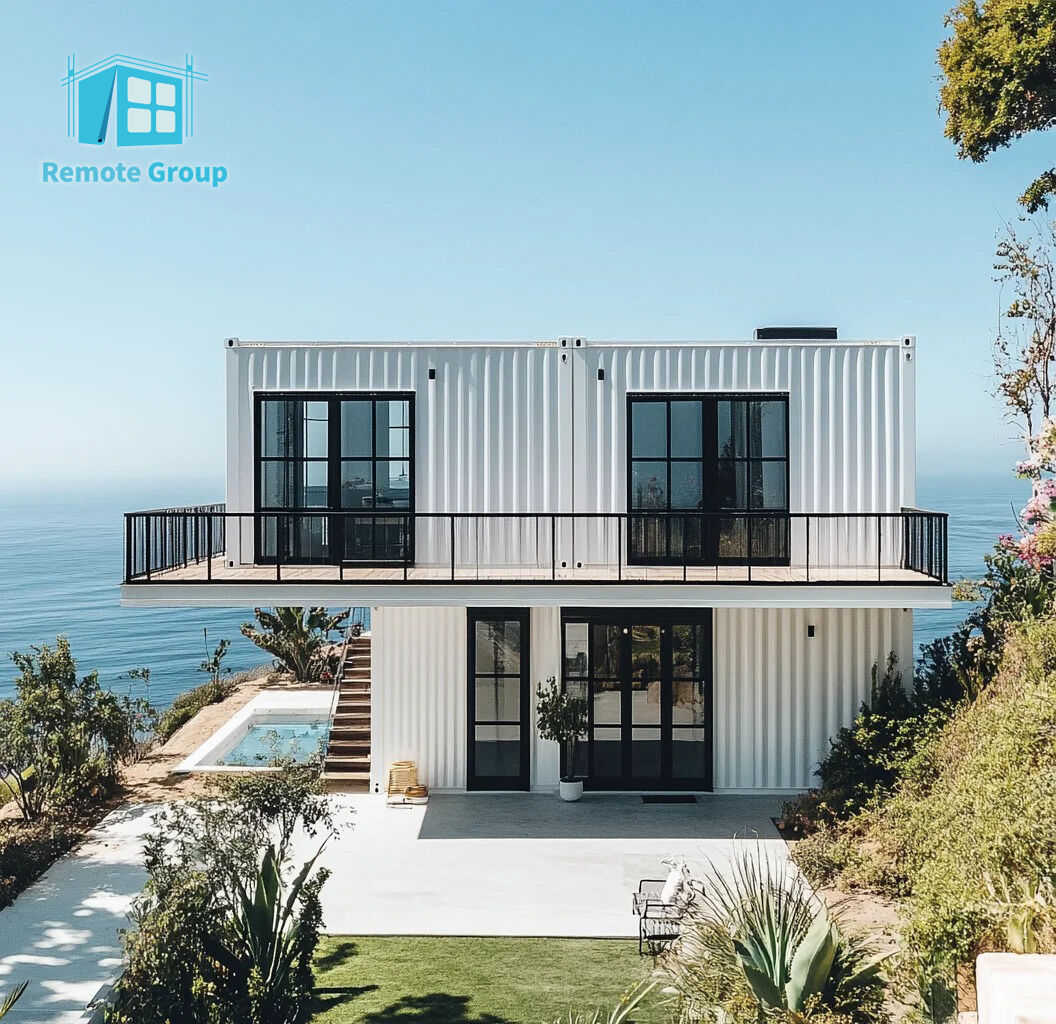
Sustainable Tourism and the Environmental Benefits of Prefab Homes
How Prefab Homes Support Sustainable and Green Tourism Development
When it comes to tackling environmental issues in the tourism sector, prefab homes actually cut down on construction waste by somewhere around 90%, thanks to how precise factory production can be (Hutter Architects found this in their 2023 study). Traditional ways of building just don't compare since they generate so much leftover material. Modular construction takes recycling seriously though, using stuff like cross laminated wood panels that get reused multiple times instead of ending up in landfills. Plus, these buildings leave local ecosystems alone when constructed near nature reserves or other delicate areas. The whole approach fits right into standards set by organizations such as GSTC for sustainable travel. For people who care about investing responsibly or simply want to vacation without guilt, these prefabricated resort options are becoming increasingly attractive choices.
Energy Efficiency and Reduced Carbon Footprint in Prefabricated Hotel Design
Hotel modules that are prefabricated tend to be about 30 to 40 percent more energy efficient compared to regular buildings because they come with standard insulation and incorporate passive solar design principles. According to some research from last year, these kinds of structures cut down on carbon emissions by around 18 metric tons each year for every 1,000 square feet. That's basically the same as taking four gas guzzlers off the road annually. Just preventing thermal bridging in those factory made walls makes a big difference too, reducing HVAC system workload by nearly 27 percent according to figures released by the U.S. Department of Energy back in 2023.
Minimizing Land Impact: Case Study of Eco-Lodges in Costa Rica
Prefab eco-lodges in Costa Ricas Osa Peninsula used helical pile foundations to preserve 92% of onsite vegetation. This approach reduced soil erosion by 78% compared to traditional concrete slabs, while cantilevered designs protected nesting habitats for endangered scarlet macaws. Post-construction biodiversity surveys found no significant decline in local species populations.
Balancing Aesthetics With Sustainability in Remote Tourist Locations
Architects now combine recycled teak facades with parametric roofing that mimics jungle canopies, achieving LEED Platinum certification without sacrificing visual appeal. In Norwegian fjord developments, prefab cabins use mirrored exteriors to blend into glacial landscapes, demonstrating how modular construction meets stringent UNESCO World Heritage Site design requirements.
Relocatable Structures for Reduced Long-Term Ecological Disruption
Seasonal safari camps in Botswana leverage relocatable prefab units that leave sites indistinguishable from untouched land after removal. A 2023 study showed this approach reduces long-term habitat fragmentation by 65% compared to permanent resorts. Off-grid modular systems with integrated solar and water recycling further prevent ecological damage in UNESCO Biosphere Reserves.
Speed and Cost-Efficiency in Developing Tourism Accommodations with Prefab Homes
Rapid Deployment of Tourist Lodgings Through Modular Construction
Prefabricated homes are changing how we build for tourism because they can be assembled on site much quicker than regular construction methods. Some studies from LinkedIn in 2024 suggest these modular systems cut down building time by about 30 to 50 percent. When parts are made off site first, workers can start preparing the actual location at the same time, so bad weather doesn't hold things up as much. This speed really matters during busy seasons when places like coastal resorts need to expand fast before winter arrives. The buildings still stand up well too thanks to careful engineering work. Take those new campgrounds with around 40 units popping up everywhere these days. They get put together in just over two months sometimes, whereas building them the old fashioned way would take almost eight months or more according to what I've heard from industry folks.
Cost-Efficient Accommodation Solutions via Prefab Scalability
Bulk manufacturing of modular units cuts material waste by 18-22% (Setupspace 2024), leveraging economies of scale. Operators save 15-20% on labor through reduced on-site staffing needs—critical in remote areas where skilled workers are scarce. Prefab standardization also simplifies budgeting, with 85% of costs fixed during factory production versus traditional projects†25-40% overrun risks.
Time Savings: Traditional vs. Prefabricated Hotel Development Timelines
Building a standard 50 room hotel takes around 14 to 18 months when done traditionally, whereas prefab construction can knock that down to just 5 or 7 months. The reason? Things happen at the same time rather than one after another. While crews are laying foundations, manufacturers are already working on those wall panels and roof trusses off site. For hotel owners, this means getting their properties open for business anywhere between six and nine months sooner each year. Makes all the difference for places that depend on seasonal demand, think mountain lodges during ski season or temporary resort setups for big events where timing is everything.
Overcoming Challenges in Remote Destinations with Modular Construction
Applications of Prefab Homes in Remote and Logistically Complex Tourist Areas
Prefabricated homes tackle some serious building problems in tough locations like mountains, islands, and sensitive natural areas where traditional construction just doesn't work well. These modular buildings come either fully assembled or broken down into parts that fit on standard transport vehicles. This approach cuts out the hassle of finding materials locally and saves around 40% on labor costs compared to conventional builds. Recent studies from the construction sector show something interesting too. Mountain resort developers who switched to prefabs saw their projects go up 60% quicker than usual without messing up the surrounding environment. Many of these sites are actually protected under UNESCO guidelines, so speed isn't everything they're after when choosing this method.
Off-Site Fabrication and Streamlined On-Site Assembly Advantages
Factory controlled production gives much better quality consistency and doesn't get held up by bad weather like happens so often in remote locations. When the main parts come already installed including all the plumbing and energy systems, workers can put together these luxury glamping units in just around two weeks instead of the three months it takes with regular construction methods. According to industry studies, this approach cuts down construction waste by about 70 percent at environmentally sensitive sites since nearly nine out of ten components are assembled elsewhere first. With less stuff happening on location, camp operators find it easier to comply with those tough environmental rules while also getting their facilities ready for guests sooner rather than later, which means money starts coming in faster too.
Design Flexibility and Aesthetic Customization of Prefab Villas for Diverse Markets
Customization and adaptability of prefab villas across tourism segments
Prefab homes today give hoteliers and resort builders the flexibility to create spaces that really speak to different kinds of travelers, all while keeping things running smoothly behind the scenes. For families looking for vacation spots, developers often go with connected villa setups featuring easy-clean surfaces that hold up against kids and pets. On the other hand, those eco-focused lodges tend to favor facades made from recycled wood along with massive windows that let guests feel completely surrounded by nature. According to the latest Hospitality Trends numbers from 2024, about two thirds of these modular travel projects actually provide at least three different room arrangements. This means operators can switch their properties from hosting yoga groups one week to business meetings the next, then maybe throw in some fancy camping experiences too, all without moving anything around much.
Enhancing visual appeal without sacrificing functionality
With advanced CAD software, architects can now combine bold design features such as cantilevered roofs and those cool geometric cladding options right alongside passive solar concepts. Frosted glass walls let people see through spaces but still create distinct private areas, while those modular green wall installations double as insulation against temperature swings and make pretty impressive focal points inside buildings. Many top firms report getting approvals about 15 to maybe even 20 percent quicker when they test out resort designs ahead of time for looks that work well together and meet all building codes requirements. This saves everyone involved a lot of back and forth during the approval process.
Architectural innovation in luxury glamping and boutique prefab resorts
Designers at the forefront of innovation are combining prefabricated modules with upscale features like sliding glass walls that transform spaces between indoors and outdoors, plus skylights that open up for great views of the night sky. Luxury eco resorts have taken modular building techniques and applied them creatively, making infinity pools that seem to blend right into the ocean landscape, along with dining areas perched among trees supported by thin steel structures. What's interesting about all this is that standard building methods actually make it possible to craft unique guest experiences. The numbers back this up too there has been around a 41 percent increase in high end modular hotel developments over the past couple years, which tells us something about where the industry is heading when it comes to balancing efficiency with exclusivity.
Scalability and Business Growth Opportunities Using Prefab Home Solutions
Scaling Tourism Ventures Efficiently with Modular Construction
Prefab homes have this modular aspect that makes for much quicker building and better control over quality standards during expansion projects. Looking at recent market research from 2024, hoteliers who go the prefab route can expand their capacity almost twice as fast compared to standard construction methods. This speed means they can react quickly when tourist seasons pick up or slow down. Many operators are now opting to bring in portable guest accommodations or grow their properties bit by bit rather than investing everything upfront. This approach cuts down on financial risk significantly while still letting them keep pace with what customers want right now versus what they thought they wanted last year.
Competitive Pricing Models Enabled by Speed and Cost-Efficiency
Prefab construction reduces labor costs by 30-45% and material waste by 22% (Modular Building Institute 2023), translating to nightly rates that undercut conventional resorts by 15-20%. This advantage is amplified in remote destinations, where modular constructions streamlined logistics cut transportation expenses by up to 40% compared to bulk material deliveries.
Future-Proofing Hospitality Infrastructure with Relocatable Units
Operators now deploy prefab villas with reversible foundation systems, enabling entire resorts to be reconfigured or relocated within 72 hours. This mobility reduces stranded assets in areas facing climate risks or shifting tourist preferences, with 83% of eco-resort managers reporting improved ROI through site adaptability (Global Sustainable Tourism Council 2024).
FAQ
What are prefab homes?
Prefab homes, or prefabricated homes, are residences built using modular construction techniques where parts are manufactured in a factory and then transported and assembled on site.
How do prefab homes contribute to sustainable tourism?
Prefab homes support sustainable tourism by reducing construction waste, minimizing land impact, and enhancing energy efficiency, making them ideal for eco-friendly tourist accommodations.
Why are prefab homes considered more energy-efficient?
Prefab homes are typically more energy-efficient due to their advanced insulation, incorporation of passive solar design principles, and elimination of thermal bridging.
Table of Contents
-
Sustainable Tourism and the Environmental Benefits of Prefab Homes
- How Prefab Homes Support Sustainable and Green Tourism Development
- Energy Efficiency and Reduced Carbon Footprint in Prefabricated Hotel Design
- Minimizing Land Impact: Case Study of Eco-Lodges in Costa Rica
- Balancing Aesthetics With Sustainability in Remote Tourist Locations
- Relocatable Structures for Reduced Long-Term Ecological Disruption
- Speed and Cost-Efficiency in Developing Tourism Accommodations with Prefab Homes
- Overcoming Challenges in Remote Destinations with Modular Construction
- Design Flexibility and Aesthetic Customization of Prefab Villas for Diverse Markets
- Scalability and Business Growth Opportunities Using Prefab Home Solutions