
 EN
EN
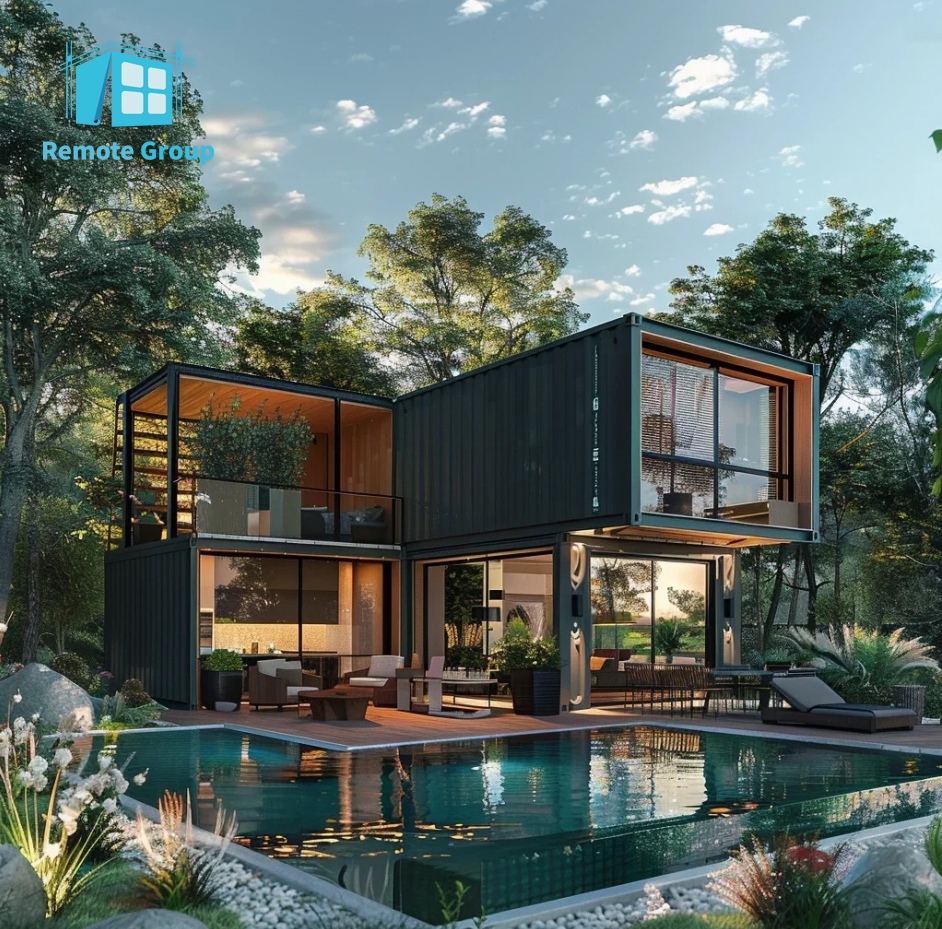
Sustainability Benefits of Prefab Homes
Reduction in Construction Waste Through Offsite Manufacturing
Prefab home construction eliminates up to 90% of material waste compared to traditional building methods (Hutter Architects, 2023). Offsite manufacturing enables precise cutting and bulk purchasing, reducing overordering and landfill contributions. Factories repurpose scraps into smaller components, ensuring efficient resource use without compromising structural integrity.
Lower Carbon Emissions in Prefab Home Construction
Centralized factory production reduces transportation needs for workers and materials, resulting in 52% lower CO2 emissions per project (Modular Building Institute, 2024). Automated machinery minimizes energy-intensive processes like concrete curing, while streamlined workflows cut fossil fuel consumption by 40% compared to conventional sites.
Use of Recycled and Locally Sourced Materials in Prefab Homes
Leading manufacturers use recycled steel, reclaimed wood, and cellulose insulation, with 70% of materials sourced within 500 miles to reduce transportation emissions. Cross-laminated timber (CLT), a low-carbon alternative to concrete, is now used in 65% of modern modular homes.
Modular Homes and the Circular Economy (Reuse, Refurbishment, Recycling)
Prefab homes support circularity: wall panels can be disassembled and relocated, and foundations often use screw piles instead of concrete to avoid site disruption. A 2023 industry report found that 85% of decommissioned modular homes are refurbished rather than demolished, extending their lifespan by 30–50 years.
Energy Efficiency in Prefab Homes and Long-Term Environmental Impact
The factory sealed seams combined with carefully installed insulation cut down air leaks by around 80 percent, which means buildings need far less energy for heating and cooling throughout the year. Research indicates that prefabricated houses equipped with built-in solar panels reach net zero energy much quicker than traditional construction methods actually do. According to data from last year's Sustainable Housing Report, such homes tend to consume about 30 percent less power across five decades because their design creates better temperature control inside. This kind of efficiency saves money while also being kinder to the environment in the long run.
Faster Construction Times and Project Predictability with Modular Techniques
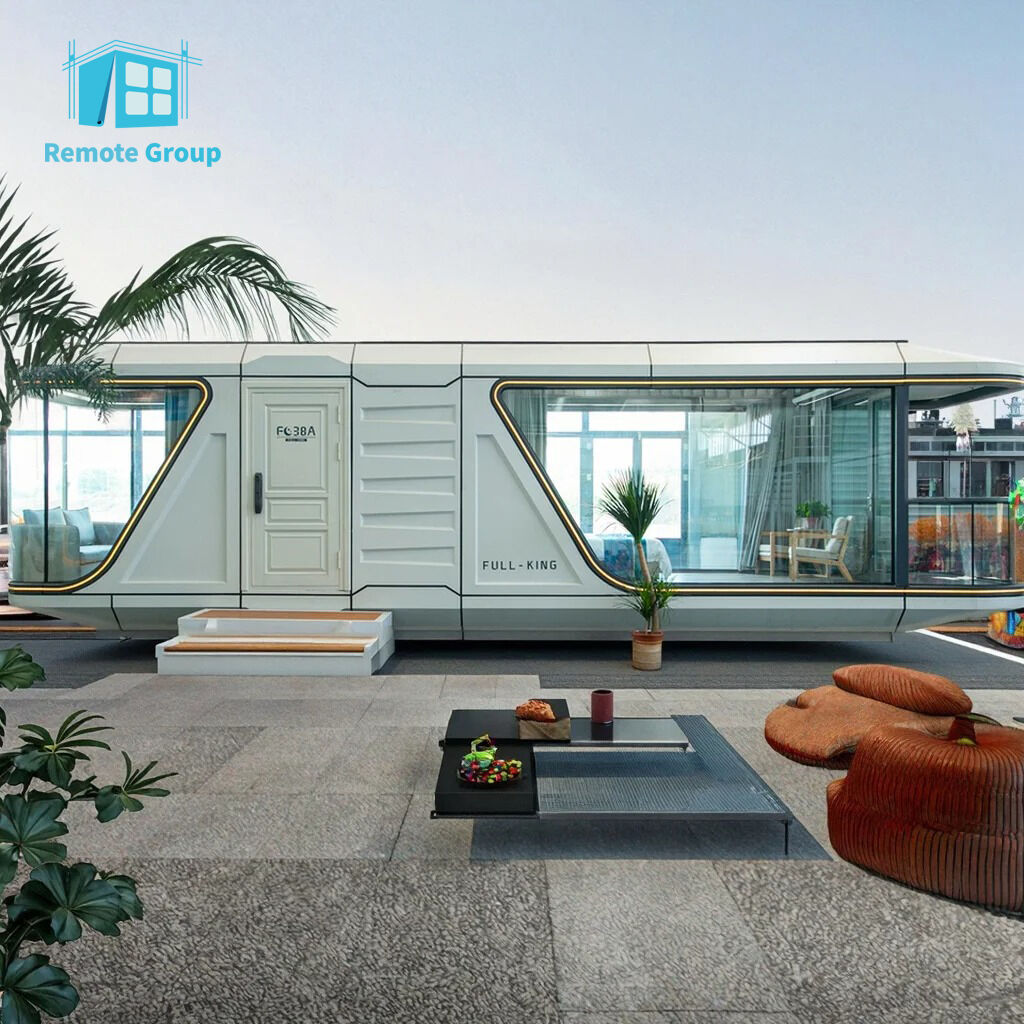
How Offsite Manufacturing Accelerates Project Timelines
Prefab construction completes up to 80% of work in climate-controlled factories while site preparation proceeds concurrently. This parallel workflow—validated by the Modular Building Institute—enables projects to finish 30–50% faster than traditional builds. Manufacturers coordinate deliveries precisely, avoiding delays from material shortages or labor gaps.
Weather-Independent Production and Year-Round Scheduling Advantages
Factory assembly avoids weather-related downtime, a major cause of delays in conventional construction. While site-built homes often face setbacks from rain, snow, or extreme heat, modular facilities maintain consistent output. This reliability allows developers to guarantee completion dates with over 90% accuracy, according to 2023 industry reports.
Case Study: Completion of a 3-Bedroom Prefab Home in Under 6 Weeks
A Denver developer delivered a fully permitted 1,800 sq. ft. prefab home in 39 days by synchronizing manufacturing with just-in-time site work. This aligns with broader trends: 72% of modular projects meet or exceed deadlines, compared to 43% of traditional builds (National Association of Home Builders, 2024).
Cost Efficiency and Scalability for Global Housing Challenges
Prefab homes enhance housing affordability through industrialized production. Factory assembly lines require 30% less labor than traditional sites (NREL, 2025), reducing on-site overhead. Bulk purchasing and minimized weather delays further improve cost efficiency.
Long-term savings come from energy-efficient designs using materials like structural insulated panels (SIPs), which cut heating and cooling costs by 40–60%. A 2025 ASHRAE Conference study found that prefab homeowners save $1,200–$1,800 annually through these innovations.
The UN-Habitat predicts that around two thirds of people worldwide will call cities home by mid century, making prefabs increasingly relevant for solving housing problems in crowded areas and rebuilding after disasters. Take what happened following those terrible fires in California last year as proof. Modular construction companies actually managed to put up about 200 homes resistant to flames within just under six weeks in affected regions. That kind of speed speaks volumes about why prefab methods matter so much these days when there are constant housing crises plus all sorts of emergencies requiring quick shelter solutions across different parts of the world.
Design Flexibility and Customization in Modern Prefab Homes
Modern Architectural Innovation in Prefabricated Housing
Modern prefab homes incorporate parametric modeling and passive solar design. A 2023 Modular Building Institute study found that 78% of architects use advanced software to optimize energy performance in prefab designs without sacrificing aesthetics. These tools enable curved rooflines, cantilevered modules, and biophilic features once considered impractical for factory-built homes.
Customization Options Without Compromising Sustainability
Homeowners can tailor layouts, finishes, and systems while meeting high environmental standards:
- Material choices: Recycled steel framing or FSC-certified wood cladding
- Energy systems: Geothermal heat pumps or solar-ready roofs
- Interior flexibility: Removable partition walls adapt to changing needs
A 2024 case study showed that 85% of prefab homeowners customized their units without exceeding LEED or Passive House sustainability benchmarks.
Balancing Standardization and Personalization in Modular Design
Builders are increasingly turning to modular component systems these days. Think of them as standardized parts that snap together much like Lego pieces for adults. Take a typical 120 square meter house for example. The basic layout often includes permanent bathroom and kitchen sections, but then there are other areas like bedrooms or offices that can actually be swapped out depending on needs. According to research published last year in Green Construction Journal, this method cuts down on construction waste by around 40 percent when compared to completely customized homes. Plus it makes sense for families who grow over time or need different spaces during various seasons of the year.
Smart Technology and Off-Grid Living in Prefab Homes
Smart Home Technology Embedded in Prefab Housing Units
Modern prefab homes integrate IoT-driven systems during design, enabling centralized control of lighting, HVAC, and security via mobile apps. Pre-installed wiring supports seamless upgrades, making these homes future-ready. Seventy-two percent of homeowners with connected climate systems reduce annual energy waste by up to 30% compared to conventional setups.
IoT-Enabled Systems for Lighting, Climate, and Security
Built-in sensors and automation optimize energy use in real time:
- Occupancy detection adjusts lighting and temperature room-by-room
- Machine learning predicts energy needs based on weather and usage patterns
- Perimeter monitoring links to emergency response networks
These systems enhance efficiency and safety while preserving clean, minimalist interiors.
Solar Integration, Rainwater Harvesting, and Self-Sustaining Systems
Top prefab designs feature 10 kW solar arrays and 15,000-liter rainwater reservoirs, achieving 80% water independence in temperate climates. Phase-change materials in walls passively regulate indoor temperatures, reducing HVAC reliance by 45%, as seen in the Australian Net-Zero Project (2024 Net-Zero Housing Report). This closed-loop model exemplifies energy-positive living.
Case Study: Net-Zero Prefab Home in Rural Australia
A solar-powered modular home in New South Wales generates 116% of its energy needs using bifacial panels and geothermal heat pumps, documented in the 2024 Net-Zero Housing Report. Its AI-managed microgrid redirects surplus power to an onsite hydroponic farm, illustrating how prefab systems enable autonomous living in remote areas.
Future Trends in Prefabricated Smart Homes and AI-Driven Living
Next-generation designs will include:
- Neural networks managing energy flow between EVs and home batteries
- Self-repairing smart glass that dynamically adjusts tint and insulation
- Nanosensors embedded in materials to detect structural stress
Early prototypes demonstrate 95% fault prediction accuracy, signaling a shift from reactive to anticipatory home ecosystems.
FAQ
What are the main sustainability benefits of prefab homes?
Prefab homes significantly reduce construction waste, lower carbon emissions, and utilize recycled and locally sourced materials, which contribute to sustainability.
How do prefab homes contribute to faster construction times?
Prefab homes are largely constructed in climate-controlled factories while site preparation occurs simultaneously, which reduces construction time by 30–50% compared to traditional methods.
Are prefab homes cost-effective?
Yes, prefab homes reduce labor costs, weather delays, and utilize energy-efficient designs to provide long-term savings.
Can I customize a prefab home without compromising sustainability?
Yes, 85% of prefab homeowners have customized their homes in line with sustainability benchmarks like LEED and Passive House standards.
Table of Contents
-
Sustainability Benefits of Prefab Homes
- Reduction in Construction Waste Through Offsite Manufacturing
- Lower Carbon Emissions in Prefab Home Construction
- Use of Recycled and Locally Sourced Materials in Prefab Homes
- Modular Homes and the Circular Economy (Reuse, Refurbishment, Recycling)
- Energy Efficiency in Prefab Homes and Long-Term Environmental Impact
- Faster Construction Times and Project Predictability with Modular Techniques
- Cost Efficiency and Scalability for Global Housing Challenges
- Design Flexibility and Customization in Modern Prefab Homes
- Smart Technology and Off-Grid Living in Prefab Homes
- FAQ