
 EN
EN
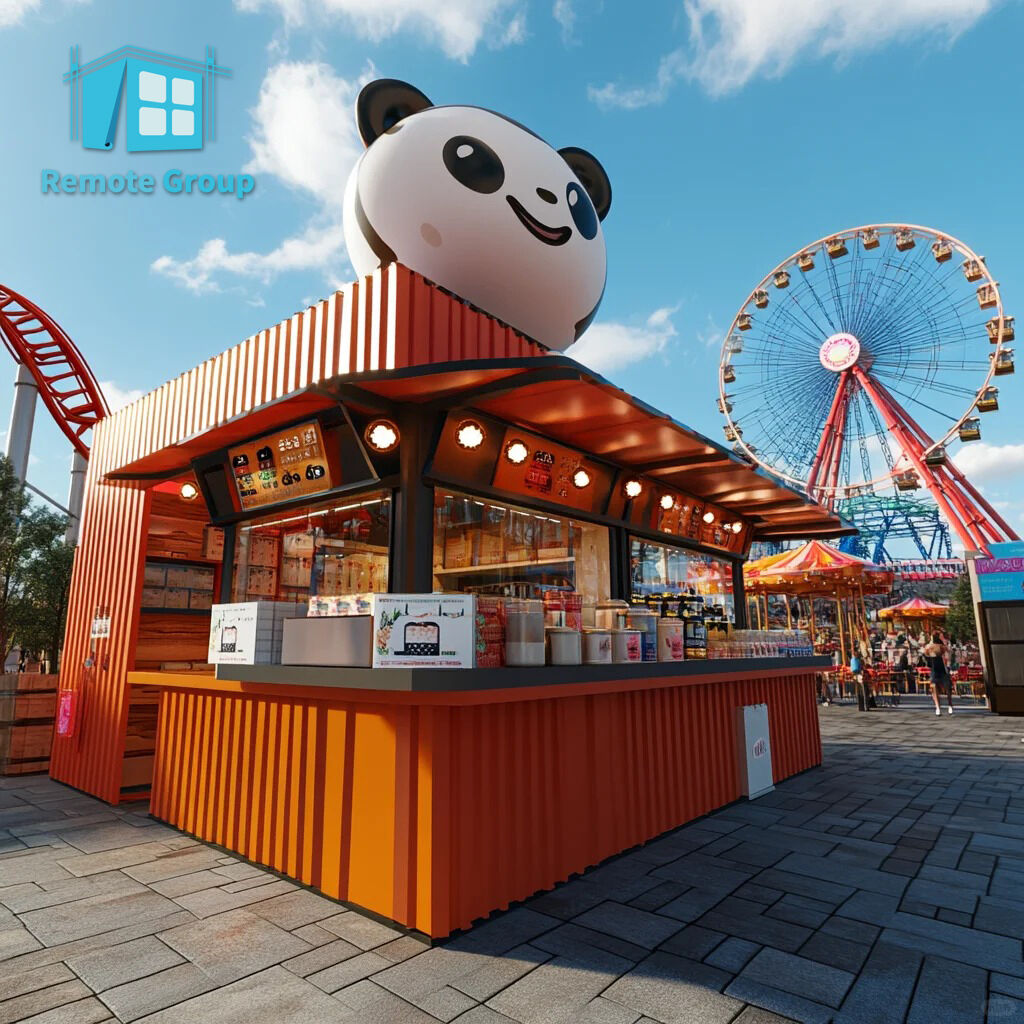
Why Container Houses Are Ideal for Children's Play Areas
The Rise of Shipping Container Playgrounds in Urban Spaces
More and more cities around the globe are turning to shipping container playgrounds as a solution when there just isn't enough green space available. According to recent data from the Urban Play Initiatives folks, we've seen something like a 70-something percent jump in these kinds of projects across big cities over the past year. What makes these container parks so appealing? Well, they fit right into those cramped urban spaces and can be customized all sorts of ways. Some have climbing walls attached to the sides of the containers, others feature cool rooftop viewing platforms where kids can look out over the cityscape. The fact that containers come in standard sizes actually makes getting permits from local authorities much easier than dealing with traditional playground construction. This means these creative play areas get built faster, especially in communities that really need them but haven't had access before.
Structural Advantages of Container Houses for Play Environments
Steel framed containers offer real safety benefits because they can withstand strong winds and are made with materials that resist fire, which means they meet those important ASTM F1487 playground safety standards. The way these containers are designed lets them stack together easily to create different levels and heights, something kids love when building their own imaginary worlds. Take Springfield for instance where officials cut down on construction time by almost two thirds when they used these ready made container units complete with slides and crawl spaces already installed. Compared to traditional wooden play equipment, steel doesn't rot away or get eaten by insects, nor does it break down from exposure to rain and sun. Maintenance bills tend to stay much lower too, around half what wooden structures would cost over ten years according to research published by Urban Parks Alliance last year.
Sustainability and Cost-Effectiveness of Repurposed Containers
When old shipping containers get repurposed instead of ending up in landfills, each one keeps around 7,500 kilograms of carbon dioxide out of our atmosphere. Many school districts across the country have managed to slash their playground spending by roughly 40 percent through container donations, which means they can invest those savings into better educational materials and safer ground coverings for kids. According to a survey last year, most parents seem to favor playgrounds that incorporate green elements. Container structures actually got significantly better marks from communities compared to traditional plastic equipment, something that local councils noticed when making decisions about new builds. What makes this approach really work long term is that steel containers can be taken apart and rebuilt as children grow and their interests change over time. This adaptability factor has become increasingly important for planners trying to create spaces that will remain relevant and useful for years to come.
Design Principles for Safe and Engaging Container Playgrounds
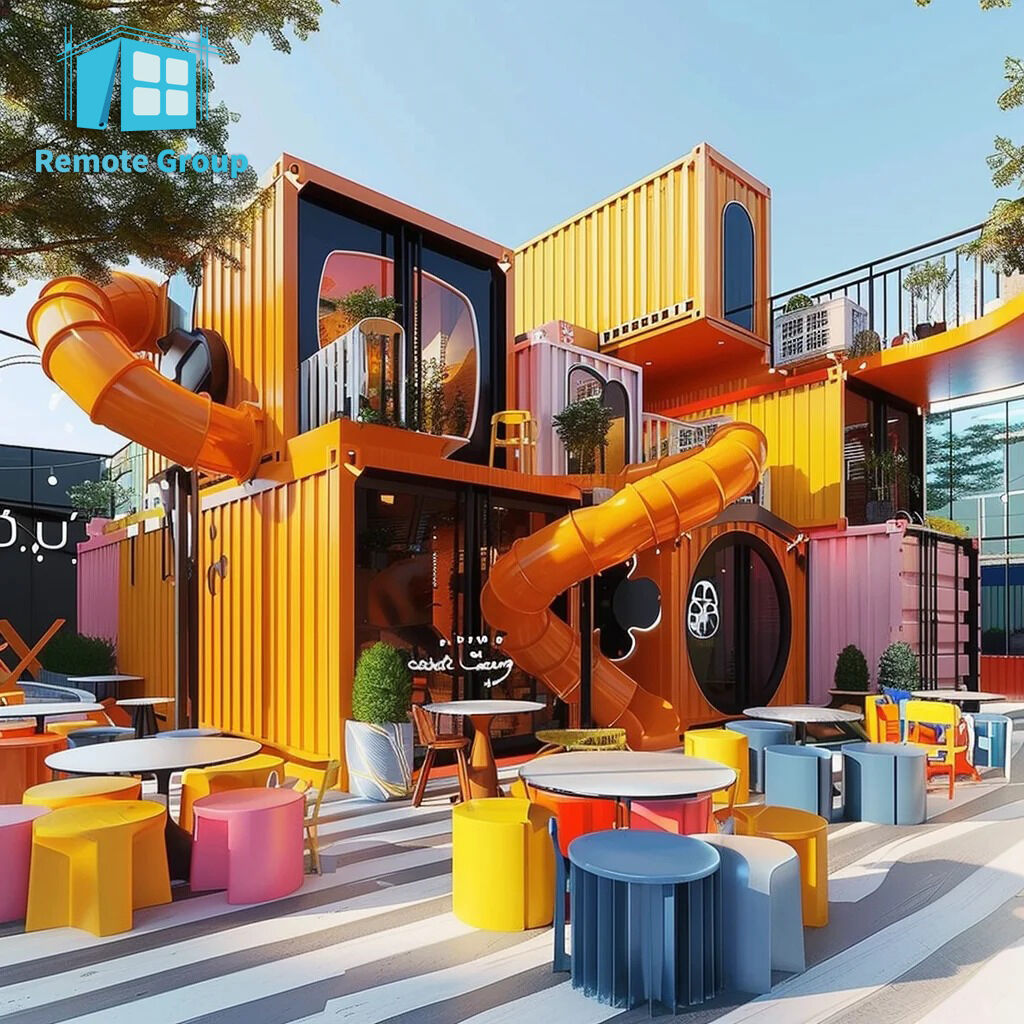
Key Safety Features: Ventilation, Edging, and Stability
When it comes to container based playgrounds, safety is really front of mind for designers who focus on three main aspects. For breathing space inside these converted containers, most builders install proper ventilation systems like big windows or strategically placed vents throughout the structure. The World Health Organization actually recommends certain air quality levels back in 2021 which these setups typically meet. Then there's the matter of those dangerous corners we all know kids love to bump into. Most modern designs eliminate sharp edges entirely by adding rounded corner protectors and soft padding materials across high impact areas. And let's not forget about keeping everything stable! Good container playgrounds have solid foundations anchored properly to the ground, plus careful calculations about how weight distributes across different parts of the structure. Some recent research from last year showed something pretty impressive too. Playgrounds built according to those official ASTM safety guidelines saw a massive drop in injuries around 62 percent lower than older setups that didn't follow them.
Modular and Stackable Container Configurations for Kids
The inherent modularity of container houses allows limitless creative layouts. Stacked units create multi-level climbing zones, while side-by-side configurations form obstacle courses or themed play villages. Durability guidelines recommend using reinforced ISO-certified containers that withstand 10+ years of active play while maintaining structural integrity.
Integrating Container Houses into Semi-Outdoor and School Playgrounds
Schools leverage container playgrounds as weather-resistant extensions of traditional play areas. One public school district reported a 40% increase in recess participation after installing semi-covered container play zones with climbing walls and interactive panels. Designs often incorporate removable side panels for outdoor airflow or transparent roofing for light control.
Balancing Creative Design with Child Safety Standards
Successful projects blend imagination with practicality. A 2023 industry analysis showed themed container playgrounds using certified impact-resistant surfaces and rounded fixtures achieved 89% parent satisfaction rates without compromising safety certifications. Regular audits ensure features like rail heights (minimum 38") and guardrail spacing (<3.5") align with CPSC guidelines.
Creative Themed Play Spaces Using Container Houses
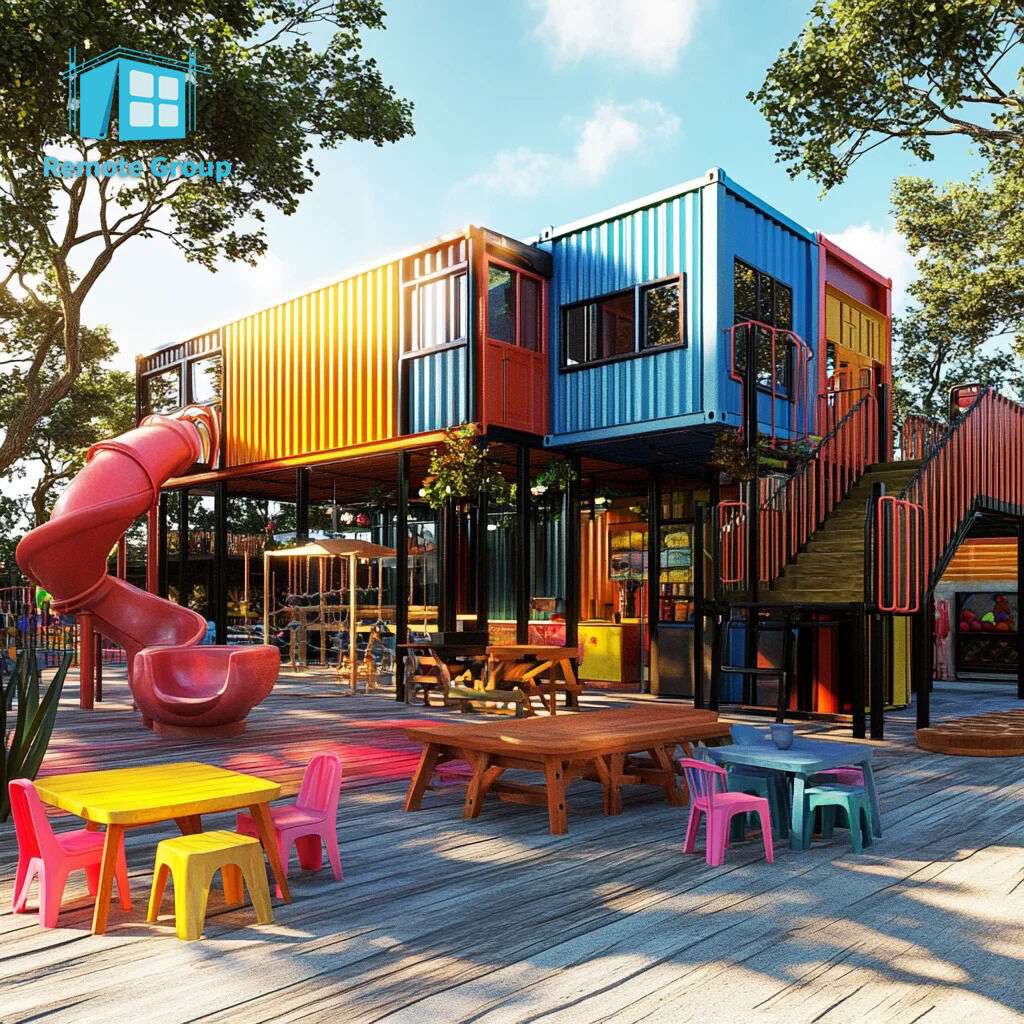
Transforming Containers into Pirate Ships, Space Stations, and Dinosaur Parks
People are starting to see shipping containers not just as storage units but as amazing places where kids can really let their imaginations run wild. Designers across cities have been turning these big metal boxes into all sorts of fun things lately. Some look like real pirate ships complete with old fashioned rope ladders hanging down and little observation decks at the top. Others resemble futuristic space stations with buttons and screens that kids can press and explore. There's even ones that transform into ancient worlds filled with giant dinosaur shadows cast against the sides. According to research published last year on playground innovations, when containers get this creative treatment, children tend to spend about twice as much time playing there compared to regular playground equipment. What makes this approach work so well is that the basic building blocks remain intact – those sturdy containers still stack together easily – but they come equipped with special features for safety like rounded corners, secure handholds, and soft landing surfaces for when kids slide down from high spots.
Customizing Themed Playhouses to Support Child Development
Themed container playhouses are strategically designed to foster skill development. A pirate ship layout encourages teamwork through shared "treasure hunts," while space station setups promote problem-solving with modular puzzle walls. Occupational therapists emphasize that such environments improve spatial reasoning and social interaction in children aged 3–8.
Case Study: Successful Themed Container Play Areas in Public Parks
Downtown Las Vegas Container Park demonstrates how repurposed shipping containers can create urban play hubs. Its centerpiece—a multi-level play structure made from 11 containers—combines a treehouse theme with art installations, attracting 12,000 monthly visitors since its 2014 launch.
Aligning Imagination-Based Themes with Educational Goals
Educators recommend aligning container themes with curricular objectives—dinosaur parks for paleontology basics or jungle outposts for ecosystem studies. This approach merges unstructured play with STEAM learning, creating environments where 73% of teachers observe improved student engagement during field trips.
Community and Urban Applications of Container-Based Play Zones
Container Playgrounds in High-Density Urban and Underserved Areas
Container conversions are becoming popular solutions for finding play spaces in crowded city areas where open ground is hard to come by. Recent research from urban planners shows something pretty shocking actually - about three quarters of poorer neighborhoods don't have proper playgrounds at all. That's where these repurposed containers really shine. They can be built in modules that take up around forty percent less room compared to regular playground setups. Take Shinjuku in Tokyo as just one case study. There they stacked several shipping containers together to create this amazing multi level playground right on a tiny 900 square foot lot. Now hundreds of kids get to play there every single day despite how small the space originally was.
Mobile and Pop-Up Container Play Installations for Community Events
Container playgrounds work really well for bringing life into public areas during festivals or when cities are trying to rebuild. Take Las Vegas downtown for example they transformed eight old shipping containers into this awesome pirate themed play area that gets around 15 thousand people coming through every month. What makes these setups so great is how fast they go together just takes about three days total. And once assembled, they're super flexible too. Schools love them for their annual fairs, while emergency crews sometimes repurpose them for relief work after disasters. The special connecting panels make switching themes quick and easy, so one day it could be pirates and next week something completely different.
Eco-Friendly Playground Development Using Recycled Container Houses
Each repurposed container playground diverts 3.5 tons of steel from landfills while maintaining structural integrity for 25+ years. Non-toxic, powder-coated finishes and solar-panel roofing align with LEED certification standards, reducing operational costs by 60% compared to conventional play structures.
Collaborative Planning: Schools and Municipalities Using Containers for Play
Joint initiatives between educators and city planners have transformed 120+ schoolyards since 2022 using container playhouses. These partnerships prioritize dual-purpose designs—storage compartments double as climbing walls, while retractable roofs enable outdoor classrooms. Shared funding models keep per-project costs below $28k, making scalable solutions feasible across diverse communities.
FAQ Section
What are the benefits of using container houses for playgrounds?
Container houses offer structural advantages like safety and durability, they can be customized creatively, are easy to build in urban spaces, and are cost-effective and sustainable.
How do container playgrounds align with child safety standards?
Designers ensure proper ventilation, eliminate sharp edges, and anchor playgrounds so they meet safety standards. This design significantly reduces injury rates.
How are themed container playhouses beneficial for child development?
Themed playhouses encourage teamwork, problem-solving, and improve spatial reasoning and social skills, aiding in children's development.
What makes container playgrounds environmentally friendly?
Using recycled containers prevents landfill waste and reduces carbon emissions, while non-toxic finishes and solar panels enhance sustainability.