
 EN
EN
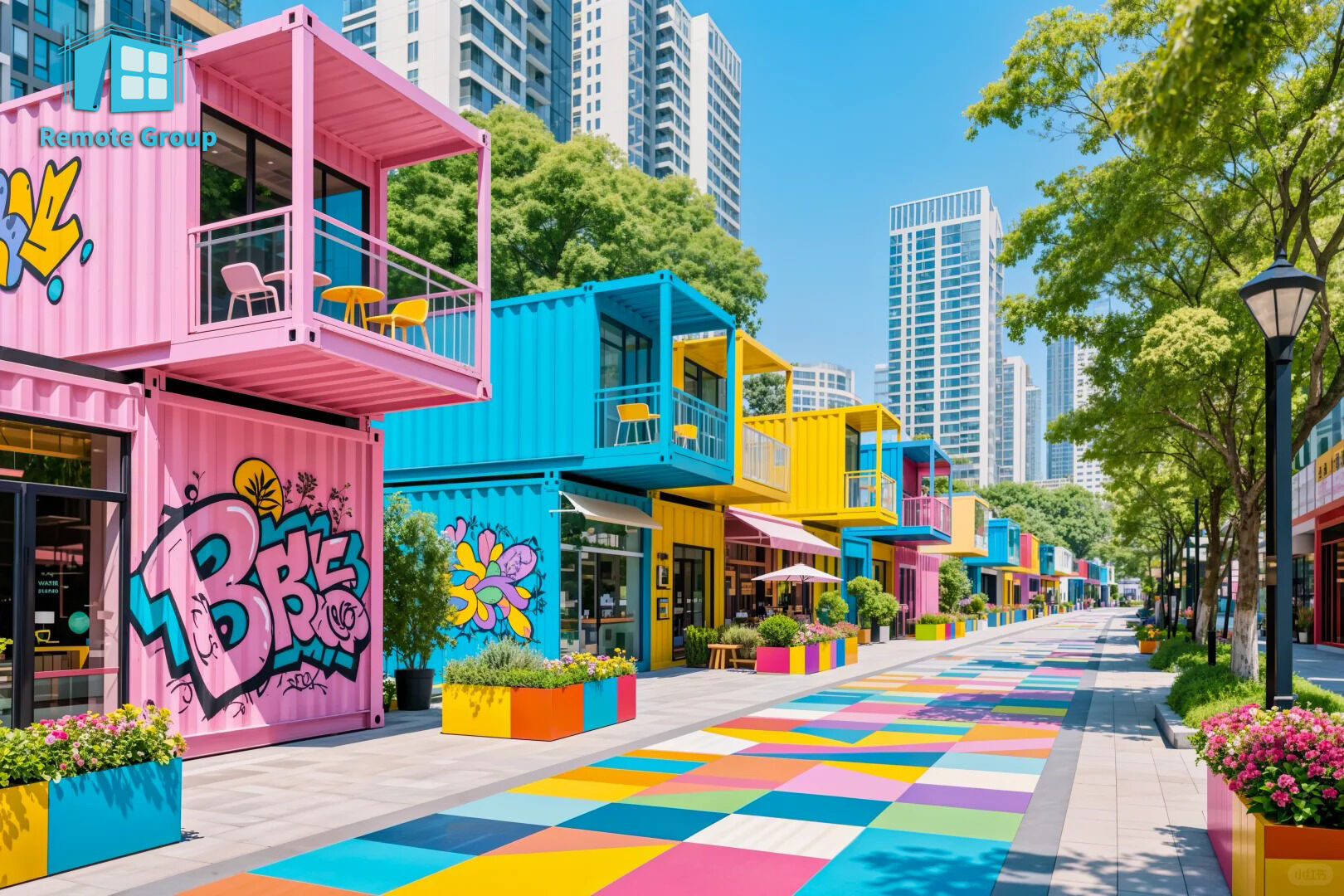
Phenomenon: Rising Demand for Inclusive Design in Prefab Home Development
These days, home buyers care a lot more about fairness in housing than they used to. A recent study from the Urban Land Institute found that around 7 out of 10 millennials want their voices heard when new developments are planned. Because of this changing attitude, companies making prefabricated homes are starting to rethink how they design their products. They're no longer just sticking to the same old blueprints but instead creating homes that actually work for the communities where they'll be built. Manufacturers now try to tackle real problems like what people can afford and what kind of homes fit with local traditions and lifestyles.
Principle: Integrating Stakeholder Input in Modular Design Processes
Leading prefab developers now conduct structured workshops with four key stakeholder groups:
- Future residents (40% of workshop time)
- Local planning authorities (25%)
- Social services providers (20%)
- Construction teams (15%)
This matrix ensures modular components meet both regulatory requirements and occupant needs. A 2023 Autodesk study found projects using this approach reduced post-occupancy redesign costs by 32% compared to traditional prefab developments.
Case Study: Co-Design Workshops in a Scandinavian Prefab Social Housing Project
The Malmö Living Lab project implemented biweekly co-design charrettes over 18 months, engaging 120 future residents in configuring 300 modular units. Key outcomes included:
| Design Feature | Resident Contribution | Implementation Rate |
|---|---|---|
| Balcony sizes | 82% requested expansion | 100% implemented |
| Shared laundry | 67% preferred decentralized | Hybrid system created |
| Wall materials | 94% chose sound-dampening | Full adoption |
Post-occupancy surveys showed 41% higher community satisfaction scores than non-participatory prefab projects in the region.
Trend: Digital Platforms Enabling Real-Time Community Feedback on Prefab Designs
Cloud-based configurators now allow neighborhoods to vote on facade treatments using 3D visualizations, allocate communal spaces via drag-and-drop tools, and prioritize sustainability features within budget constraints. According to the 2024 PrefabTech Report, 58% of community-led projects using these tools achieved planning approval 23% faster than conventional submissions.
Strategy: Building Trust Through Transparent, Iterative Design Engagement
Top-performing prefab firms employ a three-phase engagement model:
Phase 1: Digital town halls explaining modular construction capabilities
Phase 2: Physical model clinics for hands-on customization
Phase 3: VR walkthroughs of community-suggested designs
This approach reduced NIMBY (Not In My Backyard) opposition by 54% in a 2023 University of Cambridge study of European social housing projects.
Inclusive Community Development Through Prefab Housing
The rise of prefab homes is starting to level the playing field in cities where fast growth leaves many people behind. Traditional housing just doesn't cut it for folks across different income levels anymore. Developers are finding ways to blend the speed of modular building with flexible designs so they can build neighborhoods where rich and poor live side by side without looking out of place. According to UN-Habitat's latest numbers from 2023, there's been almost double the number of these mixed-income prefab developments compared to regular construction methods. The secret sauce? Standardized parts that bring down prices but still stand up to wear and tear over time. This trend makes sense when we think about how expensive land has become in urban centers.
Overcoming Stigma: Redesigning Perceptions of Modular Living
Modular housing got a lot of flak back in the day for those same old designs that didn't really consider local culture. Take the Indigenous housing projects in Canada around 2021, for instance. The standard floor plans just didn't fit with what communities wanted or needed, creating real problems with tradition. Things are changing though, thanks to these new participatory approaches. Look at British Columbia's 2023 project where residents actually helped design their own neighborhood. They incorporated traditional art into the buildings and made rooms adaptable instead of fixed spaces. Residents there reported something like 40 percent more satisfaction compared to similar projects, which says a lot about getting design right when it matters most to people.
Controversy Analysis: Balancing Standardization with Cultural Specificity
There's still plenty of back and forth about whether fast production methods clash with respecting local culture. Some people worry that using prefabricated buildings might wipe out what makes places unique. But take a look at Chile's Modular Habitat Project for example. They've come up with facades that can be changed around and community spaces that work across different regions without breaking the bank. The approach cuts down on building time quite a bit, maybe around 25 to 30 percent according to some reports. What's interesting is how these developments end up looking right at home in their surroundings, preserving the character that residents care about while getting built faster than traditional methods.
Fostering Social Cohesion and Belonging in Prefab Housing Communities
Designing Communal Spaces in Modular Home Layouts to Encourage Interaction
Modern prefab home developments increasingly prioritize shared areas that foster connection. A 2024 study found projects with centralized courtyards and multipurpose lounges saw 40% more resident interactions than conventional layouts. Strategic placement of community kitchens and playgrounds within walking distance of all units strengthens neighborhood bonds while maintaining private living spaces.
Case Study: Shared Gardens and Gathering Hubs in a California Prefab Workforce Housing Complex
The new 320 unit complex just outside of San Jose shows how prefabricated homes can actually bring people together. After living there for a while, most folks stick around the shared veggie patches and workspaces. About 9 out of 10 residents report hanging out in these areas regularly, which beats the regular apartment buildings nearby by almost a third. And guess what? People aren't complaining about feeling lonely anymore. The number of isolation complaints dropped nearly 60% from what we saw in older worker housing setups. Makes sense really when everyone has somewhere nice to gather and get things done together.
Psychological Impact of Customizable Facades on Resident Identity
Allowing personalization of exterior finishes and entryway designs helps residents develop neighborhood pride. Projects offering three or more facade options report 27% higher long-term occupancy rates, as noted in urban planning journals. This “design democracy” approach transforms generic housing into communities with visual character.
Trend: Biophilic and Human-Centric Design Enhancing Social Sustainability
Emerging prefab developments incorporate natural wood accents, indoor-outdoor sightlines, and acoustic zoning to reduce conflict triggers. Developments using these principles show a 19% reduction in noise complaints, creating environments where spontaneous social exchanges thrive organically.
Flexibility and Adaptability in Prefab Home Design for Diverse Populations
Modular Architecture Enabling Life-Stage Responsive Living Spaces
Prefab homes use modular building methods to make living spaces that can change as people's lives do. Traditional houses just don't offer this kind of flexibility. With prefab structures, homeowners can actually move walls around or tack on new sections in a matter of weeks instead of waiting months for renovations. Think about a newlywed couple starting out in a small two bedroom setup. As kids come along, they simply stack additional modules on top without compromising how solid the house feels or its ability to keep energy costs down. The Modular Building Institute reports something pretty impressive here too: this adaptable approach cuts down construction waste by nearly two thirds when compared to regular home additions.
Customization Options in Prefab Homes to Meet Individual Needs
The true power of prefab design lies in its tailored solutions for diverse demographics. From wheelchair-accessible layouts to soundproofed home offices, manufacturers now offer 200+ adjustable parameters in base models. This adaptability is further enhanced by extensive contemporary prefabricated housing design flexibility, allowing homeowners to modify:
| Customization Aspect | Traditional Home | Prefab Home |
|---|---|---|
| Layout Changes | 6-12 months | 2-4 weeks |
| Cost per Modification | $18k-$45k | $4k-$12k |
| Carbon Footprint | 8.2 tCO₂e | 1.9 tCO₂e |
Case Study: Adaptable Units for Aging Populations in Japanese Prefab Communities
The Silver Housing Initiative in Japan shows just how prefabricated buildings can tackle population issues head on. Most units have those special stairs that turn into elevators when needed, plus bathrooms designed with gentle slopes instead of steps, and lights that automatically come on thanks to sensors around the place. People living there tend to stay independent for about seven extra years compared to regular retirement homes. And cities are actually saving around 290 million dollars every year on support services because of this setup according to the Japan Prefab Association report from last year.
Strategy: Scalable Floor Plans That Evolve With Family Dynamics
Top manufacturers are starting to use smart configurators powered by artificial intelligence these days. These tools can actually forecast space requirements looking at things like how big families tend to grow, where people's careers are headed, and even what health trends suggest for different age groups. Take a look at typical three stage floor plans for instance. They often start as open plan lofts when someone is just beginning their career path. Then as kids come along, the layout changes into separate areas that work better for families. And finally in retirement years, many homes get converted into spaces that accommodate multiple generations living together again. All of this happens without needing to change the basic footprint of the original building itself.
Social Sustainability and Affordable Housing Solutions Through Prefab Homes
Prefab Construction as a Catalyst for Equitable Workforce Housing Development
The rise of prefabricated homes is changing the game when it comes to fixing housing problems in our cities. According to a recent industry report from 2024, building homes in modules instead of on site can cut down construction time anywhere between 30 to maybe even 50 percent. That means developers can get these much needed workforce housing units into place much quicker, especially in those hot urban markets where demand outpaces supply. For mixed income neighborhoods, this kind of speed makes all the difference. Lower carrying costs for builders translate to real savings, which then helps bring down prices so more people actually have access to affordable housing options without waiting years for completion.
Data Point: 40% Faster Deployment of Affordable Housing Units Using Prefabrication (McKinsey, 2022)
McKinsey’s research reveals that prefab techniques cut construction schedules by 40%, a critical advantage in regions where housing shortages have reached crisis levels. For example, a single modular factory can produce 500+ units annually—equivalent to 10 traditional construction sites working simultaneously.
Enhancing Accessibility Across Social Groups with Smartly Designed Modular Units
Forward-thinking designs now incorporate adjustable floor plans and universal accessibility features, ensuring prefab homes serve diverse populations—from aging residents to neurodiverse families. Case studies show communities using sliding partition walls and convertible spaces have increased resident satisfaction by 62% while maintaining cost-efficiency.
Industry Paradox: Cost Efficiency vs. Perceived Quality in Low-Income Projects
Despite the 20–30% cost savings of prefabrication, lingering perceptions of “cheap modular housing” persist. Leading developers combat this stigma by showcasing high-quality finishes and energy-efficient materials in affordable projects—proving that standardization doesn’t preclude durability. Transparent community engagement during the design phase further builds trust in modular solutions.
FAQ
What is the main advantage of involving communities in prefabricated housing design?
Involving communities ensures that housing designs meet local needs, cultural preferences, and affordable pricing, leading to higher satisfaction and reduced redesign costs.
How do digital platforms contribute to prefabricated home design?
Digital platforms allow real-time community feedback, enabling interactive design participation and leading to faster approval and satisfaction rates in housing projects.
What is modular architecture's impact on family dynamic adaptation?
Modular architecture allows living spaces to be adjusted easily, accommodating family growth and change without the complexity of traditional renovations.
How does prefab construction support affordable housing development?
Prefab construction reduces build time and costs significantly, allowing rapid deployment of affordable housing solutions in high-demand urban areas, fostering equitable housing opportunities.
Table of Contents
- Phenomenon: Rising Demand for Inclusive Design in Prefab Home Development
- Principle: Integrating Stakeholder Input in Modular Design Processes
- Case Study: Co-Design Workshops in a Scandinavian Prefab Social Housing Project
- Trend: Digital Platforms Enabling Real-Time Community Feedback on Prefab Designs
- Strategy: Building Trust Through Transparent, Iterative Design Engagement
- Inclusive Community Development Through Prefab Housing
-
Fostering Social Cohesion and Belonging in Prefab Housing Communities
- Designing Communal Spaces in Modular Home Layouts to Encourage Interaction
- Case Study: Shared Gardens and Gathering Hubs in a California Prefab Workforce Housing Complex
- Psychological Impact of Customizable Facades on Resident Identity
- Trend: Biophilic and Human-Centric Design Enhancing Social Sustainability
- Flexibility and Adaptability in Prefab Home Design for Diverse Populations
- Social Sustainability and Affordable Housing Solutions Through Prefab Homes
- Prefab Construction as a Catalyst for Equitable Workforce Housing Development
- FAQ