
 EN
EN
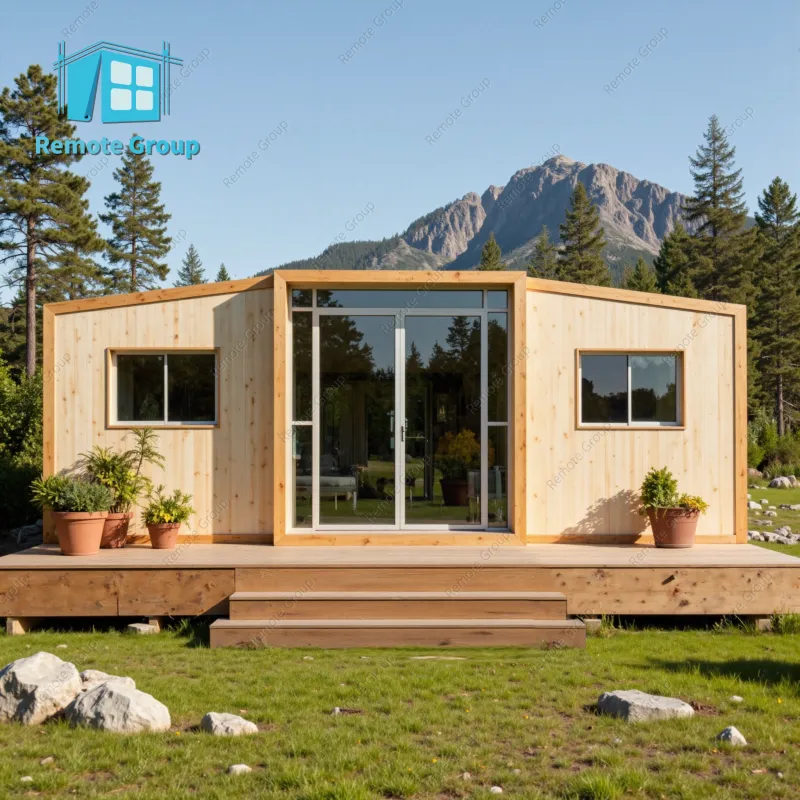
Define a Cohesive Design Identity with Hybrid Style Fusion
Balancing industrial container aesthetics with intentional warmth and refinement
A container home naturally carries a raw, industrial character—corrugated steel, sharp lines, and exposed structure. Rather than masking these traits, leading designers embrace them as foundational elements and layer in warmth and refinement to create a balanced, livable environment. This hybrid style fusion hinges on thoughtful contrast: pairing cold steel with warm wood, softening hard edges with organic textures, and using layered lighting to modulate mood and scale. Reclaimed wood for accent walls or flooring adds tactile richness and narrative depth, while matte black steel fixtures reinforce the structural integrity of the shell. The result isn’t a compromise—it’s a deliberate synthesis that transforms utilitarian origins into a refined, inviting home.
Case study: Scandinavian-modern container home using reclaimed wood and matte black steel
A 320-square-foot single-container home exemplifies this approach, merging Scandinavian minimalism with modern industrial sensibility. Wide-plank reclaimed pine wraps the main living wall and ceiling, infusing hygge-inspired warmth and material history. Matte black steel frames for windows and doors echo the container’s original profile, while coordinated black pendants and stove anchor the kitchen visually. White walls and light grey upholstery maintain airiness without diluting cohesion. Crucially, restraint defines the design: no more than two dominant materials and a tightly edited palette ensure clarity and calm. This project demonstrates how constraints—narrow width, fixed dimensions—can catalyze a distinctive, human-centered identity when guided by intentional fusion.
Optimize Layout Efficiency for Small-Space Living in Container Homes
Open-zone planning: Using lighting, texture, and furniture placement to define function without walls
In container homes—where interior widths rarely exceed 8 feet—traditional room divisions are impractical. Instead, open-zone planning leverages non-structural cues to assign purpose and rhythm. A focused pendant light over a dining nook establishes its presence; a wool rug under a sofa grounds the living area; a console table behind the sofa offers subtle spatial definition without obstructing sightlines. These layered interventions preserve visual continuity and perceived volume while giving each zone clear behavioral cues. The outcome is a narrow footprint that feels intentionally composed—not cramped—because function emerges from design intelligence, not physical barriers.
Proven flow patterns: Why linear and L-shaped layouts dominate high-satisfaction container homes
Occupant satisfaction data consistently favors two layout typologies: linear and L-shaped configurations. Linear arrangements align kitchen, dining, and living along a single axis—ideal for single-container builds—minimizing circulation waste and streamlining utility runs. L-shaped plans, typically found in multi-container designs, introduce a strategic bend that enhances privacy and spatial variety; placing the bedroom in the “leg” creates a quiet, self-contained zone separated from shared areas. Both patterns reduce construction complexity, simplify plumbing and electrical routing, and support intuitive movement—key contributors to long-term livability in compact dwellings.
Maximize Vertical Space and Smart Storage in Container Homes
From ceiling rails to under-loft niches: Purpose-built storage that preserves floor area
Vertical space is the most underutilized asset in container homes—and the most critical to leverage. Ceiling-mounted rail systems convert overhead zones into functional storage: ideal for hanging bikes, foldable furniture, or kitchen tools without encroaching on floor area. Under-loft niches—built into the plinth beneath elevated sleeping platforms—turn otherwise dead space into accessible, organized storage for luggage, seasonal gear, or linens. Tall, modular floor-to-ceiling shelving serves dual roles: it houses belongings efficiently and acts as a soft spatial divider, reinforcing zone identity without walls. These integrated solutions don’t just hide clutter—they actively expand the perception of space while safeguarding essential circulation paths.
Select Multifunctional Furniture Designed for Container Home Constraints
Modular systems that adapt daily—beds become desks, walls become storage walls
In a container home, every element must serve multiple purposes without sacrificing clarity. Wall-mounted Murphy beds fold up to reveal full-height desks and integrated shelving—transforming a sleeping area into a productive workspace in seconds. Expandable dining tables retract to console size for everyday use and extend seamlessly for guests. Storage walls combine hooks, adjustable shelves, and concealed cabinets behind sleek panels, turning blank surfaces into high-capacity organizational hubs. Even seating pulls double duty: ottomans with lift-up lids conceal blankets or off-season items. These systems enable one room to fluidly support sleep, work, dining, and relaxation—proving that spatial efficiency need not come at the cost of flexibility or intention.
Ergonomic reality check: When versatility shouldn’t sacrifice comfort or longevity
Multifunctionality only works if it endures—and feels good to use daily. A sofa bed that sags after three months or a desk that wobbles during video calls undermines the entire premise. Prioritize pieces built with structural integrity: powder-coated steel frames, high-density foam seating, and commercial-grade hinges and mechanisms. Test ergonomics rigorously—a dining table repurposed as a workstation must meet standard desk height (29–30 inches) for healthy typing posture, and a Murphy bed’s mattress should provide adequate lumbar support and motion isolation for restful sleep. Avoid novelty-driven designs that trade durability for cleverness. The most successful multifunctional furniture in container homes delivers seamless adaptation and uncompromised comfort—backed by materials and engineering suited to daily, long-term use.
FAQ Section
What is hybrid style fusion in container home design? Hybrid style fusion is a design approach that combines industrial elements of container homes, like raw steel, with warm and refined materials such as wood and organic textures to create a cozy yet modern living space.
What are the advantages of open-zone planning in container homes? Open-zone planning maximizes limited space in container homes by defining functional areas using lighting, furniture placement, and textures instead of solid walls, maintaining a sense of openness and flow.
How can I optimize storage in a container home? Use ceiling-mounted rail systems, under-loft niches, and modular floor-to-ceiling shelving to utilize vertical space efficiently while maintaining essential floor space and circulation.
What are some multifunctional furniture ideas for container homes? Examples include wall-mounted Murphy beds that convert into desks, expandable dining tables, storage walls with adjustable shelves, and ottomans with hidden storage for flexibility and functionality.
How can I ensure the durability of multifunctional furniture? Look for furniture built with quality materials like powder-coated steel, high-density foam, and commercial-grade mechanisms. Also, prioritize ergonomic designs that cater to frequent, long-term use.