
 EN
EN
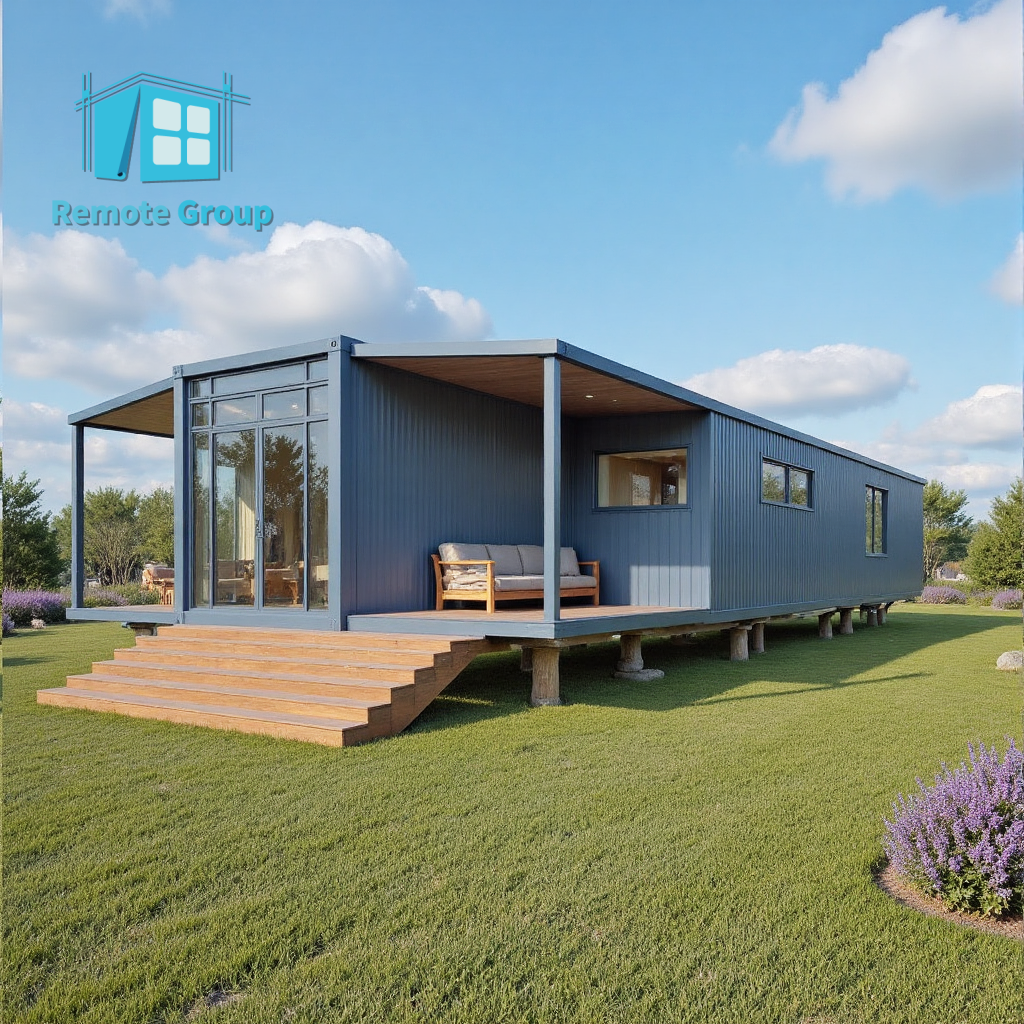
Zoning Strategies for Warmth in Open-Concept Prefab Homes
Why Open Layouts Need Intentional Cozy Zones
Open-concept designs maximize spatial perception in prefab homes but risk creating impersonal, thermally inconsistent environments. Without deliberate zoning, these expansive areas lack intimate anchors—leading to uneven heat distribution and psychological discomfort. Research indicates occupants perceive temperature differences up to 4°F between defined and undefined spaces (Building Comfort Dynamics 2023). Intentional segmentation counters this by establishing micro-environments—like reading nooks or conversation clusters—that retain warmth through contained air circulation. This approach transforms monolithic spaces into nested comfort zones while preserving visual connectivity.
Practical Zoning Techniques: Rugs, Ceiling Variations, and Furniture Anchoring
Strategic physical boundaries enhance both thermal and emotional comfort without compromising open-concept benefits:
| Technique | Function | Implementation Tip |
|---|---|---|
| Area Rugs | Creates thermal insulators | Layer wool rugs over radiant flooring |
| Dropped Ceilings | Defines visual sub-zones | Install 12–18" lower over seating areas |
| Furniture Grouping | Anchors activity hubs | Position sofas perpendicular to windows |
Begin with rug placement to delineate functional islands—a 8'×10' wool rug under a seating group reduces heat loss by 27% versus hard flooring. Complement with ceiling treatments: vaulted sections over dining spaces contrast with lowered profiles above living zones to contain warm air. Finally, orient furniture to form permeable barriers—like a console table behind a sofa—that subtly separate spaces while allowing light penetration. These layered techniques collectively transform open layouts into cohesive yet compartmentalized comfort ecosystems.
Warm, Durable Materials That Define Prefab Home Ambiance
Natural Wood, Textured Plasters, and Low-VOC Finishes for Sensory Comfort
Natural wood remains a cornerstone material in prefab home construction, offering renewable warmth, carbon sequestration benefits, and inherent thermal resistance. It pairs effectively with textured plaster finishes that add visual depth through subtle shadow play and tactile richness. For indoor air quality, low-VOC (Volatile Organic Compound) finishes minimize chemical off-gassing—a critical consideration in modern prefab structures where airtight construction can concentrate pollutants. Together, these materials create multi-sensory comfort: wood’s grain provides visual warmth, plaster delivers rustic tactility, and non-toxic finishes ensure respiratory ease.
Balancing Aesthetics and Performance: LVP, Warm Tile, and Integrated Trim Details
High-performance materials like LVP (Luxury Vinyl Plank) deliver water resistance and scratch durability without sacrificing wood-like aesthetics—ideal for high-traffic zones. Complementary warm-toned porcelain tiles introduce thermal mass properties that help regulate indoor temperatures while resisting moisture in bathrooms and kitchens. Integrated trim systems unify these materials through seamless transitions between walls, floors, and ceilings, eliminating dust-trapping gaps. This holistic approach ensures cohesive beauty alongside practical resilience, with material selection guided by performance, longevity, and sensory harmony.
Lighting, Color, and Spatial Illusion in Compact Prefab Interiors
Strategic Neutral Palettes with Warm Accents for Heightened Perception of Space
Light neutral color schemes—soft whites, pale grays, and warm beiges—visually expand compact prefab interiors by reflecting available illumination. These hues enhance spatial perception by up to 15% compared to darker alternatives. Introduce warmth through terracotta throw pillows, ochre ceramics, or wood-toned accents occupying 10–20% of visible surfaces. This balance maintains openness while adding sensory comfort. Research shows limiting accent colors to focal points—such as statement chairs or artwork—prevents visual clutter in small footprints. Matte finishes further soften reflections for cohesive tranquility.
Maximizing Natural Light: Reflective Surfaces, Layered Lighting, and Window Optimization
Amplify existing daylight through three key techniques: First, position mirrors opposite windows to bounce light deeper into rooms—a tactic shown to increase brightness by 30%. Second, install layered lighting systems combining ambient (recessed ceiling fixtures), task (under-cabinet LEDs), and accent (wall sconces) sources. This ensures uniform illumination while creating perceptual depth. Third, opt for light-diffusing window treatments like sheer linen curtains that maintain privacy without sacrificing luminosity. For homes with limited glazing, clerestory windows or light tubes channel sunlight into central zones—enhancing both thermal gain and spatial clarity.
Smart Furnishing and Storage Solutions for Small Prefab Homes
Maximizing livability in compact prefab homes requires intentional design strategies that merge form and function. Studies reveal residents in small-footprint dwellings report 34% higher satisfaction when using multi-functional furniture like Murphy beds, storage ottomans, and convertible dining tables (Small Space Living Journal 2023). Vertical storage solutions—such as floor-to-ceiling shelving units and wall-mounted racks—capitalize on unused airspace, reducing floor clutter by up to 60% compared to conventional storage. For kitchens and bathrooms, custom pull-out pantries, toe-kick drawers, and recessed medicine cabinets maintain clean sightlines while adding substantial storage capacity. Integrated lighting within shelves and cabinetry enhances both practicality and spatial perception, creating an illusion of depth in tight quarters. By prioritizing adaptable, space-conscious designs, prefabricated homeowners transform minimal square footage into efficient, serene living environments.
FAQ Section
What are some effective zoning techniques for open-concept prefab homes?
Effective zoning techniques include using area rugs to create thermal insulators, dropped ceilings to define visual sub-zones, and furniture grouping to anchor activity hubs.
How do natural materials contribute to the comfort of prefab homes?
Natural materials like wood and textured plasters add warmth, tactile richness, and thermal resistance. Low-VOC finishes ensure better indoor air quality by minimizing chemical off-gassing.
How can lighting and color schemes enhance the space in prefab homes?
Light neutral color schemes and strategic lighting, including reflective surfaces and layered systems, can visually expand interiors and increase the perception of space.