
 EN
EN
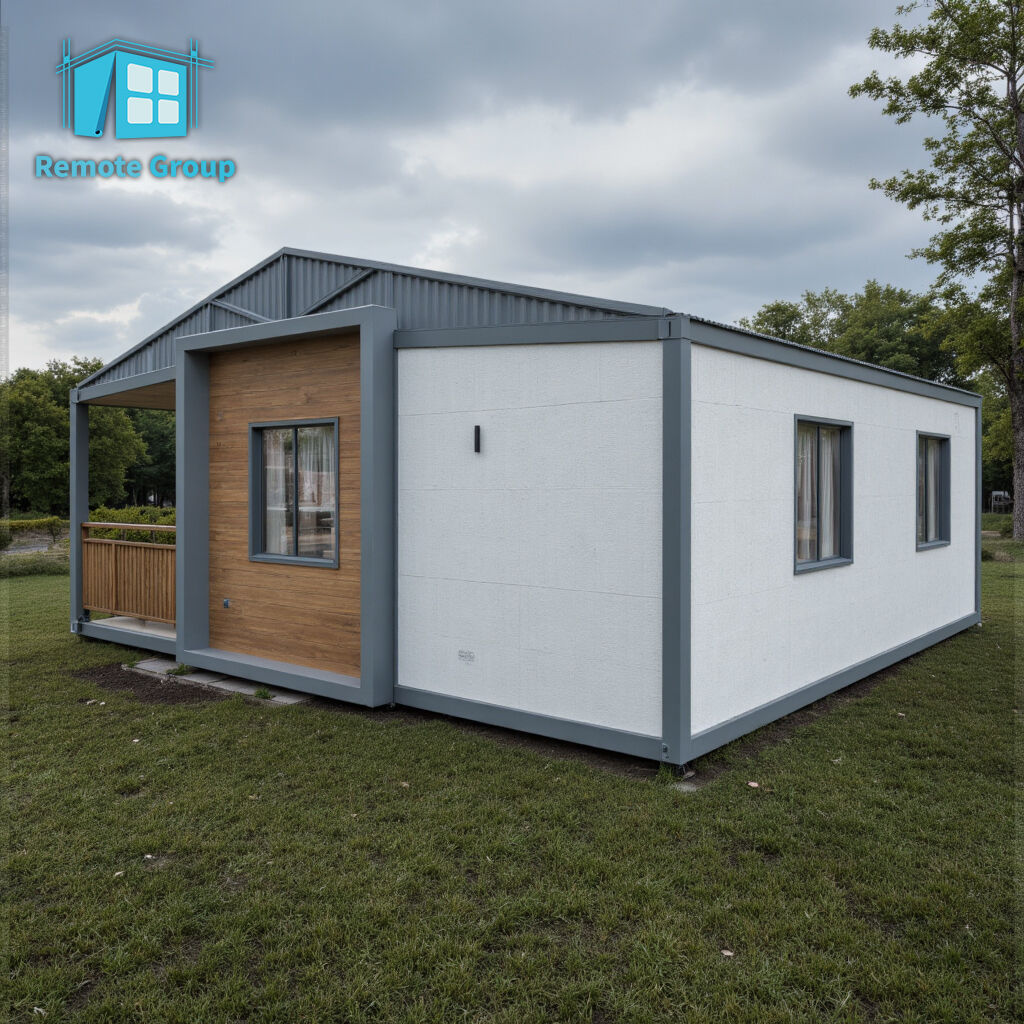
What Is the Typical Lifespan of a Container House?
A well-constructed container house typically lasts 20–50 years—comparable to traditional wood-frame homes (30–70 years)—with longevity heavily dependent on maintenance rigor and environmental exposure. Corten steel, the primary material in shipping containers, offers inherent corrosion resistance, forming a stable rust patina that protects underlying layers. However, without climate-appropriate adaptations, coastal or high-humidity environments can reduce service life by 30–40% due to accelerated rust formation. Reaching the upper end of this range hinges on consistent upkeep: annual inspections, timely resealing of joints and penetrations, and proactive moisture management.
Key Influencing Factors
- Material Quality: Factory-applied marine-grade coatings provide initial corrosion protection—but degrade over time, especially under UV exposure or mechanical abrasion.
- Maintenance Frequency: Proactive interventions—like replacing failed sealants or repairing minor dents before moisture intrusion occurs—prevent localized corrosion from compromising structural integrity.
- Climate Adaptation: Freeze-thaw cycles induce micro-fractures in steel and finishes; salt-laden air increases electrochemical corrosion rates up to threefold compared to arid inland regions.
Industry studies indicate that container houses with engineered foundations, elevated siting, and rigorous maintenance protocols routinely exceed 50 years of functional service life—matching or surpassing many conventionally built homes.
Key Factors That Influence Container House Longevity
Climate and Environmental Exposure: Salt, Moisture, UV, and Freeze-Thaw Cycles
Environmental stressors are the most decisive variables in container house durability. Coastal salt exposure accelerates electrochemical corrosion far beyond typical atmospheric conditions—up to three times faster than in dry, inland climates. Persistent moisture infiltration—whether from rain, humidity, or capillary rise through unsealed foundations—creates hidden corrosion pathways beneath insulation or cladding. Ultraviolet radiation gradually breaks down protective coatings and elastomeric sealants, diminishing their barrier function against water and oxygen. Meanwhile, freeze-thaw cycles impose cyclic thermal and mechanical strain on steel welds and connections, promoting fatigue-related micro-cracking over time.
Proactive mitigation is essential: elevating the structure on concrete piers or screw piles prevents direct soil contact and blocks 78% of groundwater-related corrosion, while ceramic-based UV-stable sealants significantly extend coating life. Collectively, these strategies determine whether a container house serves reliably for 15 years—or exceeds 50.
Foundational and Structural Best Practices to Extend Container House Life
A container house’s longevity begins at ground level. The foundation isn’t just support—it’s the first line of defense against moisture-driven corrosion and settlement-induced stress.
- Elevate above soil contact using concrete piers, helical screw piles, or pressure-treated timber bases to eliminate direct steel-to-earth contact—a leading cause of localized rust.
- Prioritize drainage with site grading (minimum 5° slope away from the structure) or subsurface French drains that divert runoff at least 10 feet from the footprint.
- Select engineered foundations—such as reinforced concrete slabs or load-calculated screw piles—in flood-prone, seismic, or expansive soil zones to evenly distribute weight and minimize metal fatigue.
Level sites reduce surface water pooling by 70% compared to unmitigated slopes. Coupled with annual drainage system checks and joint inspections, these foundational best practices can add 10–15 years to operational lifespan—turning a standard 25-year build into a durable, long-term asset.
FAQ
What factors most affect the lifespan of a container house?
Key factors include environmental exposure, quality of materials used, regular maintenance, and the structural foundation of the house.
How can I enhance the durability of my container house?
To enhance durability, use corrosion-resistant materials, conduct regular maintenance, adapt to the climate, and ensure the house is built with a strong, supportive foundation that addresses moisture and soil contact concerns.
Are container houses durable compared to traditional homes?
Yes, when well-maintained and appropriately constructed, container houses can match or surpass the durability of traditional homes.