
 EN
EN
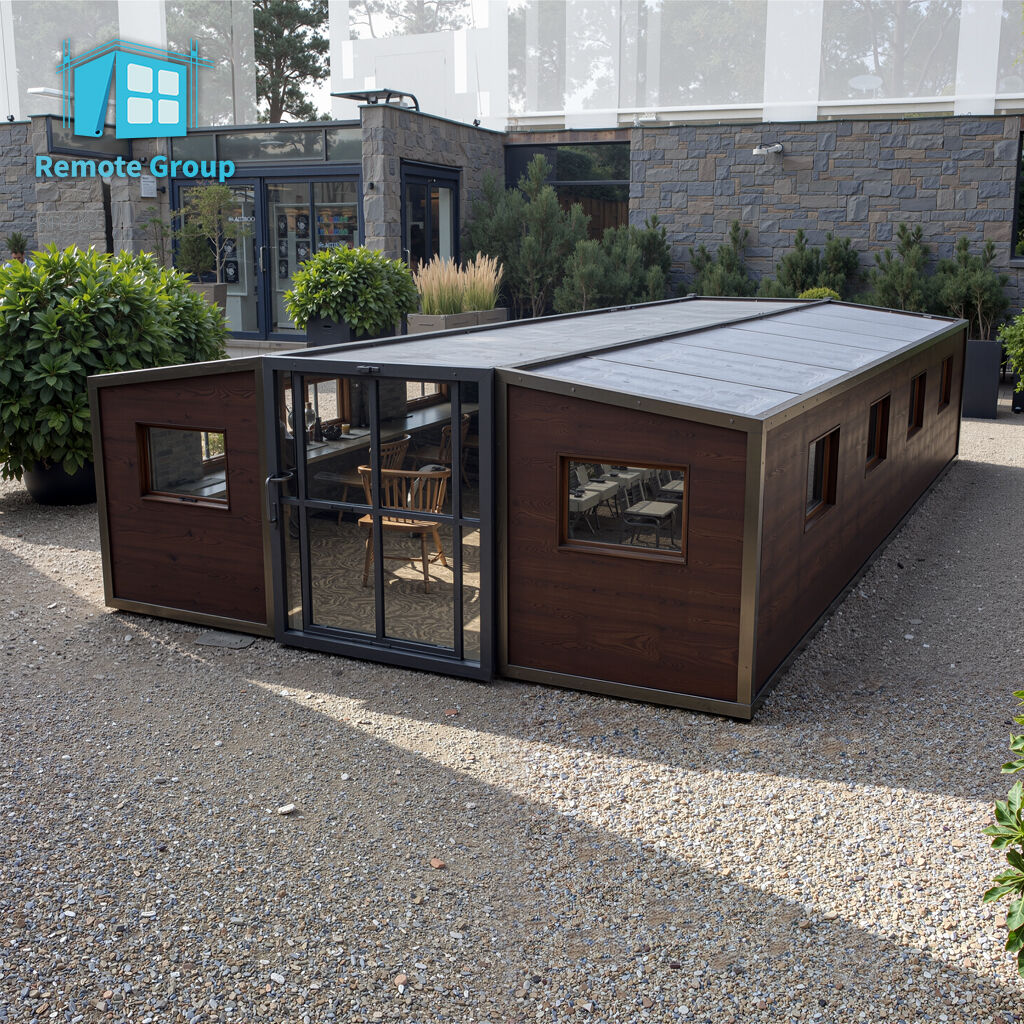
Environmental Benefits of Recycling Shipping Containers for Housing
How Repurposing Containers Reduces Industrial Waste and Carbon Footprint
Taking old shipping containers and giving them new life tackles a couple big environmental issues at once. We're talking about cutting down on industrial waste while also slashing those pesky construction carbon emissions. Globally, there are around 17 million containers just sitting around doing nothing. When someone takes one of those 40 foot long boxes and turns it into something useful, they keep roughly 3,500 kilograms of steel out of landfills. The real kicker? These sturdy containers mean we don't need nearly as many new building materials. Studies show demand drops anywhere between 60 to 80 percent compared to regular houses. That means way less concrete mixing, brick manufacturing, and virgin steel production all contributing to our already heavy carbon footprint.
Comparative Analysis: Container Homes vs. Traditional Builds in Sustainability Metrics
When evaluated across key sustainability indicators, container-based housing demonstrates clear advantages:
- Embodied Carbon: 25% lower than wood-frame construction (Modular Building Institute 2023)
- Material Efficiency: Up to 85% of the structure comes from recycled materials, versus about 20% in traditional builds
- Construction Waste: Modular prefabrication reduces on-site waste by up to 94%
These metrics highlight how container homes align with circular economy principles by maximizing material reuse and minimizing resource extraction.
Controversy Analysis: Are All Container Homes Truly Sustainable?
Container homes definitely have environmental advantages, but let's be honest - not every project lives up to its green potential. When folks start hacking away at containers by adding tons of windows or tearing down walls, they're basically asking for trouble. Structural problems pop up fast, which means bringing in heavy duty steel beams and other fixes that eat up energy. Good sustainable designs usually keep around 70 to 80 percent of the original container intact. These smarter builds incorporate things like proper sun positioning, decent insulation materials, and layouts that make sense for actual living spaces. But here's the catch: many upscale custom container homes go all out on looks instead of thinking about long term sustainability. That kind of misses the whole point of recycling shipping containers in the first place.
Cost-Effectiveness and Affordability of Building a Shipping Container House
Initial Cost Breakdown: Materials, Labor, and Site Preparation
Shipping container homes typically cost 30–50% less per square foot than traditional construction. Used containers start at $2,000–$5,000, offering a low-cost foundation. Key expenses include:
- Materials: While framing needs are minimal, insulation and weatherproofing add $3,000–$10,000
- Labor: Modular assembly reduces labor time and costs by approximately 40%
- Site Prep: Simplified foundations—such as piers or gravel beds—cost 20–60% less than full concrete slabs
This streamlined approach makes container homes particularly viable for budget-conscious builders and remote locations.
Long-Term Savings Through Energy-Efficient Design and Low Maintenance
Container homes that are properly constructed offer real money savings in the long run. When builders incorporate passive solar techniques along with good quality spray foam insulation, most people see their yearly energy costs drop somewhere between 15% and maybe even 30%. The steel frames used in these structures stand up pretty well against things like termites, wood rot, and other pest problems that plague regular houses. This means fewer headaches for owners when it comes to maintenance expenses, which typically saves around $1,200 each year according to what I've seen in practice. A recent report from last year on modular housing showed something interesting too: container homes tend to hold onto about 89 percent of their original value after ten years sitting there. That actually beats out quite a few standard stick-built homes when looking at how much equity they maintain over time.
Industry Paradox: When 'Cheap' Containers Lead to Expensive Modifications
While base container prices are low, 56% of projects exceed initial budgets due to unforeseen costs. Common budget busters include:
- Cutting openings for windows and doors ($800–$2,500 per container)
- Structural reinforcement after modifications ($1,500–$4,000)
- Zoning compliance upgrades such as fireproofing and insulation ($3,000+)
A 2024 industry report found that 20% of DIY builders spent over $20,000 on unplanned structural repairs—highlighting the importance of professional planning and engineering oversight to preserve cost advantages.
Design Flexibility and Modular Architecture of Shipping Container Homes
The modular nature of shipping containers offers unmatched design versatility. Their standardized dimensions—typically 8 feet wide and 20 to 40 feet long—allow architects to stack, align, and interlock units like building blocks, enabling everything from compact urban studios to spacious family residences.
Modular Design Advantages Using Repurposed Shipping Containers
Prefabricated steel frames support rapid, flexible assembly. Designers leverage this modularity to:
- Expand living areas horizontally without complex foundation work
- Stack containers vertically to maximize space in dense urban environments
- Arrange units at angles to enhance natural light and airflow
This adaptability also supports phased construction, letting homeowners build incrementally as finances allow. Compared to conventional methods, modular container construction reduces on-site waste by up to 30% (Yonkers Times 2023).
Space Optimization and Interior Design in Small Living Spaces
Even in compact 160 sq ft units, smart design transforms containers into functional homes. Strategies include:
- Fold-down furniture and retractable partitions for multi-use spaces
- Lofted sleeping areas that free up floor space
- Built-in storage solutions replacing bulky cabinetry
With thoughtful layout planning, a two-container 320 sq ft home can comfortably accommodate a full kitchen, bathroom, and combined living/sleeping zones—proving that small-scale living doesn’t mean sacrificing comfort.
Innovative Layouts Combining Multiple Containers for Family-Sized Homes
Larger households benefit from strategic configurations using six or more containers to create a 1,920 sq ft residence:
| Configuration | Functionality | Container Count |
|---|---|---|
| Central Cluster | Open-plan living area | 3 |
| Perpendicular | Private bedrooms | 2 |
| Elevated | Roof deck/garden | 1 |
According to the 2024 Modular Construction Report, 65% of multi-container homes are designed with future expansion in mind, allowing owners to add modules as needs evolve.
Customization Trends: From Minimalist Studios to Luxury Eco-Homes
Today’s container homes span a broad aesthetic spectrum. While early adopters embraced raw industrial looks, modern designs rival traditional luxury homes. Popular trends include:
- Corten steel exteriors that develop a rustic patina over time
- Glass curtain walls seamlessly connecting adjacent units
- Living green walls integrated into facades for improved insulation and visual appeal
High-end models now feature heated concrete floors, smart home automation, and rooftop solar arrays—demonstrating that sustainability and elegance can coexist in modular architecture.
Integrating Sustainable Features into Shipping Container Houses
Use of sustainable features like solar panels and rainwater harvesting systems
Container homes work really well with green tech integration. When solar panels are placed just right, they can cover around 60 to 80 percent of what a home needs for power, based on some recent 2023 research into renewables. For rainwater collection, special systems gather and clean up the water that runs off roofs, which then gets used for things like watering plants or flushing toilets, cutting down on city water usage by about 35% on average. Because container homes have those strong metal roofs and come in standard sizes, adding these eco-friendly features tends to be simpler compared to regular houses. That's why so many people who care about sustainability love them for this reason.
Passive heating, cooling, and insulation techniques in metal structures
Steel has this tendency to conduct heat pretty well, which makes managing temperature so important when building container homes. Most builders go for high quality double layer spray foam insulation rated at around R-15 or better. This stuff really does wonders for keeping interiors comfortable while stopping moisture from forming inside those metal walls. Putting windows in smart locations and making sure there's good airflow between rooms cuts down on how much we need to run heating and cooling systems. People have seen energy bills drop somewhere between 20 to maybe even 40 percent in areas with mild weather conditions. Adding reflective paint to rooftops and creating shade with proper overhangs helps fight off the sun's heat too. Thermal images taken after these improvements show surfaces staying about 30 degrees cooler than regular metal roofs without any treatment.
Integration with off-grid living and smart home technologies
Container homes these days are becoming real test cases for living off the grid in tough conditions. Most have lithium batteries that save up all that solar power so people can still run things at night. And there's this greywater system thing going on too where they recycle about half to three quarters of their used water back into the house. Some smart devices keep track of when energy comes in versus when it goes out, then tweak lights, heaters, and other stuff to work best when the sun is shining strongest. What we're seeing here is how combining green tech with those internet connected gadgets makes container homes not just possible but actually practical solutions for building houses that stand up better against climate changes.
Steps and Considerations in Building a Shipping Container House
Constructing a shipping container house requires careful execution across five essential phases. A disciplined, code-compliant process ensures durability, safety, and long-term value while supporting broader goals of affordable and sustainable development.
Sourcing and selecting the right container for conversion
Starting with a container that meets CSC standards is probably the best bet for structural integrity. Look for containers that have only made one trip across the ocean since they tend to have less wear and tear compared to those that have been around the block multiple times. Most people find standard sized containers work just fine for their projects, either 20 feet or 40 feet long. For extra space inside, high cube models stand out at 9.5 feet tall, giving more room to move around comfortably. According to some recent research published last year, almost all delays on container home projects come down to problems nobody saw coming during inspections, like hidden rust spots or damaged floors in containers that weren't properly checked out beforehand. That's why taking time to thoroughly inspect every nook and cranny before buying makes such good sense in the long run.
Structural modifications: Cutting, reinforcing, and insulating
Use precision tools like plasma cutters to open windows and doors without weakening load-bearing sections. After modifications, reinforce joints and compromised areas with steel I-beams or box sections. Install spray foam insulation with an R-value of 15 or higher to address thermal bridging and moisture risks inherent in metal structures.
Permitting, safety standards, and local zoning regulations
Permitting remains a primary challenge, with 43% of U.S. counties requiring special certifications for container homes (2023 Modular Construction Report). Submit engineered blueprints demonstrating compliance with seismic, wind, and fire codes to streamline approvals. Early consultation with local authorities helps avoid costly redesigns later.
Final assembly and interior finishing touches
Once utilities—electrical conduits, plumbing, HVAC—are installed and pressure-tested, weld the containers securely to foundation anchors. For interior finishes, choose lightweight materials like drywall or reclaimed wood to stay within structural weight limits, including the standard 55,000 lb stacking capacity.
Role in affordable housing initiatives and community development projects
Companies such as Homes Now are turning to container homes as a way to get affordable housing up quickly. They finish these units about 60 percent quicker than regular building methods do. The price tag is another big difference. Container homes typically run around $48k per unit while traditional houses can hit $120k. This makes sense when looking at different needs across cities. These modular containers work well for filling gaps in urban areas, helping after disasters strike, or providing temporary shelter options. What stands out most is how fast they go up, how tough they are against weather, and what they save on money. Many communities facing housing shortages have found this approach really helpful in their efforts to find stable living arrangements for people without permanent homes.
FAQ
What are the environmental benefits of using shipping containers for housing?
Using shipping containers for housing helps reduce industrial waste and carbon emissions by repurposing steel containers instead of using new materials, significantly lowering the demand for resources and reducing the carbon footprint.
How cost-effective are shipping container homes compared to traditional houses?
Shipping container homes can be 30–50% less expensive per square foot than traditional homes, with used containers costing between $2,000 and $5,000. They offer long-term savings through energy efficiency and lower maintenance costs.
What are the potential challenges of building a shipping container home?
Potential challenges include structural modifications, compliance with local zoning regulations, and unforeseen costs for cutting openings and reinforcement. Careful planning and professional oversight can mitigate these challenges.
How can shipping container homes be made sustainable?
Shipping container homes can integrate sustainable features like solar panels, rainwater harvesting systems, high-quality insulation, and smart home technologies for energy efficiency and reduced environmental impact.
What are the steps to building a shipping container house?
The process includes sourcing suitable containers, making structural modifications, obtaining permits, and conducting final assembly and interior finishing, all while ensuring compliance with safety standards.
Table of Contents
- Environmental Benefits of Recycling Shipping Containers for Housing
- Cost-Effectiveness and Affordability of Building a Shipping Container House
- Design Flexibility and Modular Architecture of Shipping Container Homes
- Integrating Sustainable Features into Shipping Container Houses
- Steps and Considerations in Building a Shipping Container House
-
FAQ
- What are the environmental benefits of using shipping containers for housing?
- How cost-effective are shipping container homes compared to traditional houses?
- What are the potential challenges of building a shipping container home?
- How can shipping container homes be made sustainable?
- What are the steps to building a shipping container house?