
 EN
EN
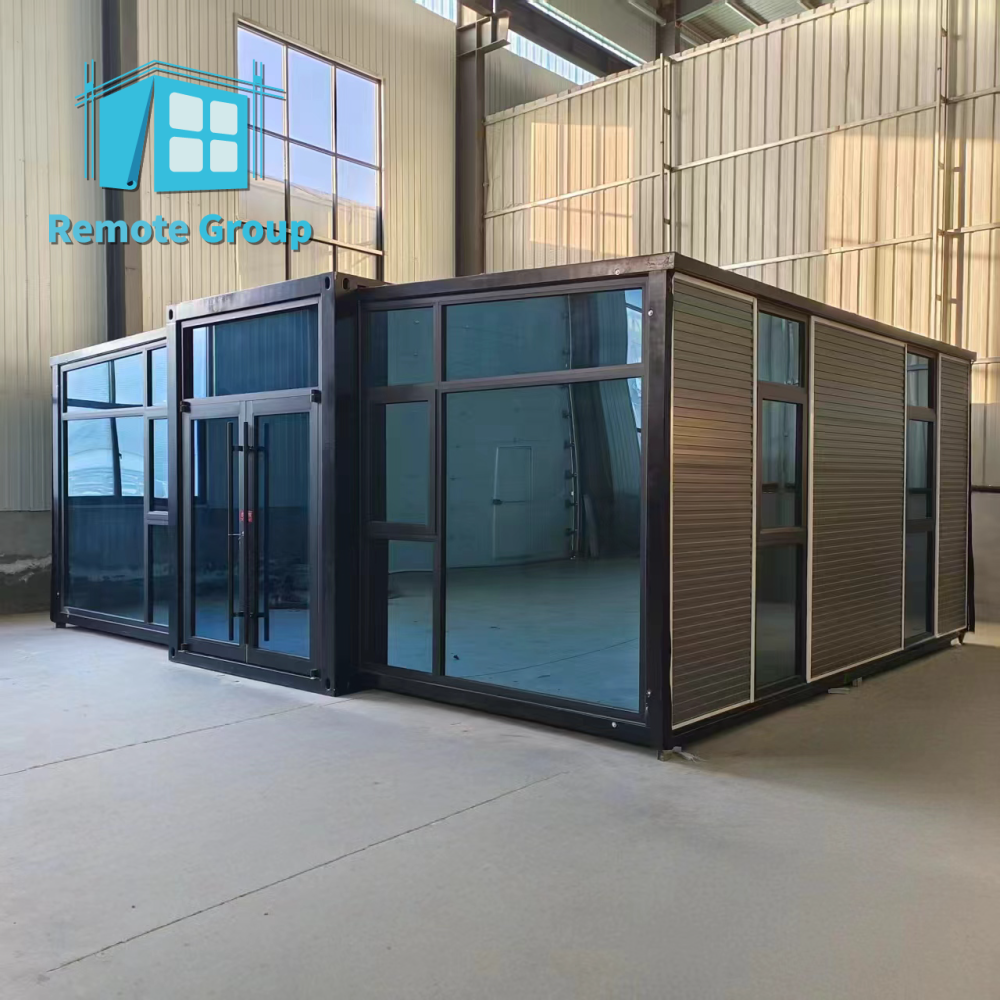
Understanding Quality Assurance in Prefabricated House Manufacturing
Defining Quality Assurance in Prefabricated House Production
When it comes to quality assurance in prefab homes, manufacturers have developed pretty thorough processes to make sure these houses stand up over time and meet all the necessary safety requirements. This isn't just about catching problems after they happen like traditional quality control methods do. Instead, QA focuses on stopping defects before they even occur by following strict protocols at every step of production, starting with picking out materials right through to putting everything together at the end. Inside factory settings, workers can actually check each piece really carefully thanks to advanced equipment such as those fancy laser alignment systems. These checks help confirm that every component fits perfectly according to specifications so nothing gets shipped out unless it meets all the standards first.
Key Differences Between Traditional and Factory-Based Construction Processes
Building in factories cuts down on all sorts of variables because they can control things like humidity and temperature that really mess with regular on site construction work. Traditional building techniques depend heavily on people taking measurements, and let's face it, humans make mistakes sometimes. Prefab shops have these fancy machines that cut materials with incredible precision down to the millimeter. The whole factory environment means no waiting around for bad weather to pass, and there's way less wasted material lying around. Projects tend to wrap up about 30 percent quicker when everything happens inside instead of outside where Mother Nature decides if she wants to cooperate or not.
The Role of Standardized Design and Manufacturing Protocols
Getting things standardized really matters when it comes to quality assurance in prefab homes. The CAD programs create those same blueprints over and over again, so every unit ends up looking pretty much alike. Factories have these detailed specs for important parts such as where walls connect and how electricity runs through them, which cuts down on mistakes once builders start putting everything together at the actual site. Most importantly, all these rules match up with what's required by the International Building Code. That alignment helps manufacturers stay within legal boundaries while making sure their modules fit together smoothly without any hiccups.
Core Components of an Effective QA/QC Program for Prefabricated Houses
Standardized Design and Production Workflows in Modular Construction
Modular construction leverages factory-controlled conditions where 93% of manufacturers use CAD/CAM systems for precision engineering. Repeating optimized workflows reduces human error by 30% compared to site-built methods (2024 Modular Building Institute Report). This consistency extends to component interfaces, ensuring reliable assembly regardless of production batch.
Dedicated Quality Management Team and Clear Accountability Structure
Effective QA/QC programs assign responsibility to cross-functional teams with direct reporting lines to executive leadership. Daily production audits and digital traceability systems establish closed-loop accountability, allowing real-time corrections before issues propagate to downstream stations.
Risk Identification and Mitigation Strategies in Prefabricated House Manufacturing
Proactive risk frameworks evaluate failure modes at six key control points: material intake, framing, insulation, electrical rough-in, plumbing integration, and final assembly. Thermal imaging and load-testing simulations detect 85% of potential structural flaws during prototyping, preventing costly rework later.
Supplier and Subcontractor Quality Criteria for Consistent Material Standards
Tiered supplier scorecards assess 12 performance metrics, including moisture content tolerances for wood (±3%) and galvanization uniformity for steel frames (minimum 550g/m² zinc coating). Research indicates that rigorous vendor qualification improves first-pass yield rates by 22% in modular wall panel production (2021 Supply Chain Optimization Study).
Use of High-Performance Building Materials in Prefabricated House Systems
Factory settings allow precise application of advanced materials such as closed-cell spray foam insulation (R-6.5 per inch) and engineered lumber with 2.8 times the load capacity of dimensional wood. Accelerated aging tests validate long-term performance under simulated 50-year weather cycles prior to deployment.
Factory-Based Inspection and Testing Procedures for Quality Control
Stage-by-Stage Inspection Protocols During Prefabricated House Production
Quality assurance starts right when materials come into the facility, and according to recent industry reports, roughly three out of four manufacturers actually check dimensional tolerances on structural parts before they even begin putting things together. These checks happen in controlled settings where workers can verify everything at different workstations along the line. We're talking about things like making sure frames are aligned within about 1.5 millimeters or so, plus checking all those electrical installations that get put in place early on. For modular construction specifically, there's typically around seven separate points where quality gets assessed prior to shipping products out the door. That number is actually more than twice what most traditional builders manage to achieve in their standard processes.
Self-Inspection Practices and Documentation in Modular Manufacturing
When production teams implement automated checklists connected to BIM systems, they cut down on documentation mistakes quite significantly. The Modular Building Institute reported around 42% fewer errors than traditional paper methods back in 2023. On site, workers scan QR codes to confirm what needs doing, which creates secure quality logs for each building component. The combination works well too – people double check their own work first, then supervisors come through later. This two step process catches most problems early on, with roughly 89% of issues sorted out before anything moves forward in construction.
Structural Integrity Testing and Compliance Verification
Completed modules undergo load testing simulating 1.5 times regional snow and wind loads, with strain gauges capturing over 120 structural performance metrics. Third-party certifiers perform controlled burn tests to validate fire resistance, achieving 2-hour firewall compliance in 98% of casesâa 22% improvement over conventional onsite construction.
Managing Non-Conformance and Correcting Quality Deficiencies
A tiered non-conformance protocol routes defects efficiently:
- Critical: Halt production immediately (0.3% occurrence rate)
- Major: Isolate module for rework within 48 hours
- Minor: Tag for correction during final finishing
Root cause analysis of 2023 data shows 68% of quality issues stem from supplier material variances, prompting enhanced inbound inspection criteria.
Compliance with Building Codes and Independent Safety Certification
Adherence to International Building Codes (IBC, NEC) in Prefabricated Housing
Manufacturers of prefabricated homes need to follow international building standards including the International Building Code (IBC) and National Electrical Code (NEC) if they want to keep people safe inside these structures. According to the IBC, certain materials must resist fire, proper smoke controls should be in place, and sprinklers are required throughout. Meanwhile, the NEC sets rules about how electricity should run through the walls and ceilings safely. On factory floors, companies adapt their processes specifically for modular construction. They install fire rated walls that meet chapter 9 of the IBC and configure electrical panels according to article 312 of the NEC. These changes have made things much safer at construction sites. Recent data from the Modular Building Institute shows a reduction of around 73% in on site risks when compared to regular stick built houses.
Third-Party Inspections and Independent Quality Certification Processes
Independent certification ensures consistency between factory output and field safety. Audits cover:
- Design compliance with local building codes
- Material test reports for fire resistance and structural strength
- Final assembly checks for airtightness and waterproofing
Over 89% of jurisdictions require third-party certification for prefabricated installations, guaranteeing reliability across diverse climates and seismic zones.
Ensuring Fire, Electrical, and Structural Safety in Prefabricated Houses
Modern prefabricated homes incorporate three integrated safety layers:
- Fire Safety: Class A-rated mineral wool insulation and gypsum board walls offering 1-hour fire resistance
- Electrical Compliance: GFCI outlets in wet areas and NEC-compliant circuit protection
-
Structural Integrity: Roof trusses tested to withstand 130 mph winds and 30 psf snow loads
These measures contribute to a 40% lower incidence of electrical fires compared to site-built homes (NFPA 2022).
Long-Term Durability and Post-Delivery Quality Assurance
Assessing the durability and lifecycle performance of prefabricated structures
Manufacturers rigorously evaluate prefabricated houses for long-term performance through accelerated aging tests, structural load analyses, and material degradation studies. For instance, third-party research confirms that modular homes built with corrosion-resistant steel frames and moisture-resistant composites frequently exceed 50-year service life expectations.
Case study: Long-term performance of a certified prefabricated house
Researchers tracked an energy efficient prefab house along the Maine coast for fifteen years and found it only warped by under 0.2 percent even though salt spray constantly bombarded it from all sides. Air leaks stayed at just 3 percent or lower, which beats most regular on-site built homes. Why? Because the builders used those super tight joints and ran insulation continuously throughout the walls and roof. These features were actually what got the place its coveted Passive House certification. Looking across the industry, numbers suggest something interesting too. Prefab homes that earn these certifications hold onto around 92 percent of their original value after twenty years sitting there through storms and seasons.
Warranty programs and ongoing quality surveillance after delivery
Top builders now provide structural warranties that last well beyond the decade mark, often accompanied by smart monitoring tech that keeps tabs on things like moisture levels, how well the structure retains heat, and whether the foundation stays stable over time. The yearly checkups typically involve looking at those seals between panels and making sure all the systems are still calibrated properly. These regular maintenance checks cut down on unexpected repairs later on something like 30-35% when compared to homes without these warranty programs. What this really means is that prefab housing isn't just about selling a product anymore it's becoming more about ensuring good performance throughout the entire lifespan of the building, which changes how both builders and homeowners think about value over time.
FAQ
What is quality assurance in prefabricated house manufacturing?
Quality assurance in prefabricated house manufacturing involves strict protocols at every step of production to prevent defects before they occur, using advanced technology for precision and standardization.
How does factory-based construction differ from traditional construction?
Factory-based construction allows for controlled environments and precision machinery, reducing errors and speeding up the construction process compared to traditional methods, leading to greater efficiency and less material waste.
What role do standardized designs play in prefab home quality?
Standardized designs ensure consistency, reduce errors, and comply with international building codes, ensuring each unit adheres to high safety and quality standards.
How are quality control inspections conducted in prefabricated house manufacturing?
Quality control inspections are conducted at multiple stages in a controlled factory environment, using automated systems and manual checks to ensure compliance and catch any defects early on.
What measures ensure the safety and longevity of prefabricated homes?
Prefabricated homes are built with high-performance materials, adhere to strict safety standards, and undergo regular maintenance and inspections to ensure long-term durability and performance.
Table of Contents
- Understanding Quality Assurance in Prefabricated House Manufacturing
-
Core Components of an Effective QA/QC Program for Prefabricated Houses
- Standardized Design and Production Workflows in Modular Construction
- Dedicated Quality Management Team and Clear Accountability Structure
- Risk Identification and Mitigation Strategies in Prefabricated House Manufacturing
- Supplier and Subcontractor Quality Criteria for Consistent Material Standards
- Use of High-Performance Building Materials in Prefabricated House Systems
- Factory-Based Inspection and Testing Procedures for Quality Control
- Compliance with Building Codes and Independent Safety Certification
- Long-Term Durability and Post-Delivery Quality Assurance
-
FAQ
- What is quality assurance in prefabricated house manufacturing?
- How does factory-based construction differ from traditional construction?
- What role do standardized designs play in prefab home quality?
- How are quality control inspections conducted in prefabricated house manufacturing?
- What measures ensure the safety and longevity of prefabricated homes?