
 EN
EN
Low Construction and Adaptation Costs of Container Homes
Using old shipping containers for home building cuts down on construction expenses anywhere from 30 to 50 percent when compared with regular house construction methods. A standard 40 foot long container will set someone back around $1,400 to $4,500 these days. When it comes to turning one into a complete living space, prices generally fall between $25k and $80k total. That's still way cheaper than what most people pay for traditional houses, where the going rate is about $150 to $250 just for each square foot built. The whole container thing works so well because there's no need for complicated framing work. Labor requirements drop by as much as half sometimes, and foundations don't cost nearly as much since the container itself acts like a ready made steel skeleton. Plus Corten steel lasts forever, which means less money spent later on things like adding insulation or running new pipes and wires. Most folks spend roughly $7,000 to $15,000 getting their container ready for habitation, which pales in comparison to what would be needed for similar upgrades in standard buildings made of bricks and mortar.
Initial vs. Long-Term Costs Compared to Traditional Housing
The average price tag for new traditional homes hit around $284k last year, but container homes tell a different story when it comes to wallet impact over time. These eco-friendly dwellings slash yearly utility costs anywhere from 20 to 40 percent thanks to features like ready-for-solar rooftops and that super efficient spray foam insulation which really takes some pressure off heating and cooling systems. When it comes to fixing things up, steel construction wins hands down. Studies show these metal marvels need about half as many repairs as regular wooden houses after two decades standing there. A look at numbers from late 2023 paints an interesting picture too. People living in containers tend to pocket roughly seven hundred forty grand less throughout their entire home ownership journey because they pay smaller mortgages, enjoy lower property taxes, and spend way less on day to day maintenance stuff.
Affordable Housing Trend: Why Container Homes Are Gaining Popularity
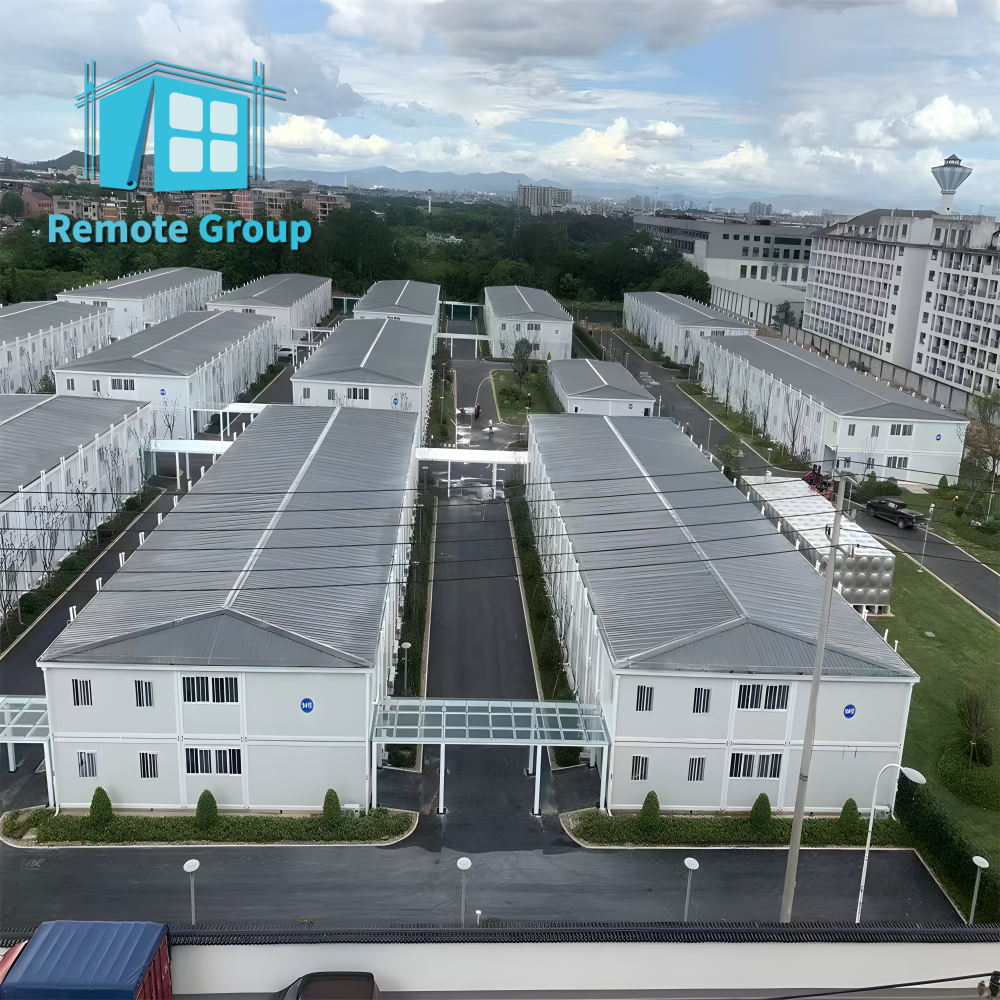
Container homes have been gaining popularity fast, growing around 6.8% each year between 2020 and 2024 mainly because cities struggle with housing shortages and people want greener living options. Cities across the country are starting to green light more modular construction projects as they try to keep costs down. Take Phoenix for instance where they built a whole community of 50 container homes. Construction time dropped by about three quarters compared to traditional methods, and rent prices ended up being half what they normally would be. Both young professionals entering the workforce and older folks looking to downsize find these homes attractive since they can own without taking on massive mortgages. Most buyers manage to finish their projects spending less than $100k total. What makes this trend so exciting is how it turns those forgotten shipping containers into something useful again. Not only does this help local governments meet their climate targets, but it also provides real estate solutions when building new houses just isn't feasible anymore.
Prefab and Modular Construction: Speed and Savings in Container Home Building
How Prefab Methods Reduce Labor and Construction Time
Most prefabricated container homes get about 60 to 90 percent built inside factories first, which means workers can install plumbing and electrical systems at the same time crews are getting ready on site. No more waiting around for rain to stop or snow to melt. Projects typically take half the time they would otherwise, sometimes even cutting schedules down by two thirds. Take a standard 1,200 square foot container house as an example it usually stands up against the weather within just three weeks flat, whereas building something similar conventionally might drag on for anywhere between six months and a whole year. Plus, because everything gets made so precisely in the factory, companies save money too. Labor expenses drop somewhere around 30 to 40 percent when there's less wasted materials lying around and fewer mistakes needing fixing later.
Customization, Scalability, and Cost Benefits of Modular Container Design
Container homes built in modules offer something like Lego blocks for housing, letting builders stack standard sized containers (either 20 feet or 40 feet long) together to create everything from tiny studio spaces right up to buildings with several floors. With modern computer controlled cutting machines and three dimensional design software, it's possible to get pretty creative with these structures while still keeping most of the budget benefits that come from producing things in bulk quantities. Industry insiders say there are usually around 15 to maybe even 20 percent savings when companies repeat the same container home design for multiple properties. This makes sense for people buying just one house as well as developers working on big projects aimed at creating affordable living options for many families at once.
Energy Efficiency and Long-Term Utility Savings in Container Homes
Insulation and Climate Control Strategies for Energy Conservation
Insulating steel frames properly with materials like spray foam or mineral wool cuts down on thermal bridging, which makes buildings much more energy efficient overall. Studies show that going for double wall construction with air spaces between layers can cut down on heating and cooling costs by around 35 percent when compared to basic single layer walls according to research published in the Building Efficiency Journal last year. Adding smart ventilation systems that adapt to weather conditions plus energy recovery units really helps bring down what the HVAC system has to work at without sacrificing good indoor air quality for occupants.
Solar Integration and Off-Grid Living Potential
Rooftop solar panels paired with lithium-ion battery storage enable 60–80% energy independence in most climates. These systems power essential appliances and lighting off-grid, with surplus energy offsetting water heating costs. When combined with rainwater harvesting and composting toilets, container homes in temperate zones can achieve near-zero utility bills.
Measurable Utility Cost Reductions Through Sustainable Design
Homeowners save $900–$1,200 annually on energy bills through optimized solar orientation and high-performance windows. A 2023 study of 200 container homes found that efficiency upgrades pay for themselves in 5–7 years through utility savings alone. Passive solar principles and thermal mass flooring enhance comfort and efficiency, especially in regions with extreme temperature swings.
DIY vs Prefab Container Homes: A Practical Cost Comparison
Budget Implications of DIY Container Home Projects
Building container homes oneself often saves around 30 to 50 percent compared to buying prefabricated ones. Some folks have even managed to finish 40 foot long containers for between thirty and forty thousand dollars by scavenging materials and putting in their own labor. But watch out budget wise. A recent survey from last year found that nearly two thirds of people who built their own modular homes went over what they originally planned for. Why? Mostly because they needed extra structural support they hadn't counted on plus all those frustrating permit holdups. The real money pits tend to be things like better insulation which can run anywhere from two thousand eight hundred to seven thousand five hundred bucks. Then there's paying professionals for welding and electrical work at rates typically between sixty five and one fifty dollars per hour. And don't forget about getting the foundation ready either since this costs somewhere between four and thirty dollars per square foot depending on how rough the ground is where it's going to sit.
Turnkey Prefab Solutions: Balancing Upfront Cost and Convenience
Container homes built in factories tend to cost anywhere from 35 to almost double what someone would spend on a do-it-yourself project, but they come with the big plus of avoiding all those frustrating construction mishaps. These factory made studios around 320 square feet usually begin at about $58k including all necessary paperwork and approvals. That's quite a jump from the average materials budget of roughly $22k for comparable DIY setups. Industry insiders have observed something interesting too: when people secure funding via green building loans, nearly 8 out of 10 go for complete packages instead of partial solutions. They mention wanting that sense of security knowing everything meets code requirements right from day one, which saves headaches down the road during inspections or resales.
Real-World Case Studies: Cost Outcomes From Actual Container Home Builds
A three-year study of 127 container home projects revealed clear trade-offs between DIY and prefab approaches:
| Metric | DIY (n=89) | Prefab (n=38) |
|---|---|---|
| Avg. Cost Per Sq.Ft | $142 | $217 |
| Avg. Time Overruns | 42% | 9% |
| Code Compliance Pass | 76% | 98% |
| Resale Value/Sq.Ft | $195 | $241 |
Although 63% of DIY builders expressed satisfaction despite budget overruns, prefab buyers valued weatherproofing guarantees and 25-year structural warranties. Recent zoning reforms in 14 U.S. states now classify permitted container homes as appreciating assets, helping close the financing gap with traditional real estate.
Durability, Maintenance, and Investment Value of Container Homes
Structural Lifespan and Resilience of Repurposed Shipping Containers
Originally built for marine transport, shipping containers have inherently strong steel frames capable of supporting residential use. When properly modified and maintained, container homes can last 25–30+ years. Protective treatments like zinc-rich primers and polyurethane sealants applied during conversion mitigate corrosion and extend service life under diverse environmental conditions.
Ongoing Maintenance: Corrosion Protection and Weatherproofing Costs
Annual maintenance for container homes averages $1,200—about 30% less than traditional homes—thanks to durable materials and simplified systems. Key recurring costs include:
| Maintenance Task | Frequency | Estimated Cost |
|---|---|---|
| Rust-inhibitive paint renewal | Every 5–7 years | $800–$1,500 |
| Sealant replacement | Biannually | $120–$300 |
| Foundation inspection | Annually | $150–$400 |
Proactive upkeep—such as clearing roof debris and addressing minor rust early—can reduce long-term repair expenses by up to 60%.
Resale Value and Financing Challenges: Is a Container Home a Smart Investment?
The initial cost for container homes tends to be around half what traditional construction would run, making them attractive for budget conscious folks. However finding someone willing to buy one later on isn't so easy these days. Most appraisers end up valuing these properties somewhere between 10 to maybe even 15 percent less than what owners hope for because there just aren't enough similar properties sold recently as comparison points. Still there's definitely interest building up among people who care about sustainability and those living minimalistic lifestyles. Some reports suggest that well insulated containers can hold onto roughly 85 to almost 90 percent of their original worth after about a decade. Getting financing though continues to be tricky business. Less than a quarter of banks actually have loan programs specifically for container homes. Those who want to borrow money usually need to provide extensive plans showing how they intend to build, along with various green certification documents before lenders will even consider approving the request.
FAQ
Are container homes environmentally friendly?
Yes, container homes are considered environmentally friendly due to their use of recycled materials, energy efficiency, and potential for off-grid living solutions.
Is it difficult to get financing for a container home?
Financing can be challenging as less than a quarter of banks offer loan programs specifically for container homes, requiring detailed plans and certifications from borrowers.
What are the maintenance costs for container homes?
Annual maintenance costs for container homes are approximately $1,200, which is about 30% less than for traditional homes, thanks to durable materials and simplified systems.
Do container homes have a good resale value?
Resale value can be lower than expected, around 10-15% less, due to fewer comparison properties; however, well-maintained homes can retain up to 90% of their value over a decade.
Table of Contents
- Low Construction and Adaptation Costs of Container Homes
- Initial vs. Long-Term Costs Compared to Traditional Housing
- Affordable Housing Trend: Why Container Homes Are Gaining Popularity
- Prefab and Modular Construction: Speed and Savings in Container Home Building
- Energy Efficiency and Long-Term Utility Savings in Container Homes
- DIY vs Prefab Container Homes: A Practical Cost Comparison
- Durability, Maintenance, and Investment Value of Container Homes
- FAQ