
 EN
EN
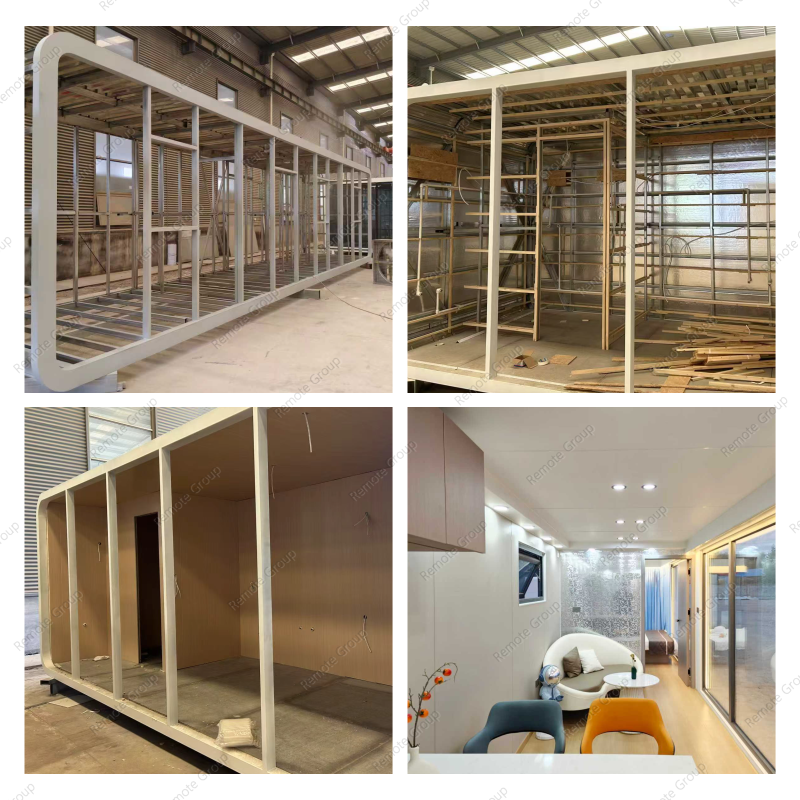
Understanding Prefab House Construction and the Speed Advantage
The Fundamentals of Prefab House Construction
Building prefab houses means making all those standard parts like walls, floors, and roof structures inside controlled factory environments instead of on actual construction sites. The big advantage here is that bad weather doesn't stop work progress at all. Plus materials get used much more efficiently since everything fits together so well when manufactured properly. Some research into modular homes shows pretty impressive results too. Around three out of four factory made houses actually hit their quality targets way before traditional site built ones do. Makes sense really when considering how controlled the whole process remains from start to finish.
How Speed Is Redefined in Modular Construction Process Steps
Modular construction really speeds things up because it allows multiple tasks to happen at once. The foundation gets started right there on site while the actual building parts are being made somewhere else entirely. When these processes run together like this, the whole project takes around half the time it would normally take with old school methods. Some recent research looked at about two hundred different housing developments and discovered something pretty impressive. They found that homes built using prefabricated modules could be completely weather tight within just three short weeks. That's way faster than what most people expect from traditional building techniques which often drag on for anywhere between six months to even a full year sometimes.
Common Prefab Components That Accelerate Building Timelines
Key factory-assembled elements streamline on-site work:
- Pre-insulated wall systems that eliminate additional framing
- Floor modules with integrated electrical chases
- Fully finished bathroom pods including plumbing and tiling
These components reduce on-site labor by up to 60%, maintaining consistent quality and supporting tight construction schedules.
Factory Precision and Quality Control in Prefab Building
Precision Engineering in Factory Settings for Prefab Houses
Today's prefabricated buildings depend heavily on those fancy CNC machines and CAD software working inside climate-controlled factories, which allows them to hit measurements down to fractions of a millimeter. When components are this accurate, everything just fits together like puzzle pieces without all those annoying gaps or overlaps that happen when weather affects materials or human hands get tired. The big players in the industry actually keep their manufacturing tolerances about three times better than what we see in old school construction where workers build things stick by stick onsite. And this attention to detail makes sense because it cuts down on costly fixes later on site by somewhere around 40%, according to what most experts in the field will tell us.
Quality Control in Factory Settings Ensuring Durability and Compliance
Before shipping out each module, automated systems run laser scans and check for moisture levels throughout the entire unit. The quality control process actually has three main stages: first robots do their thing, then trained technicians take another look, and finally there's independent certification from outside experts. This whole setup makes sure everything meets both building code requirements and those tricky energy efficiency standards we all have to follow these days. Factories maintain strict control over humidity and temperature conditions, which makes a real difference. Studies show this controlled environment cuts down on material defects by about two thirds when compared to what happens on traditional construction sites where weather conditions can wreak havoc on materials.
Data Comparison: Defect Rates in Traditional vs. Prefabricated Construction Methods
| Metric | Traditional Construction | Prefab Construction | Source |
|---|---|---|---|
| Material Waste | 15-20% | 3-5% | Construction Waste Index 2023 |
| Code Violations | 12 per 100 units | 2 per 100 units | Building Standards Report 2024 |
| Post-Installation Fixes | 47 hours per project | 9 hours per project | Modular Builders Association |
Is Factory-Built Truly More Reliable Than On-Site Construction?
Homes built in factories tend to be more reliable because they follow consistent manufacturing processes and catch problems early on. The automated systems in these facilities spot structural flaws long before any parts actually leave the plant. Plus, since everything happens indoors where weather doesn't interfere, about 60 percent fewer defects happen compared to regular construction methods. According to recent surveys from the American Institute of Architects, around three out of four architects have noticed their clients are happier with how durable prefab homes turn out. Still, getting these houses from factory to site without damaging them remains a big challenge. Statistics show that when things go wrong after leaving the factory, it's usually because someone messed up the transportation plan somewhere along the line, which happens in nearly nine out of ten cases.
How Parallel Construction Shortens Project Duration
When it comes to prefab construction, one big advantage is that it actually speeds things up because they can do factory building at the same time as site prep work happens on location. While crews are laying down foundations, installing utilities, and getting those access roads ready, the actual building components are being manufactured elsewhere. This approach removes a lot of the usual waiting around between different trades. A recent look at modular construction from last year shows some pretty impressive results too. Projects tend to wrap up anywhere from 30% to almost half the original timeline. Foundations alone get done about 8 to 12 days quicker since everything fits together so precisely when those modules arrive on site.
Case Study: 40% Reduction in Build Time Using Synchronized Workflows
One apartment complex recently cut down on construction time by about 40% simply because they synchronized their module building process with what was happening at the actual construction site regarding grading and utilities. The structural part alone took just 18 days rather than the usual 30, which meant people could move into these units around 11 weeks sooner compared to traditional methods. When unexpected issues came up during soil testing that needed changes to the foundation plans, the factory crew had access to real time building information models (BIM) so they could tweak their designs on the fly. This saved everyone from having to tear things apart later and start over again, something that would have cost a fortune otherwise.
Coordination Challenges Between Off-Site Manufacturing and Foundation Work
Efficiency improvements aside, keeping everything running smoothly still takes a lot of coordination work. When foundation crews get delayed for whatever reason, transportation problems start popping up all over the place. According to some industry reports from last year, around one out of every five prefab projects runs into trouble because of these kinds of delays. And let's not forget about Mother Nature throwing a wrench in things too. Rain or snow can really mess with those tight delivery windows we've all been relying on lately. Contractors tell me they're seeing this happen roughly a third of the time when bad weather hits. That's why so many folks in the field have started tracking manufacturing progress through IoT devices these days. Most companies seem to be doing it now actually, maybe somewhere around 80 percent give or take, allowing them to tweak their on site plans as needed based on real time information coming straight from the factory floor.
Navigating Design Approval and Regulatory Compliance for Prefab Structures
Municipal Approval Processes for Prefab Construction
Early engagement with local authorities is essential for navigating zoning laws and building codes. Municipalities typically review plans for structural integrity, compliance with IECC 2021 energy standards, and land use alignment. Projects using pre-certified modular components experience approval timelines that are 30% faster on average.
Streamlining Design Approval to Maintain Fast Construction Timelines
Digital twin technology and BIM platforms automate 67% of code compliance checks during design, reducing manual review cycles. Pre-engineered utility connections and approved foundation systems minimize redundant evaluations, enabling some jurisdictions to issue permits within 15 working days.
Industry Paradox: Faster Builds vs. Slow Bureaucratic Approvals
While prefab reduces on-site construction by 40–60%, permit processing remains 22% slower than for traditional builds (NAHB 2023). This gap stems from outdated approval systems requiring manual inspection of already-certified factory components. Submitting third-party certifications early and engaging agencies proactively has proven effective in closing the delay.
Transport, Assembly, and Final Installation of Prefab House Modules
The Role of Transportation Logistics in Project Scheduling
Efficient logistics can shorten overall construction timelines by 20–35%. Modules are transported via climate-controlled flatbed trucks with reinforced strapping, preserving structural integrity across distances up to 500 miles. Route optimization software avoids low-clearance obstacles and synchronizes delivery times with crane operations and foundation readiness.
On-Site Assembly of Modular Units Within 48 Hours: A Real-World Example
In the Pacific Northwest, a developer assembled a 1,800 sq.ft energy-efficient home using six pre-wired modules, completing weather-tight enclosure in 41 hours. Key factors included:
- Pre-aligned plumbing and electrical connectors (94% first-time success rate)
- Laser-guided crane placement (0.5mm alignment tolerance)
- Factory-installed exterior sheathing needing only perimeter sealing
Weather Resilience and Schedule Reliability During Final Installation
Closed-cell spray foam insulation applied in factories maintains thermal performance even during rainy assembly periods. By using 10-day weather forecasting, project managers schedule installations to achieve a 98% on-time completion rate—significantly higher than the 63% rate for traditional builds in comparable climates.
Frequently Asked Questions (FAQ)
What is prefab house construction?
Prefab house construction involves manufacturing components like walls and roofs in controlled factory environments, which helps avoid delays due to weather and ensures efficient material use.
Why is modular construction faster than traditional methods?
Modular construction allows simultaneous factory production and on-site preparation, reducing overall timelines by enabling the building and foundation work to proceed concurrently.
What are common prefab components?
Prefab components include pre-insulated wall systems, floor modules with integrated electrical chases, and fully finished bathroom pods, which streamline and reduce on-site labor.
How is quality controlled in prefab construction?
Quality control involves laser scans, moisture checks, and certification processes to ensure compliance with building codes and energy efficiency standards, minimizing defects compared to traditional methods.
What are the challenges faced during prefab construction?
Challenges include coordination between off-site and on-site processes, transportation logistics, and navigating regulatory approvals, though technologies like IoT tracking and BIM can help mitigate these issues.
Table of Contents
- Understanding Prefab House Construction and the Speed Advantage
- Factory Precision and Quality Control in Prefab Building
- How Parallel Construction Shortens Project Duration
- Case Study: 40% Reduction in Build Time Using Synchronized Workflows
- Coordination Challenges Between Off-Site Manufacturing and Foundation Work
- Navigating Design Approval and Regulatory Compliance for Prefab Structures
- Transport, Assembly, and Final Installation of Prefab House Modules
- Frequently Asked Questions (FAQ)