
 EN
EN
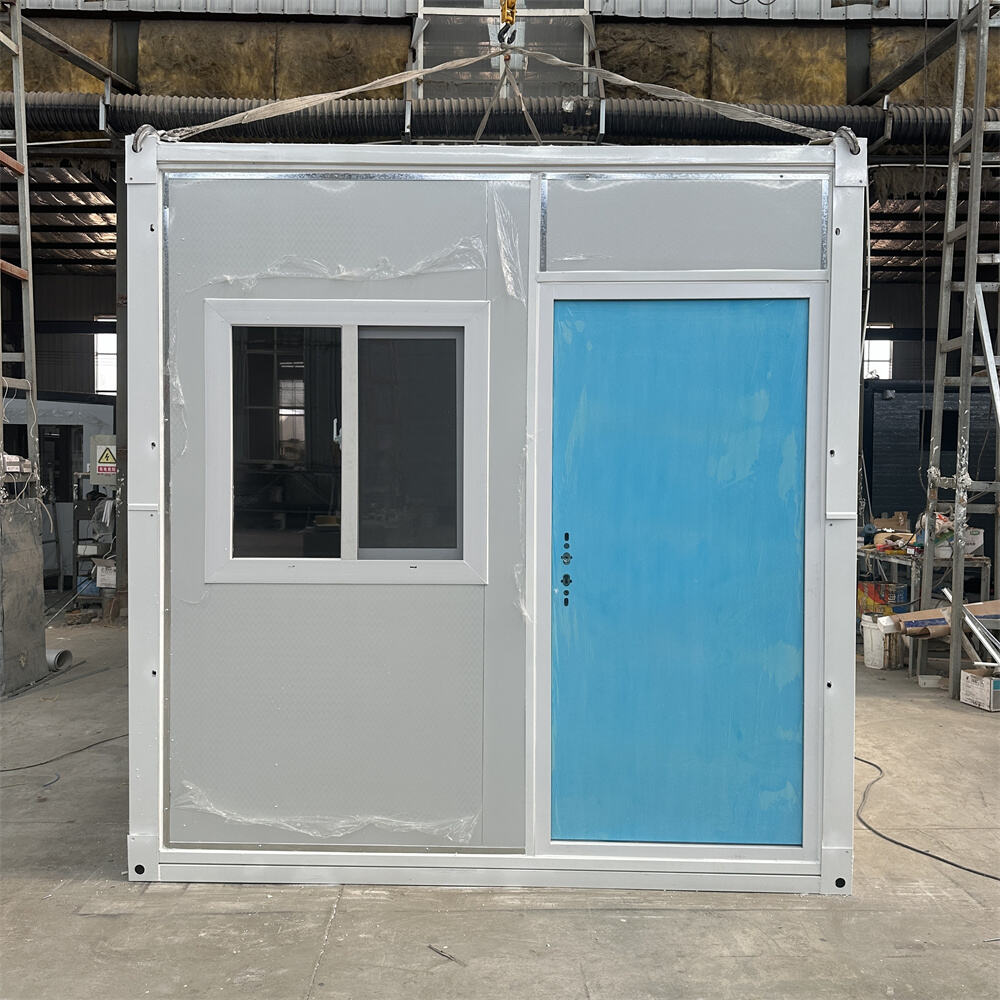
How Factory Production Accelerates Prefabricated House Construction
Principle: Assembly Line Efficiency in Controlled Factory Environments
Building prefabs takes advantage of assembly line methods that cut down on those frustrating project delays we all know too well. Inside factories, workers get really good at their specific jobs framing walls here, running pipes there, snaking wires everywhere while machines handle measurements down to the last millimeter. According to the latest construction report from 2024, this system cuts back on fixing mistakes by around three quarters when compared to regular building sites because everything gets made on these special jigs that keep things consistent. Plus, working indoors means no more waiting for rain to stop before hanging drywall or dealing with frozen concrete. Contractors love this aspect especially during winter months when outdoor projects just grind to a halt.
Case Study: Up to 50% Faster Build Times in Residential Prefab Projects
In Oregon, a new housing complex with 24 units showed just how fast prefab construction can be. As workers laid down the foundation at the actual site, another team back at the factory was already building out all those pre-inspected sections. The fact that these two processes happened at the same time meant the whole thing wrapped up in just 11 weeks, which beats traditional building techniques by almost half. What really made this possible? The factory could knock out structural parts twice as quick as what normally happens during on site framing work. Plus they caught problems right away through their continuous quality inspections, so nobody had to go back and fix things later.
Data Insight: Over 60% Reduction in Weather-Related Construction Delays
Most factory production protects around 80 to maybe even 90 percent of building work from being affected by outside weather. Looking at data from over 100 different construction projects shows something interesting too. Weather problems were responsible for just 7% of all delays when building prefab houses compared to about 22% for traditional on-site construction methods. That means modular builders experience roughly two thirds fewer weather related holdups. Working inside controlled factory settings allows materials to be ready throughout the entire year without worrying about rain damaging wooden frames or improper curing of concrete. Plus, these indoor operations cut down on seasonal worker shortages by about 40% because factory workers stay employed consistently no matter what's happening outside. The Modular Construction Industry Report from 2024 backs this up with detailed findings across multiple regions.
Side-by-Side Example: Identical Homes Built with Prefab and Conventional Methods
Looking at two similar 2,000 square foot homes built in 2023 really highlights how much faster modular construction can be. The traditionally built home took 11 long months because different trades had to work one after another and bad weather kept causing delays. Meanwhile, the prefabricated version finished in just over five months since parts were being made in the factory while workers prepared the actual building site. According to what many builders are seeing across the industry, these kinds of prefab projects generally finish anywhere from 30 to 50 percent quicker than standard construction methods. Makes sense when you think about it all working at once instead of waiting for each step to complete before moving on.
Key Differences in Project Phases: Design, Manufacturing, and On-Site Assembly
Traditional construction loses 22% of project time to inter-phase coordination gaps, whereas modular workflows optimize three critical stages:
- Design Phase: 15% longer initial planning for prefab (6 vs. 5 weeks) ensures manufacturing precision
- Production Phase: Factory assembly of modules occurs simultaneously with onsite foundation work
- Installation Phase: Crane-assisted module placement reduces final assembly to 10–21 days vs. 12+ weeks for traditional framing
This parallel workflow eliminates 68% of schedule buffers required in conventional projects, as noted in strategic scheduling comparisons.
Why Labor Downtime Is Reduced in Prefabricated House Systems
Factory-controlled environments minimize three primary sources of traditional construction delays:
- Weather impacts: Less than 60% of prefab projects experience rain/snow delays (vs. 92% in onsite builds)
- Trade sequencing: No carpenters waiting for masons to complete foundations
- Material delays: Just-in-time delivery of factory kits replaces daily onsite material coordination
Research indicates prefab systems reduce crew idle time to 8% of total project hours, compared to 23% in traditional builds, through continuous production scheduling.
Parallel Workflows: Synchronizing Offsite Manufacturing and On-Site Preparation
Principle: Simultaneous Site Foundation Work and Module Fabrication
The reason prefabricated houses get built so fast is because they do several important things at once instead of waiting for one step to finish before starting another. Traditional building methods work in straight lines from start to finish, but modular construction companies run multiple operations side by side. They prepare foundations while making the actual house parts at the same time. Industry insiders have found that this cuts out about four to six weeks of downtime that normally happens when everything has to wait its turn. What's happening behind the scenes? Factory workers are putting together walls and installing plumbing and electrical systems while construction crews on site are busy pouring concrete bases and setting up water and gas connections. This kind of synchronized effort actually shortens overall construction time by roughly 18 to 22 percent according to recent data from the Modular Building Institute in their 2023 report.
Case Study: Coordinated Logistics in a Multi-Unit Prefab Housing Development
In early 2023, a housing complex going up in Portland showed just how effective parallel building approaches can be. Factory workers assembled 40 prefabricated units complete with all their pipes and wiring while another team worked on getting the land ready for foundations at the same time. With help from those fancy GPS tracking systems everyone talks about these days, they managed to start lifting those modules into place only two days after the concrete had set properly. What did this approach achieve? The whole 127 unit complex was completed roughly three weeks ahead of schedule using traditional methods. And interestingly enough, there were almost no delays caused by bad weather during construction something that would have been common with regular onsite building techniques.
Strategy: Optimizing Supply Chain and Delivery Schedules for Speed
Three operational tactics ensure workflow synchronization:
- Just-in-time material sourcing: Bulk ordering of lumber, insulation, and fixtures for centralized factory use
- Phased delivery planning: Transporting modules only when on-site infrastructure is inspection-ready
- Buffer scheduling: Allocating 15–20% extra time for potential highway permit delays or crane availability conflicts
This structured approach reduces on-site storage needs by 60% while maintaining <72-hour response windows for design adjustments during manufacturing—a flexibility impossible in traditional builds.
Rapid On-Site Assembly Through Precision Engineering and Logistics
Streamlining Crane-Assisted Installation of Prefabricated House Modules
Modern prefabricated house systems achieve rapid installation through engineered crane protocols that align with factory production tolerances (±2mm). A 2024 construction automation study found projects using RFID-tagged modules reduced crane repositioning by 35%, enabling 50% faster structural assembly compared to conventional builds. This precision eliminates on-site measurement delays while maintaining safety margins.
Minimizing Final Assembly Time with Pre-Fitted Components
Factory-installed electrical and mechanical systems in prefabricated house modules reduce on-site labor by 60% (NIST 2022). Case studies show pre-fitted plumbing stacks and wall-to-floor connectors enable crews to complete weatherproofing in 12 hours versus 3 days for traditional builds. This integration prevents costly rework from field modifications.
Balancing Transportation Constraints with Fast Project Completion Goals
Optimized logistics planning reduces delays between factory completion and on-site assembly. A 2023 transportation analysis revealed prefab housing projects using route optimization software reduced late deliveries by 40% while maintaining <5% module damage rates. Strategic staging of components enables 85% of projects to meet accelerated timelines despite highway transport limitations.
FAQ
What are prefabricated houses?
Prefabricated houses are buildings made by manufacturing sections, or modules, offsite in a controlled factory setting. These sections are then transported to the construction site and assembled.
How much faster are prefabricated houses built compared to traditional methods?
Prefabricated houses can be completed 30% to 50% faster compared to conventional construction methods due to simultaneous offsite manufacturing and on-site assembly.
What are the main advantages of prefabricated construction?
Advantages include reduced weather-related delays, optimized labor usage, synchronized workflows, and minimal material delays through factory-controlled environments and just-in-time delivery.
Can prefabricated construction reduce costs?
Yes, prefabricated construction can reduce costs by minimizing labor downtime, errors, and delays in the construction timeline, thus making resource allocation more efficient.
Table of Contents
- How Factory Production Accelerates Prefabricated House Construction
- Side-by-Side Example: Identical Homes Built with Prefab and Conventional Methods
- Key Differences in Project Phases: Design, Manufacturing, and On-Site Assembly
- Why Labor Downtime Is Reduced in Prefabricated House Systems
- Parallel Workflows: Synchronizing Offsite Manufacturing and On-Site Preparation
- Rapid On-Site Assembly Through Precision Engineering and Logistics
- FAQ