Spain tourism engine continues to run hot. Reuters reported that the country received a record 97 million foreign tourists in 2025, with visitors spending €135 billion. At the same time, major hotel operators are signaling confidence in demand: Melia has pointed to further growth and plans significant investment while expecting resort rates to rise in 2026.
When demand rises, one challenge shows up quickly in popular destinations: capacity. More guests mean more pressure on room inventory, staff accommodation, and on-site services—often in places where conventional construction is slow, disruptive, or heavily constrained.
That’s where container homes (and container-based modular units) can play a practical role in Spain tourism and hospitality scene—especially for coastal resorts, island-style destinations, ski areas, and rural “slow travel” properties.
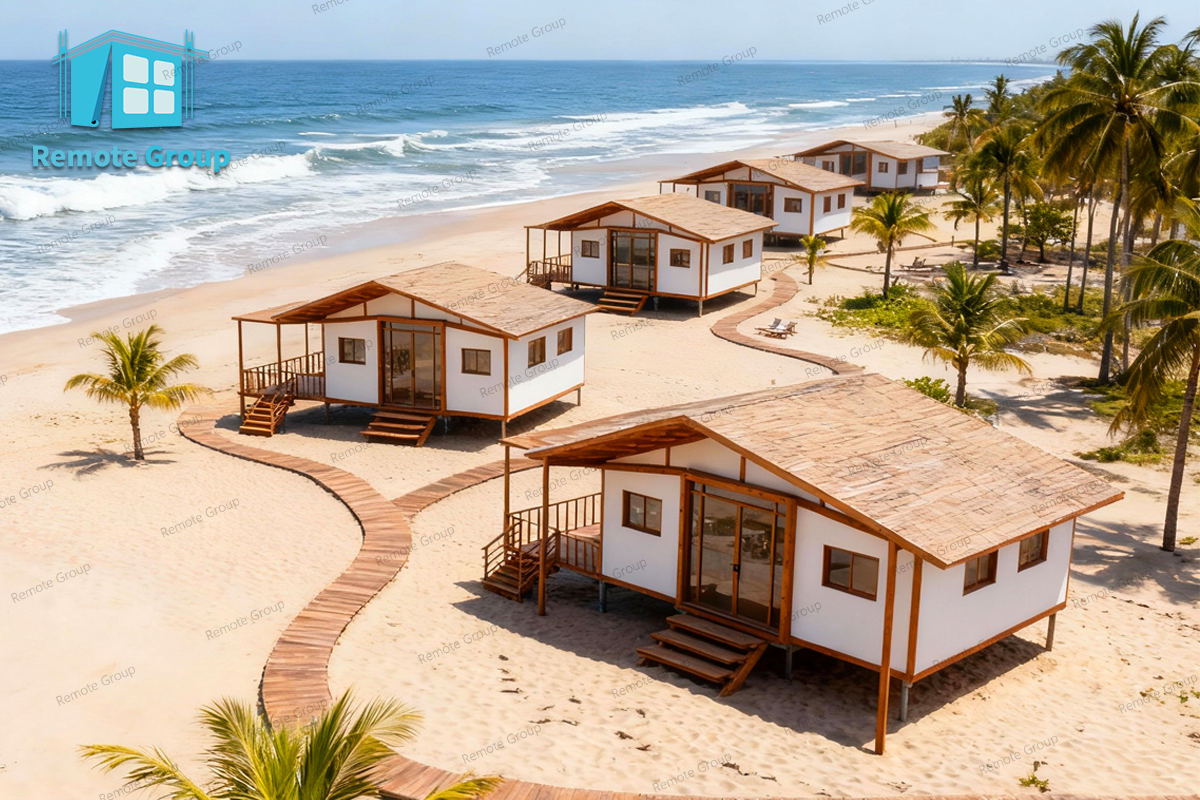
Why this scene matters: speed, flexibility, and controlled disruption
In high-season markets, time is money. A long on-site build can mean:
noise and dust during guest stays
missed peak-season revenue
labor scheduling risk
extended permitting and coordination
Container housing solutions are attractive because they can be planned as repeatable room modules (guest rooms, suites, bathrooms, service pods) and delivered in a more controlled way, helping properties scale faster and with fewer surprises.
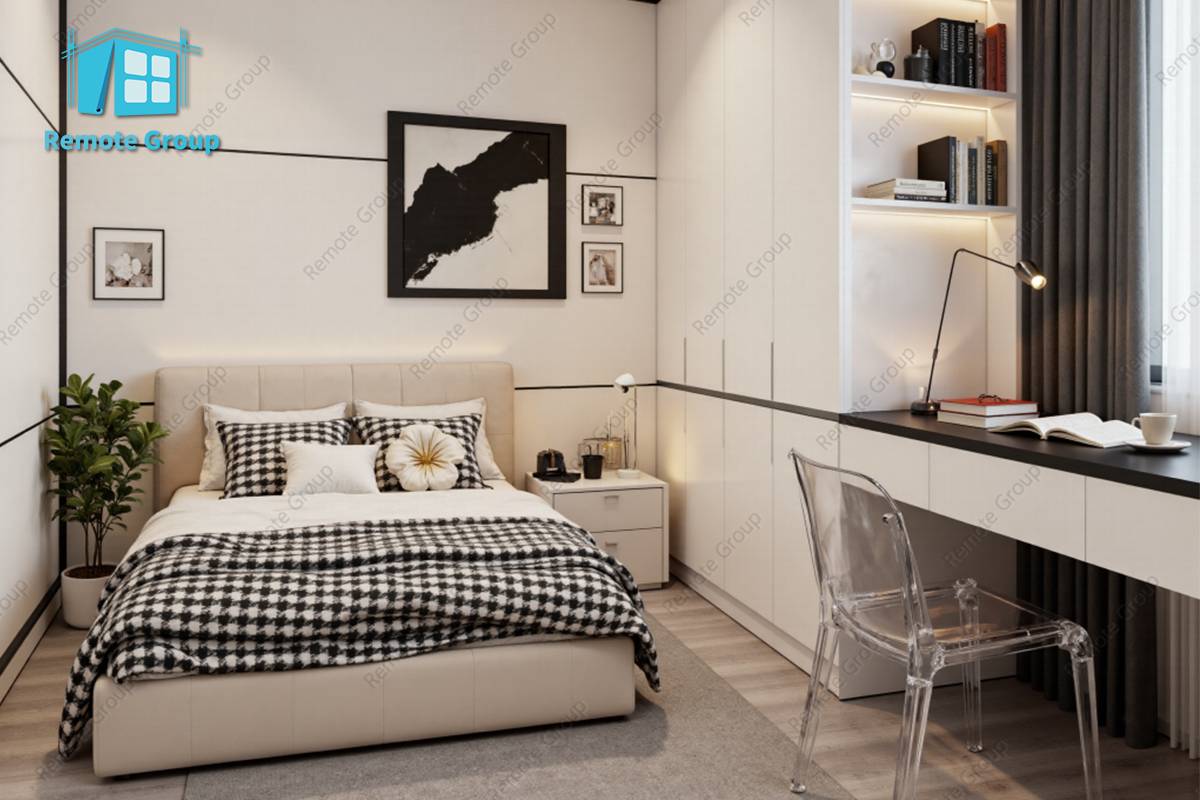

6 ways container homes can be used in Spain tourism & hospitality
Hotels and resorts can use container cabins as:
extra guest rooms
premium “view cabins”
family suites (by combining units)
extended-stay studios
This is especially useful when demand is rising quickly and the property wants to expand without a multi-year build cycle.
Tourism growth increases staffing needs—but in many destinations, staff struggle to find nearby rentals at reasonable prices. Container-based accommodation can provide:
dorm-style units
small studio rooms with bathrooms
shared living + laundry modules
It’s a direct operational benefit: shorter commutes, more stable staffing, and better peak-season readiness.
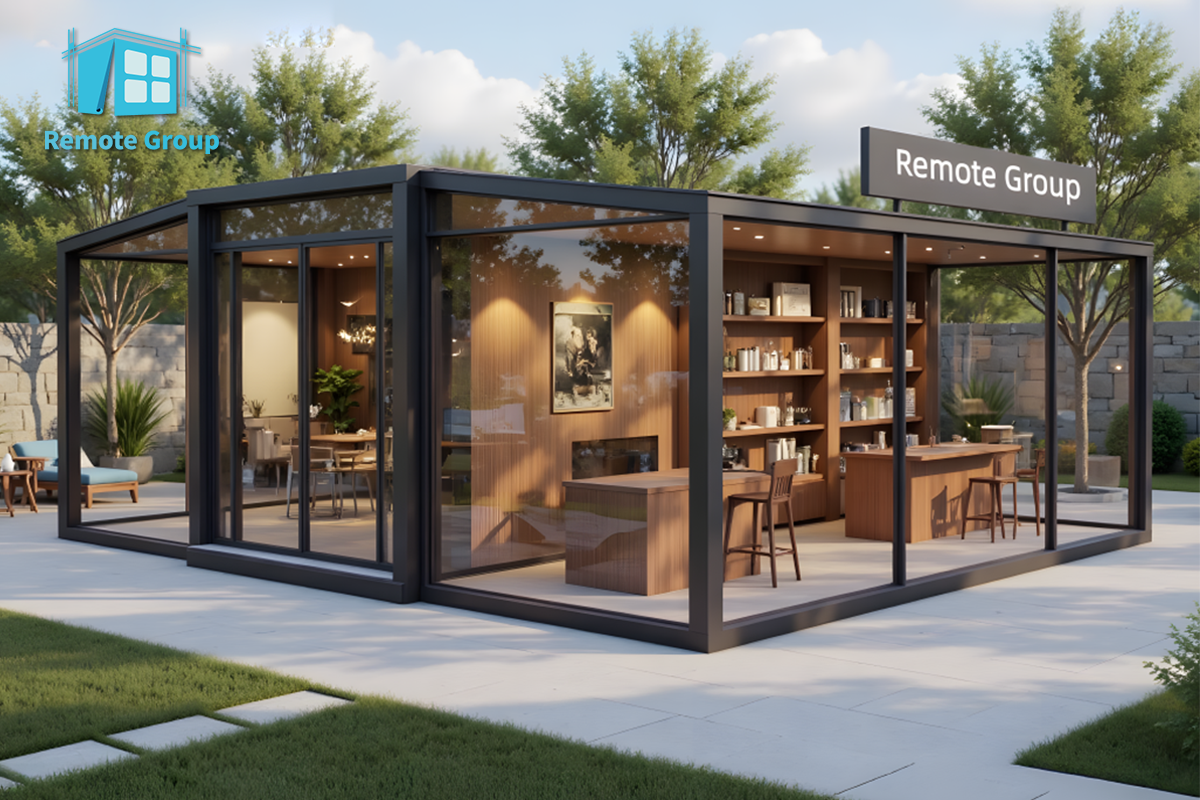
Container commercial units can be deployed as:
beach cafes
pool bars
ticketing / reception counters
souvenir shops
seasonal snack kiosks
They’re also easy to brand visually—important for locations competing on experience and social-media appeal.
Spain hosts many seasonal events (music, sports, regional festivals). Container lodging clusters can support:
temporary guest stays
VIP lounges
media/production offices
medical/first-aid rooms
The key advantage is a scalability, modular layout that can be planned like “building blocks.”
In countryside destinations, guests increasingly seek privacy, design, and comfort—without large-scale development. Container cabins can be positioned as:
minimalist design stays
Luxury Camping style suites with bathrooms
small “remote work” retreats
When paired with good insulation, ventilation, and thoughtful interiors, container cabins can deliver a strong hospitality product in a compact footprint.
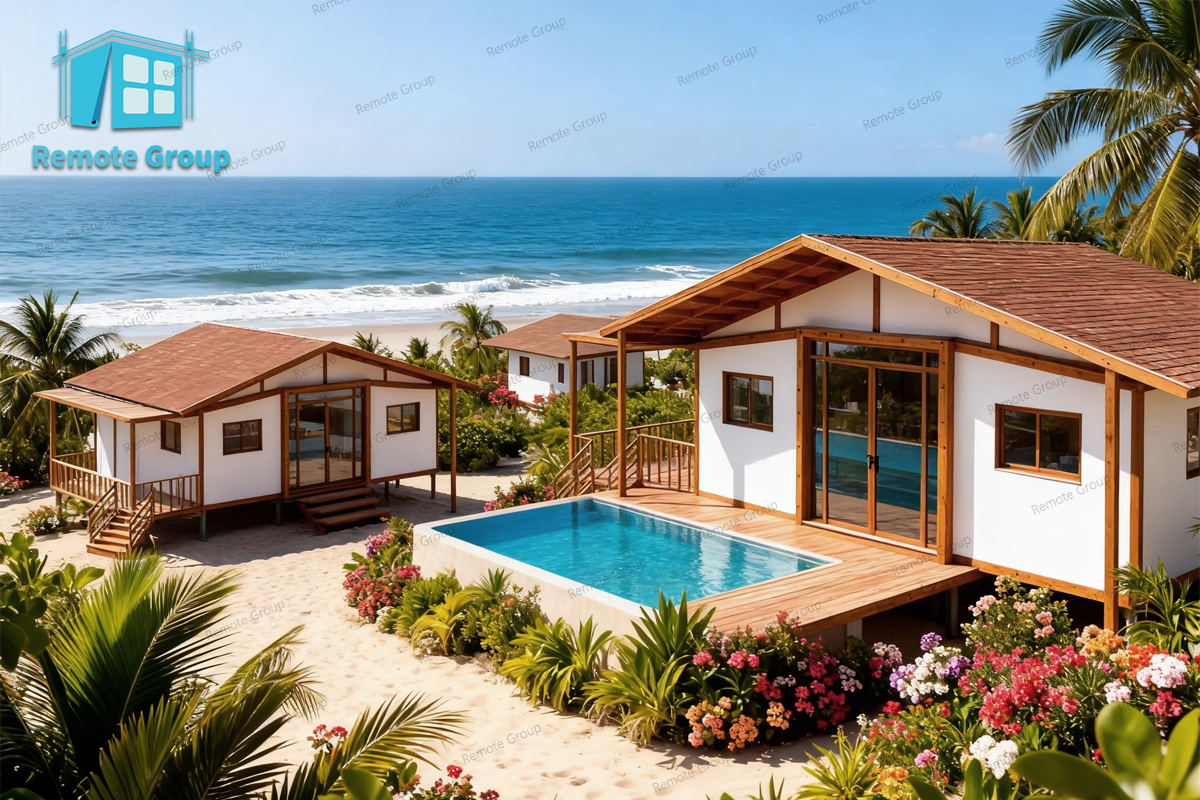
While tourism is the headline, Spain also faces climate-related disruption risks. The ability to deploy temporary housing quickly is increasingly relevant, and Spain has publicly funded temporary accommodation measures in disaster recovery contexts.
For tourism operators, “resilience” can mean having a plan to restore accommodation capacity or staff facilities after localized events.
A realistic “news-case” example scenario (illustrative)
A mid-size coastal resort planning to increase capacity for the next high season:
The resort needs 12 additional guest rooms plus 6 staff rooms.
Traditional construction would disrupt operations and risk missing the peak window.
The property chooses container-based guest cabins and staff units designed as standardized modules.
Units are produced off-site, then delivered and installed in phases to keep the resort running.
This kind of phased deployment is where container solutions tend to perform best: repeatable layouts, controlled scheduling, and minimal site chaos.
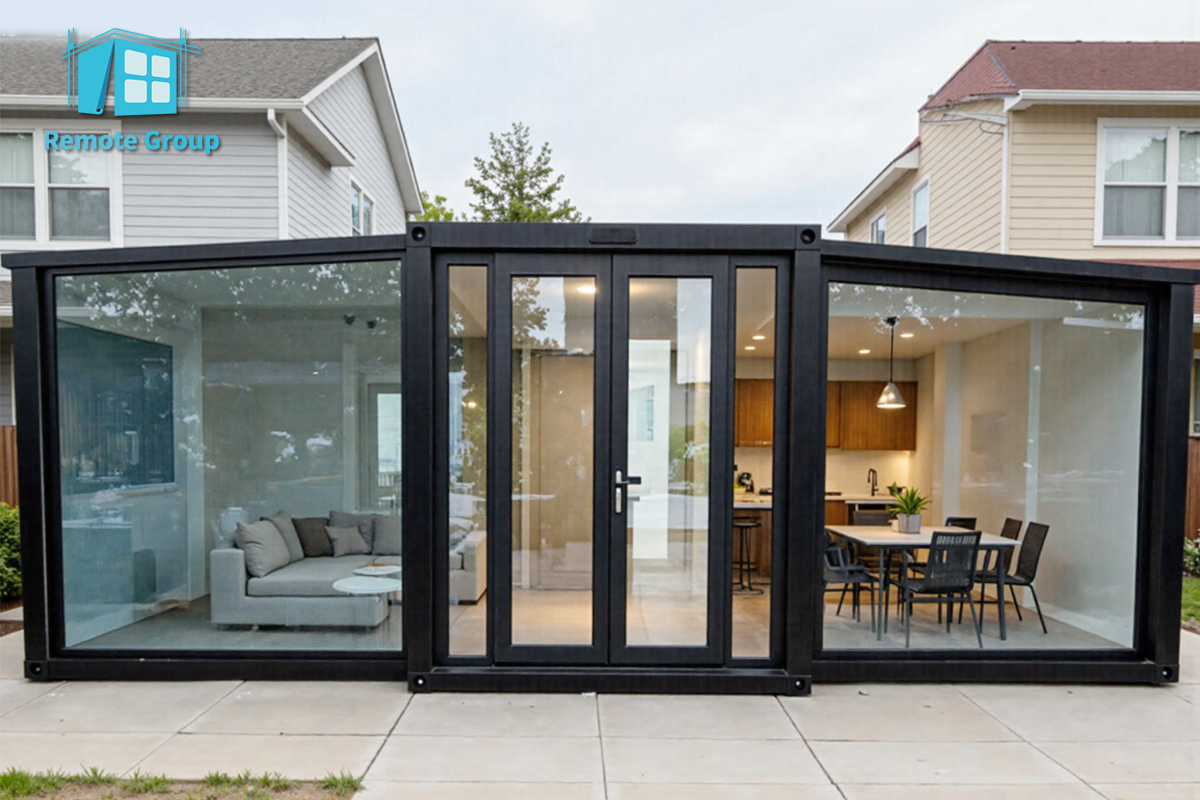
Container housing can be a strong fit—but success depends on getting the fundamentals right:
Permitting & land-use compliance: local rules vary widely by municipality and zone.
Thermal comfort: Spain has diverse climates; insulation, solar control, and HVAC matter.
Corrosion protection: coastal environments require robust coating and detailing.
Utilities & foundations: define water, sewer/septic, electrical, and anchoring early.
Guest experience: noise control, bathroom quality, and finishes drive reviews.
Spain is also pushing broader “industrialized construction” to speed delivery of housing, reflecting how seriously speed and supply constraints are being taken at a national level. That same logic—building faster with factory methods—translates well to hospitality expansion.
In Spain tourism and hospitality scene, container homes can serve as fast, flexible, and brandable space solutions—from guest rooms and staff housing to pop-up cafes and event facilities. With visitor numbers and spending hitting record levels, operators who can expand capacity with less disruption gain a practical edge.

 EN
EN