Across the United States, housing affordability remains a headline issue—and it’s reshaping what people consider a “normal” home. As prices stay elevated and many buyers struggle to save for a down payment, more Americans are exploring alternative housing models that can be built faster, placed more flexibly, and customized to different budgets. One of the biggest winners in this shift: shipping container homes and other modular, off-site-built housing solutions.
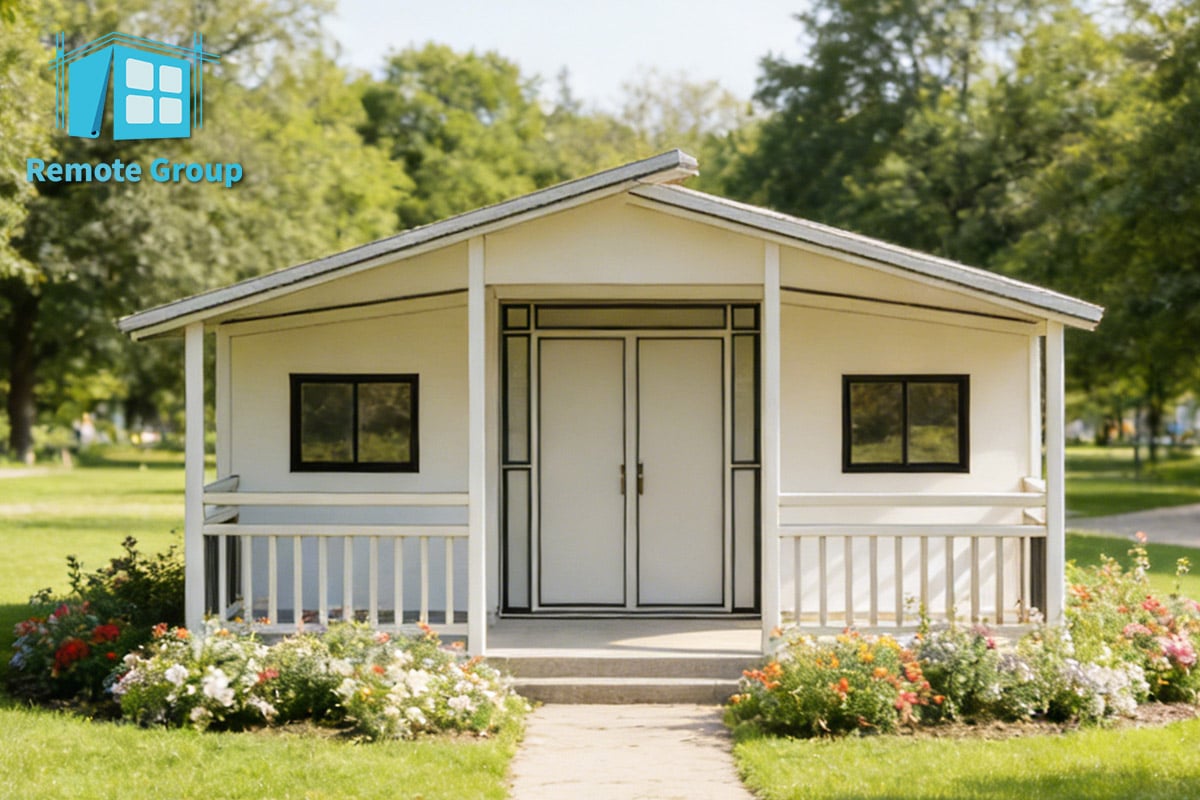
This isn’t just a social-media trend. The popularity of container homes is rising because they directly answer several real-world U.S. pain points: cost uncertainty, slow construction timelines, limited housing supply, and changing zoning rules—especially around backyard housing and accessory units.
Below are the key reasons container housing is gaining momentum in the American market, and what buyers should know before starting a project.
1) The affordability gap is pushing buyers toward alternatives
Traditional home ownership has become harder for many households—especially first-time buyers. Recent analysis has shown that the average household still needs years to save for a typical down payment, even after some improvement versus the peak pressures of the early 2020s.
At the same time, broader affordability constraints persist because prices remain high and housing supply is still tight. Harvard’s Joint Center for Housing Studies has emphasized that even when interest rates ease somewhat, high home prices remain a major barrier to affordability.
Why this matters for container homes:
Container projects are increasingly viewed as a way to get a smaller, simpler, more budget-controlled home—especially when the alternative is waiting years or taking on a much larger mortgage.
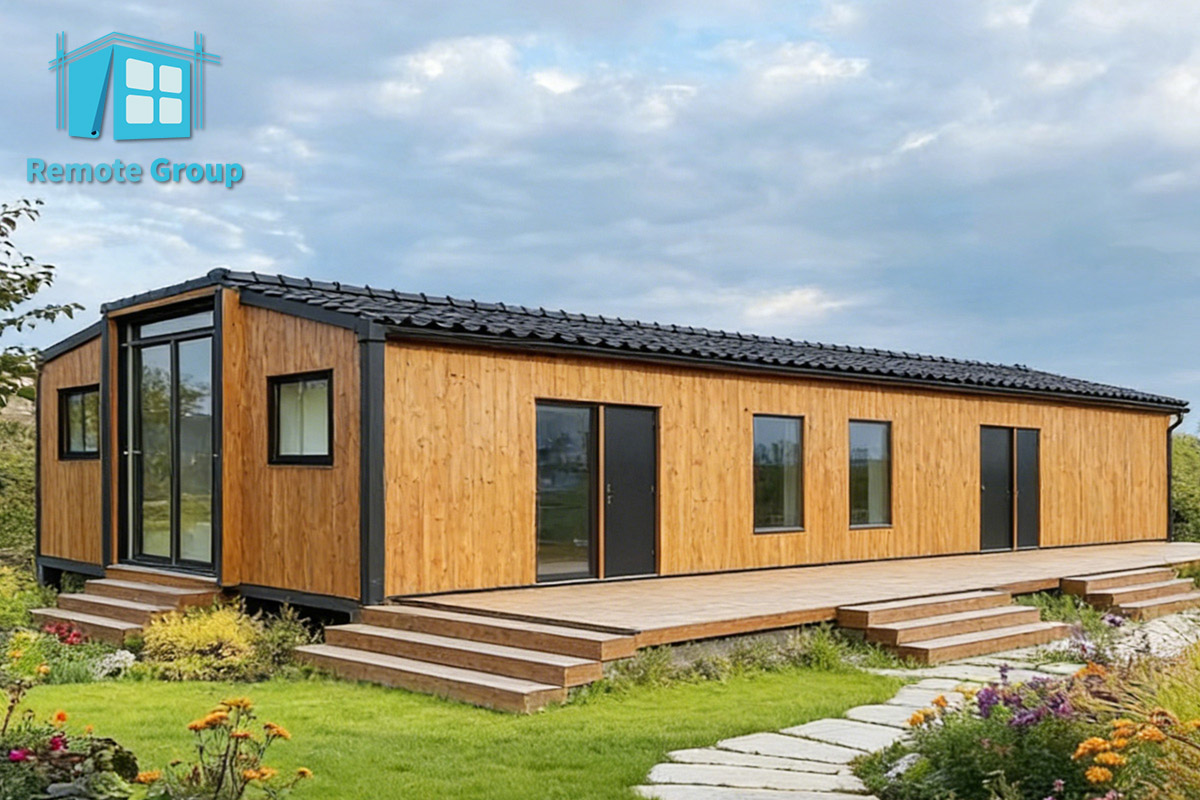
2) Faster timelines: off-site construction fits today’s urgency
Americans are used to fast delivery in nearly every part of life—except housing. Conventional builds can take months (or longer) due to labor availability, weather, scheduling, and onsite complexity.
That’s why off-site construction is expanding in the U.S. overall. Industry analysis from the Modular Building Institute points to continued growth in modular construction activity and forecasts further expansion over the coming years.
Why container homes benefit:
Container-based units often fit naturally into off-site workflows: structural shell + insulation + MEP (electrical/plumbing) + interior finishing can be planned in a more standardized way, then delivered for onsite placement and connection.
3) ADU and “backyard housing” are changing the market
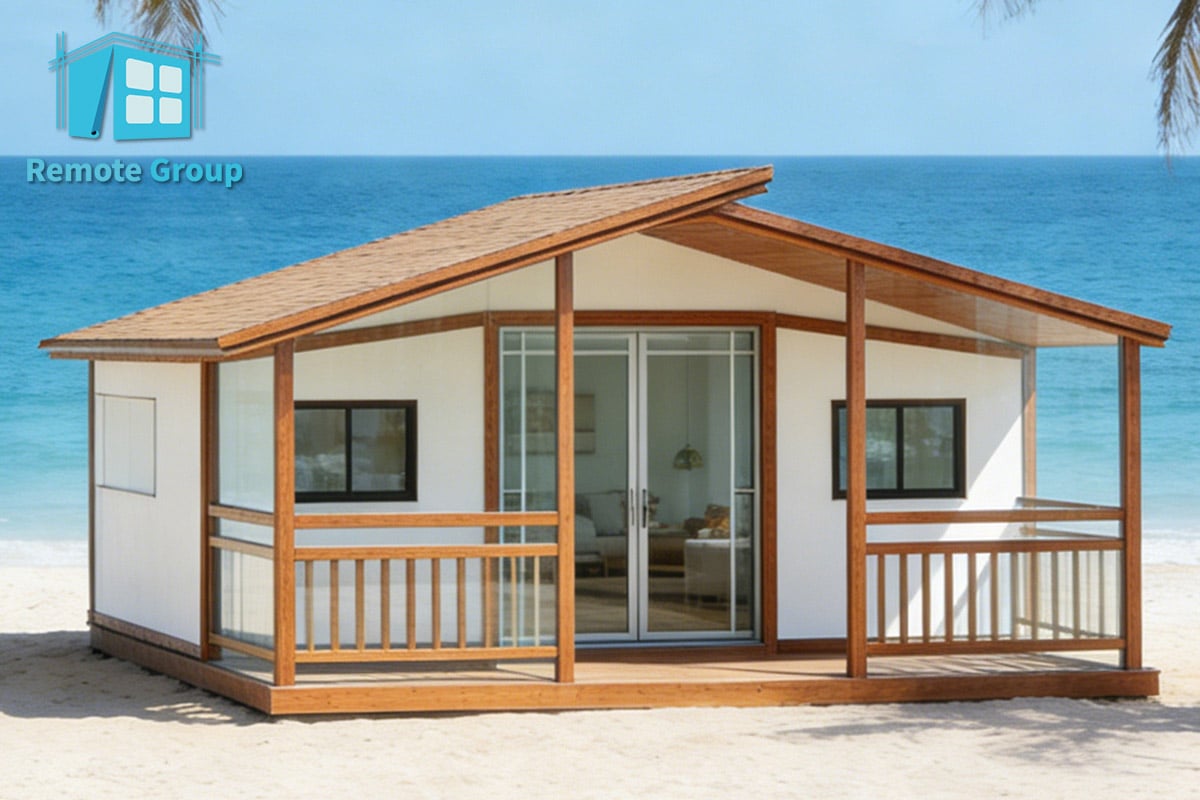
A major driver behind compact, movable, and modular housing in the U.S. is the rise of ADUs (Accessory Dwelling Units)—small secondary homes built on the same lot as a primary home (often for rental income, multi generational living, or guest space).
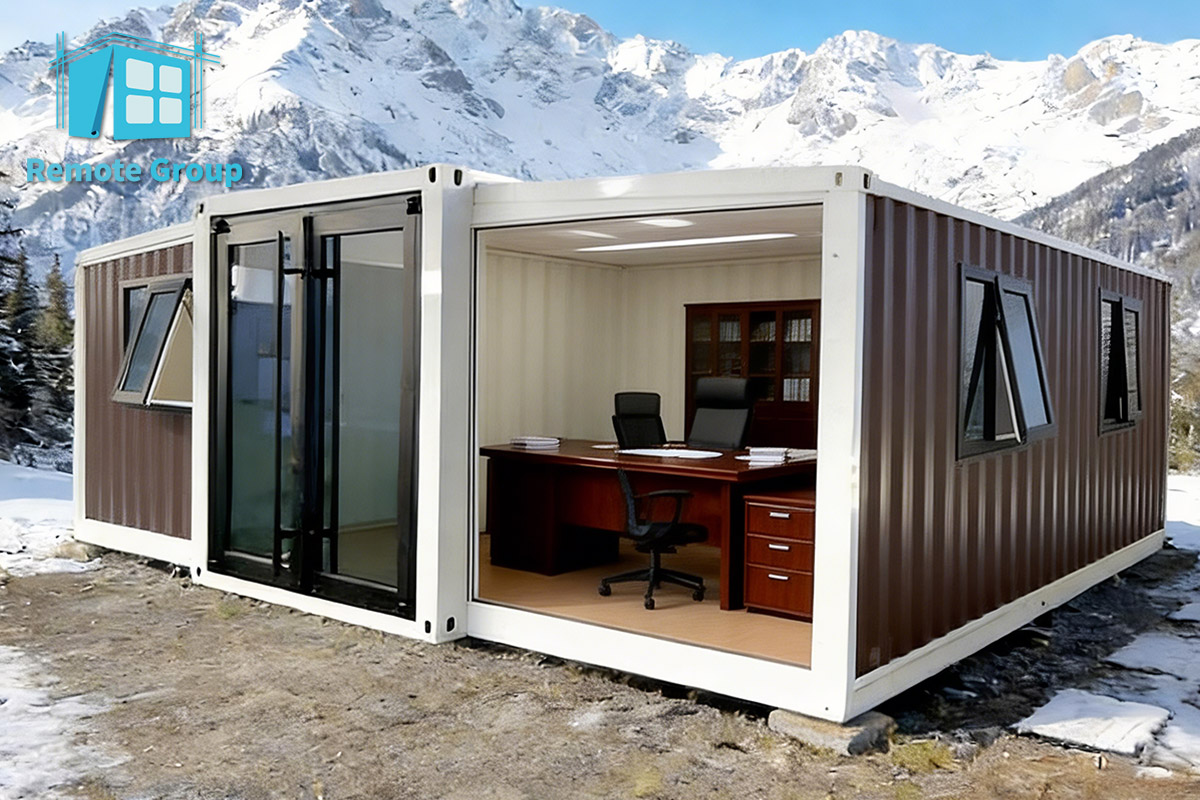
California is one of the most influential signals in the national market. The state’s ADU rules have been revised repeatedly to reduce barriers, with changes effective across multiple years, including January 1, 2023, 2024, and 2025, according to California’s ADU handbook update.
Why container homes fit the ADU trend:
Even outside California, the “add one more small unit” mindset is spreading—pushing buyers to solutions that can be permitted, built, and installed with fewer surprises.
4) Predictability: buyers want clearer budgets and less waste
One reason Americans like factory-built and modular products is cost transparency. In traditional construction, change orders, delays, and onsite surprises can blow up budgets quickly.
Container housing is not automatically “cheap,” but it can be easier to control scope because:
This is also where “news-case” stories happen: many buyers start from a simple goal—“I need an office/ADU/rental unit within X months”—and end up choosing container housing because it feels more manageable than a full traditional build.
5) Sustainability and reuse resonate with modern buyers
For many U.S. consumers, sustainability is no longer a niche preference. Reuse, recycling, and lower construction waste are increasingly part of purchase decisions.
Container homes are often marketed around:
It’s important to be honest here: sustainable outcomes depend on design choices (insulation type, HVAC efficiency, transport distance, local code compliance). But the story of reuse + compact living is powerful—and it matches what many modern buyers want.
6) Lifestyle shifts: remote work, flexible living, and land utilization
Another reason container housing is gaining popularity is how Americans live now:
Container solutions can serve as:
In other words, container housing isn’t only competing with “houses”—it’s competing with renting, renovating, and waiting.
What buyers should watch out for in the U.S. market
Even as demand rises, container housing still faces practical hurdles. A good news article should be realistic about these:
Permitting and code compliance
Local rules vary dramatically by city and county. Key questions include:
Is the unit treated as a manufactured home, modular home, ADU, or site-built structure?
Which codes apply (IRC, local amendments, energy code requirements)?
What foundation type is required?
Insulation and climate performance
Hot, humid, cold, coastal—U.S. climate zones demand different wall assemblies, vapor control strategies, and HVAC choices.
Transport and site access
Delivery constraints (turn radius, overhead wires, narrow roads) can affect feasibility and cost.
Financing and insurance
Some lenders and insurers are more comfortable with standardized modular systems than fully custom one-off builds. Buyers should plan early.
Conclusion
Container homes are becoming more popular in the United States because they align with today’s reality: affordability pressure, the desire for speed, the growth of ADU, and the need for flexible space. With housing markets still strained and many households priced out of traditional options, alternative construction is moving from “interesting idea” to “practical plan.”

 EN
EN